Instead of a day by day diary, this guide is focused on the cities themselves architecture, wildlife, and photographic experiences that defined my time traveling through China. From the futuristic, neon-skylines of Shanghai and Chongqing to the majesty of Beijing, the ancient Xi’an, the serene bamboo groves of Chengdu, and the mist-shrouded granite spires of Mount Huangshan, each stop offered something completely unique.
Shanghai: Futuristic Skylines and Urban Sanctuaries
Shanghai is a fast-paced megacity of over 25 million people. The scale of the city hits you immediately huge crowds, towering commercial centers, and an electric hum of activity. While the weather during my visit was predominantly overcast, Shanghai’s visual contrast between 1920s heritage and cutting-edge 21st-century engineering makes it an absolute playground for architecture and street photography.
Century Park (世纪公园): Urban Birding
When you need to step away from the hectic pace of Shanghai, Century Park in Pudong is the great green sanctuary. It is remarkably peaceful public park where locals gather in the early mornings for yoga, tai chi, and quiet walks.
For wildlife photographers, it offers world-class urban birding:
The Highlights
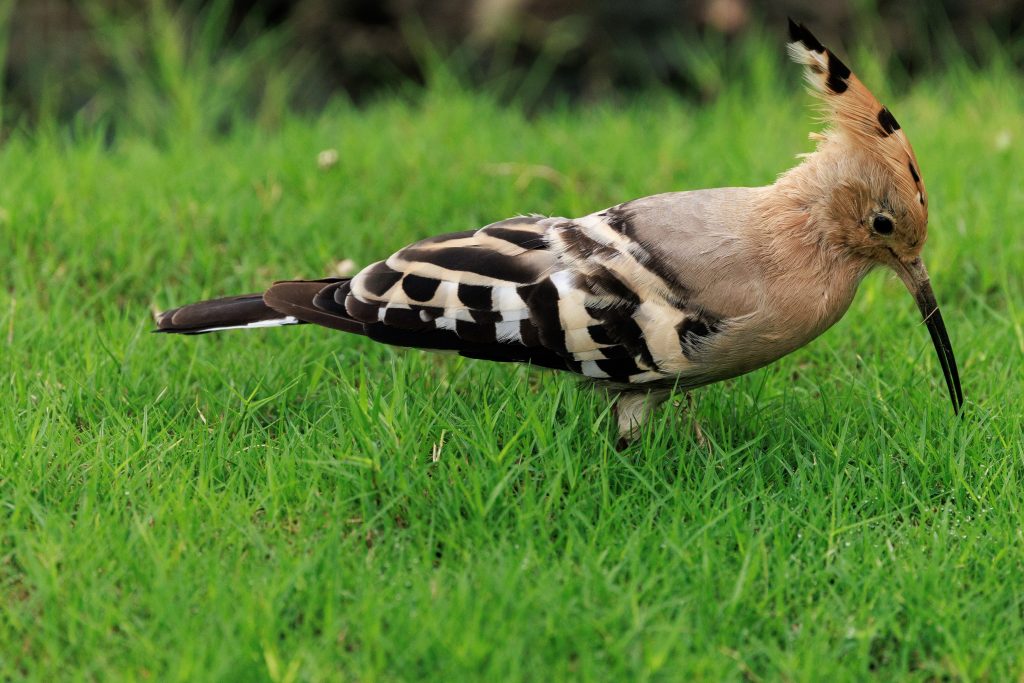
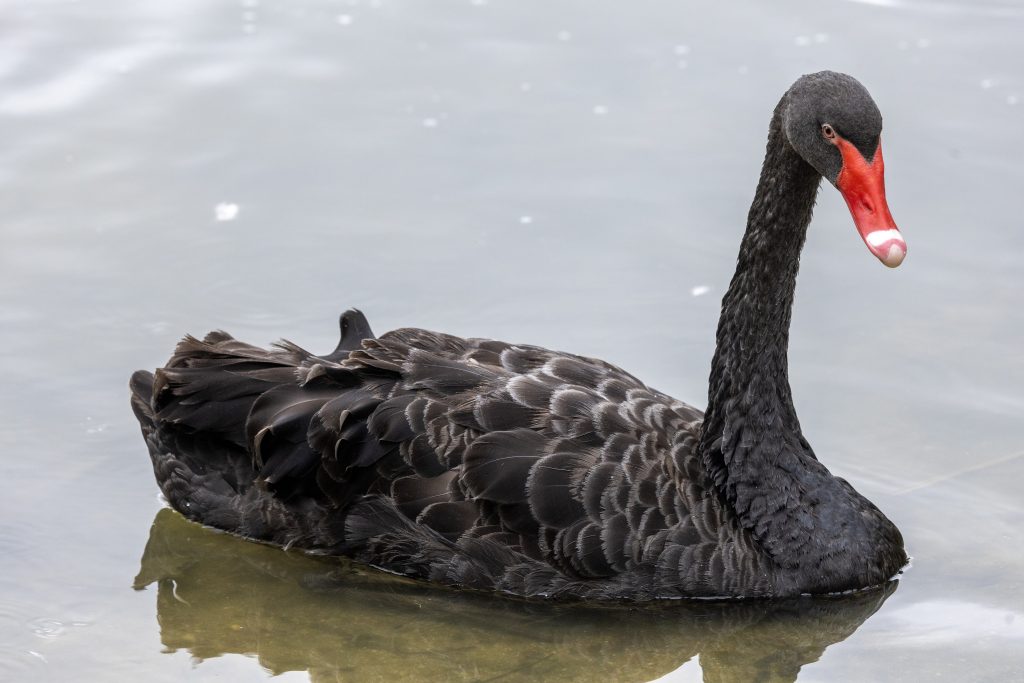
Entering by Mirror Lake, the very first sight was a pair of Black Swans (Cygnus atratus) swimming across the water. But the undisputed highlight was an unexpected encounter with an Eurasian Hoopoe (Upupa epops) foraging along the manicured lawn with its distinctive erectile crest, black-and-white zebra-striped wings, and slender curved beak, it was an absolute treat to capture on camera.
Cost & Logistics
Free entry. Take Metro Line 2 directly to Century Park Station (Exit 5). Highly recommended if you want to putter around with a telephoto lens without feeling rushed.
The Bund (外滩) and the 2 RMB River Ferry
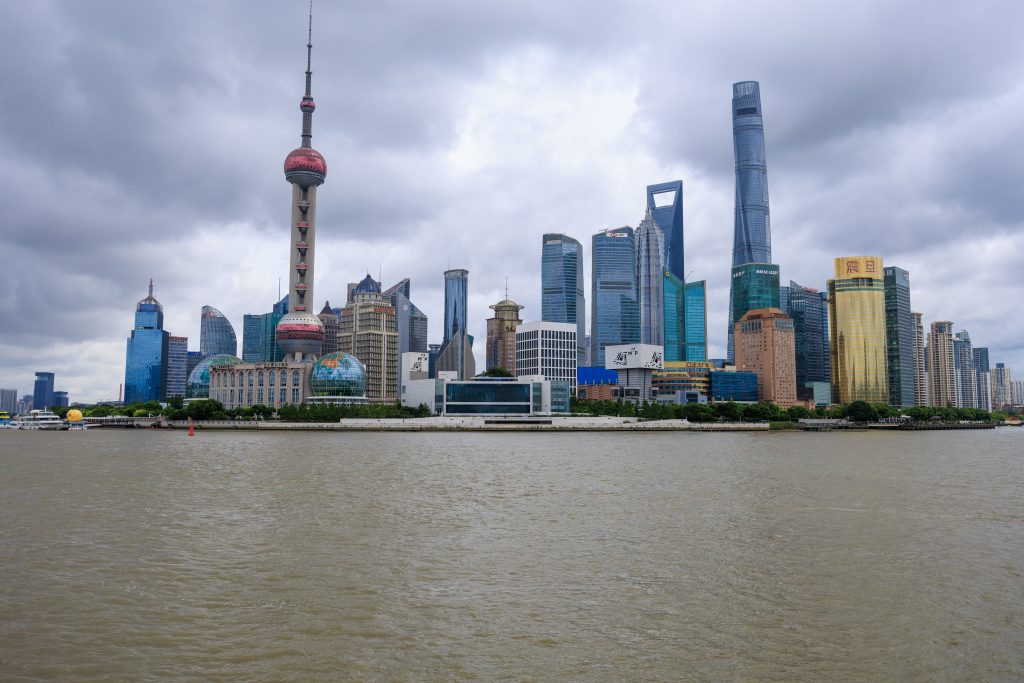
The waterfront promenade along the Huangpu River is one of China’s most famous vistas. The Puxi side is lined with grand European neoclassical and Art Deco banks dating back to the 1920s, looking directly across the water to the futuristic, sci-fi skyline of Lujiazui.
The 2 RMB Transit Hack
While most tourists queue for the overpriced underground sightseeing tunnel, you can catch the local Huangpu River Ferry (东金线 – Dongjin Line) from Jinling East Road Ferry Pier for just 2 RMB (~£0.22 GBP). It is a scenic 5-minute crossing that puts you right on the water, offering fantastic low-angle perspectives of the Pudong financial towers before dropping you at the foot of Lujiazui.
Shanghai Tower (上海中心大厦)
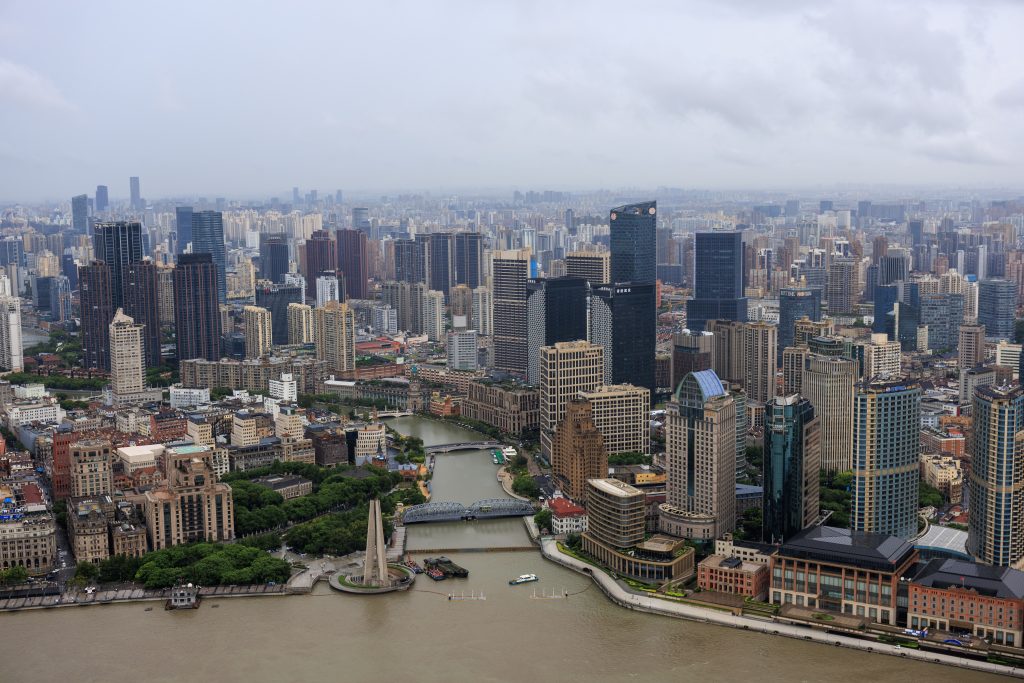
Standing 632 meters (2,073 ft) tall, Shanghai Tower is the third-tallest building in the world and the tallest in China. Going to the top of a city’s tallest skyscraper is always one of my favorite things to do—it gives you a true sense of scale that you simply cannot appreciate from the ground.
The Experience
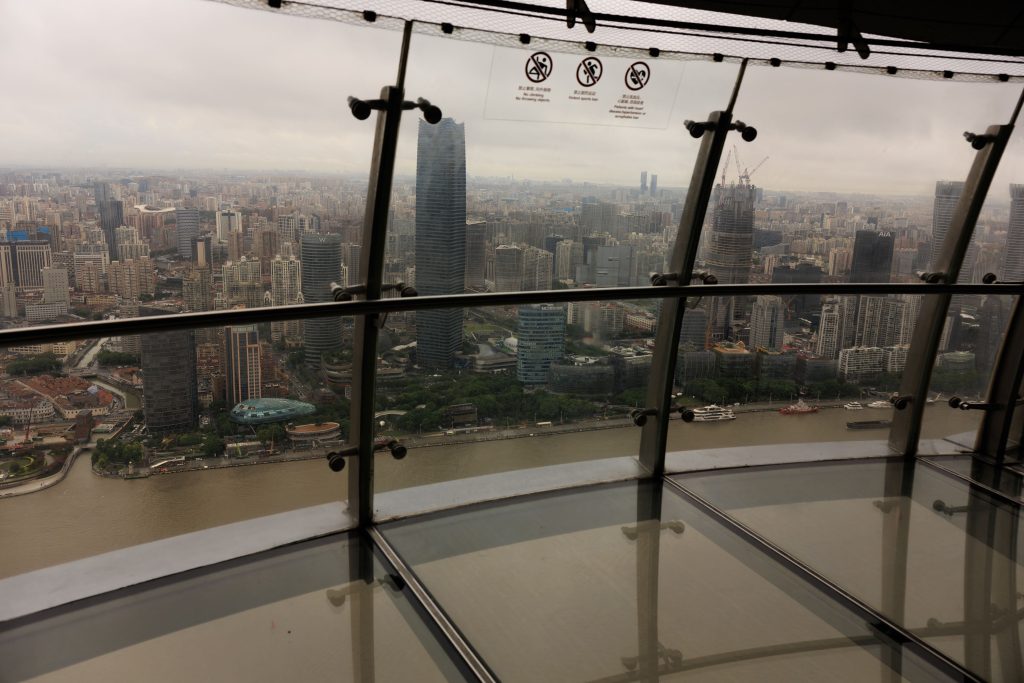
The ultra-high-speed elevator whisks you to the Top of Shanghai observation deck on the 118th floor (546m) in 55 seconds. The deck offers an unobstructed 360° panorama looking down on the iconic “Bottle Opener” (Shanghai World Financial Center) and Jin Mao Tower far below.
Cost
~180 RMB (~£20.00 GBP).
Yu Garden (豫园) & Yuyuan Bazaar
Originally laid out in 1559 during the Ming Dynasty by an imperial official, Yu Garden is an labyrinth of rockeries, koi ponds, classical pavilions, and zigzag bridges (Jiuqu Bridge).
Night Atmosphere
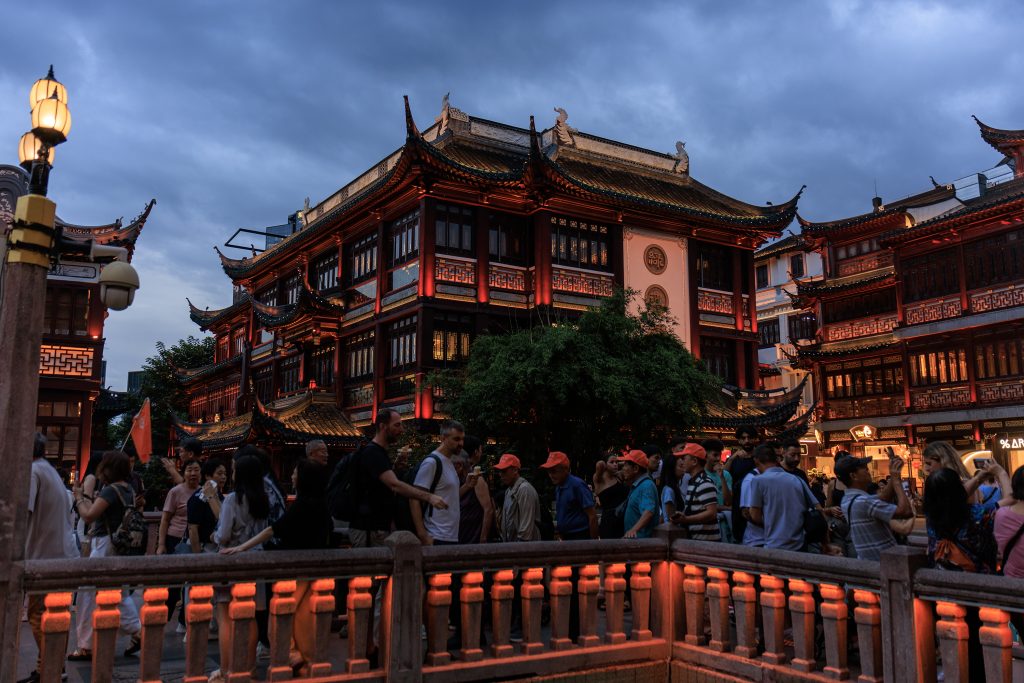
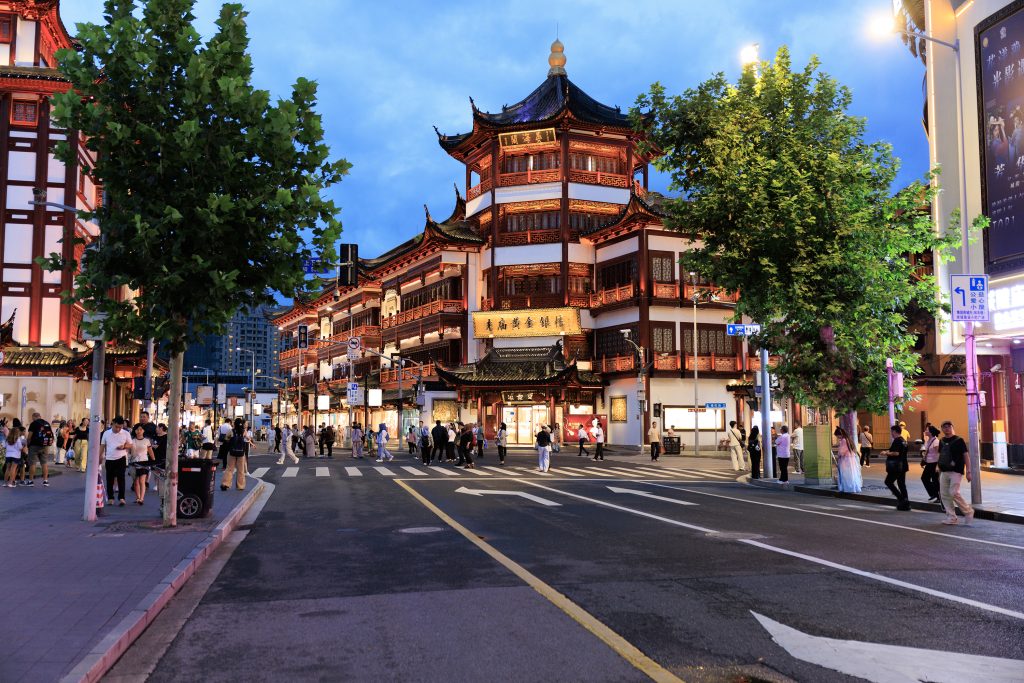
While the garden itself closes in the late afternoon (~40 RMB), the surrounding Yuyuan Bazaar truly comes alive after dark. The traditional Qing-dynasty-style timber buildings with soaring, upturned eaves are illuminated in brilliant golden lights, creating an energetic street market atmosphere packed with local snack vendors and tea shops.
Beijing
Beijing carries an entirely different gravitas. As the political and cultural capital for over eight centuries, its broad boulevards, rigid north-south grid, and colossal imperial monuments make you feel the weight of Chinese history at every turn.
Jinshanling Great Wall (金山岭长城): The Photographer’s Section
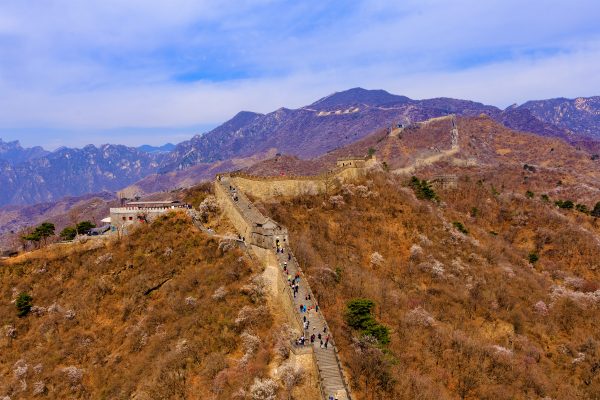
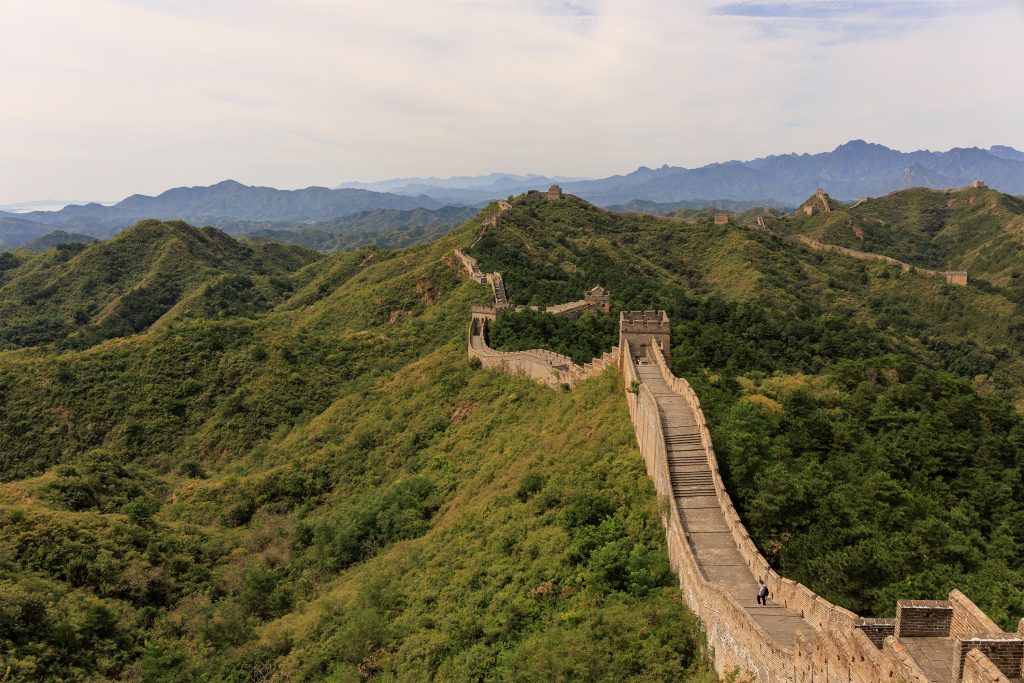
If you want to experience the Great Wall of China without being shoulder-to-shoulder with tour groups, Jinshanling (situated ~140 km northeast of central Beijing) is without question the best section to visit.
The Reality
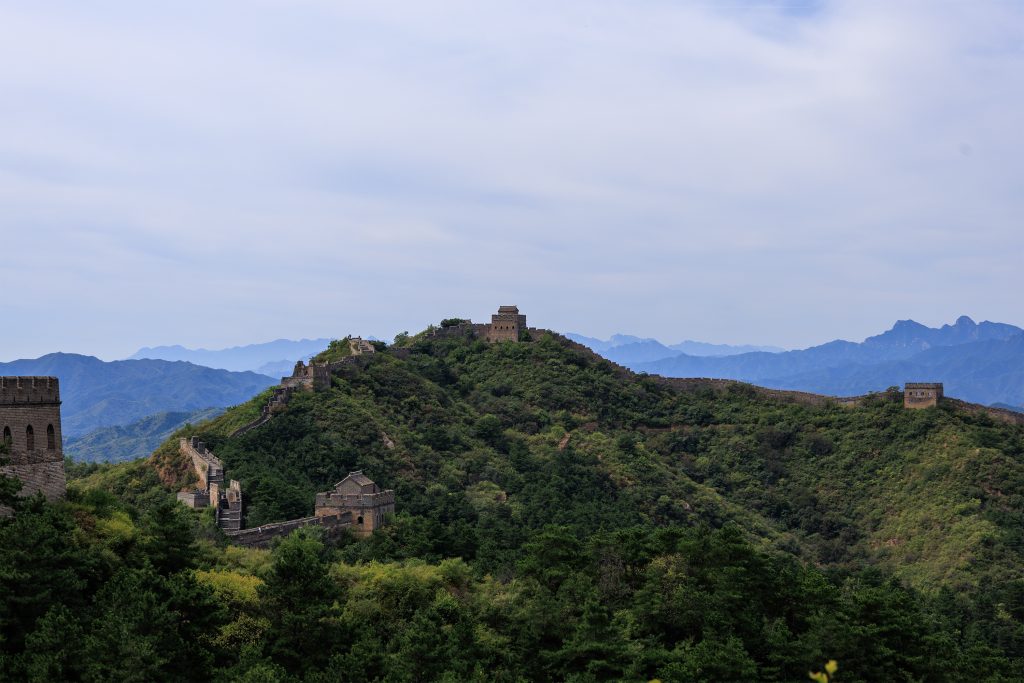
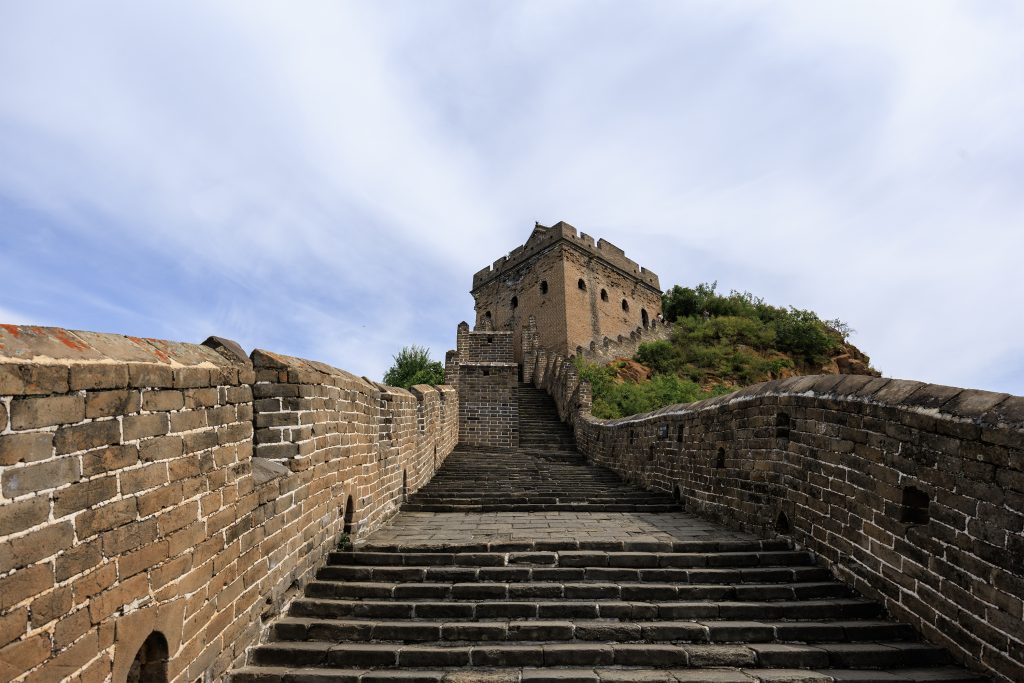
Unlike the overly restored and heavily crowded Badaling section, Jinshanling preserves both beautifully restored Ming watchtowers and rugged, wild masonry that undulates along razor-thin mountain ridges. Visiting on a weekday, the trails were virtually deserted, allowing for clean, atmospheric landscape compositions without crowds in the frame.
Fitness Note
The stone staircases and mountain ridges are increadible steep and physically demanding. Fortunately, an enclosed cableway (~40 RMB) takes you directly from the valley up to the main ridge crest near Xiaojinshan Tower, saving substantial legwork.
Cost
Entry ~65 RMB (~£7.20 GBP) + Cable Car ~40 RMB (~£4.40 GBP).
Beijing Zoo (北京动物园): Waterfowl Haven and Pandas
Established in 1906 during the late Qing Dynasty, Beijing Zoo is one of China’s oldest zoological gardens.
The Honest Picture
As an older institution, many of the traditional mammalian enclosures are cramped and dated. However, the zoo’s standout feature for animal lovers and birders is its vast, sprawling Waterfowl Lake.
Avian Highlights
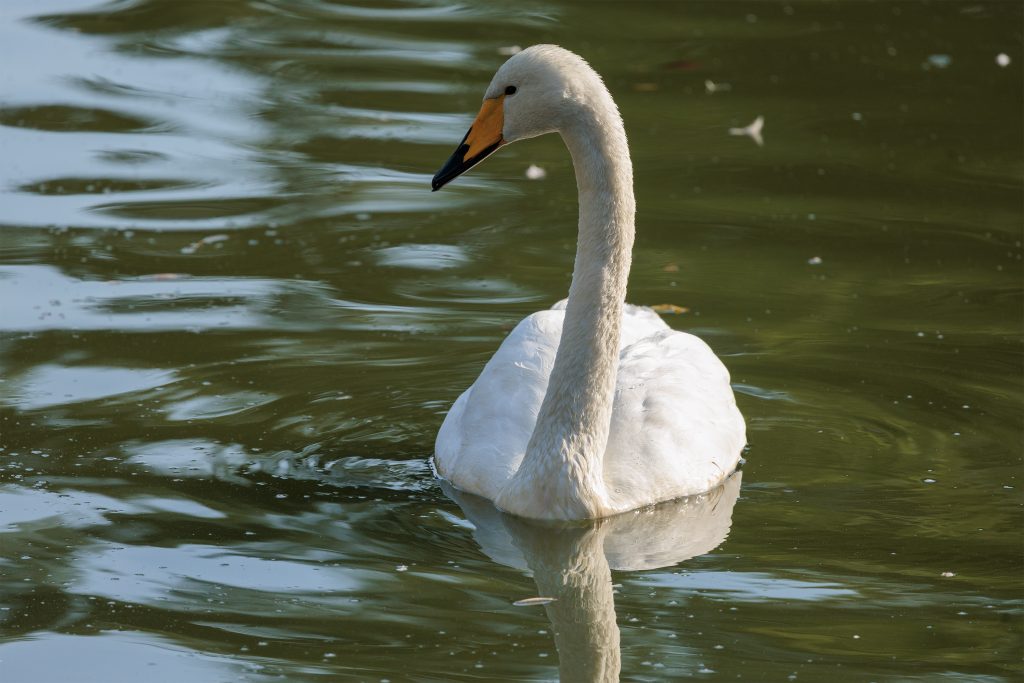
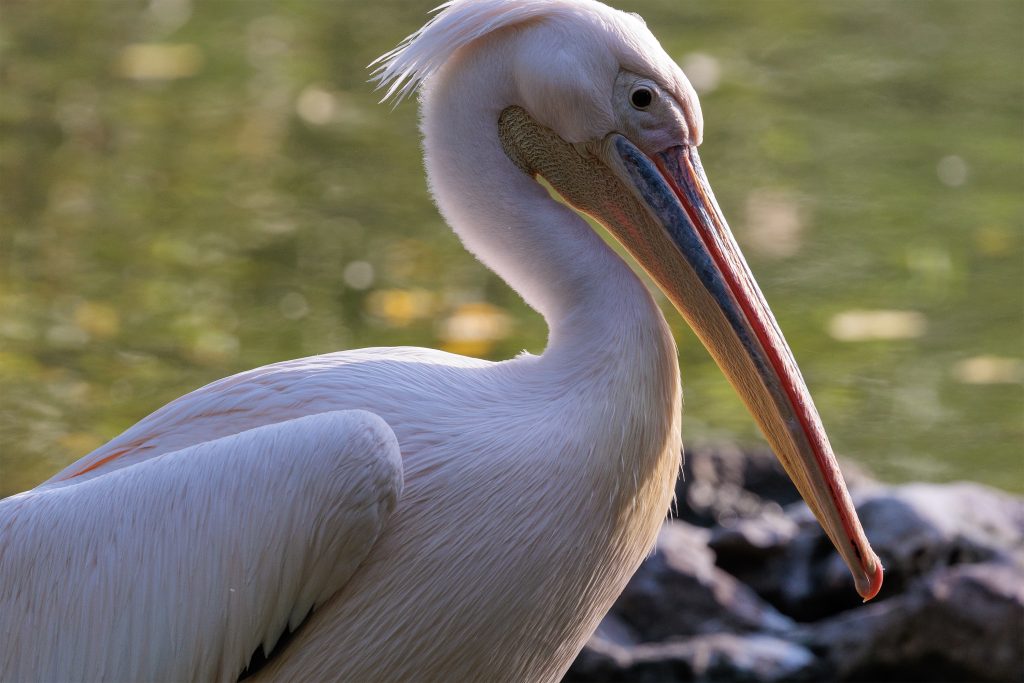
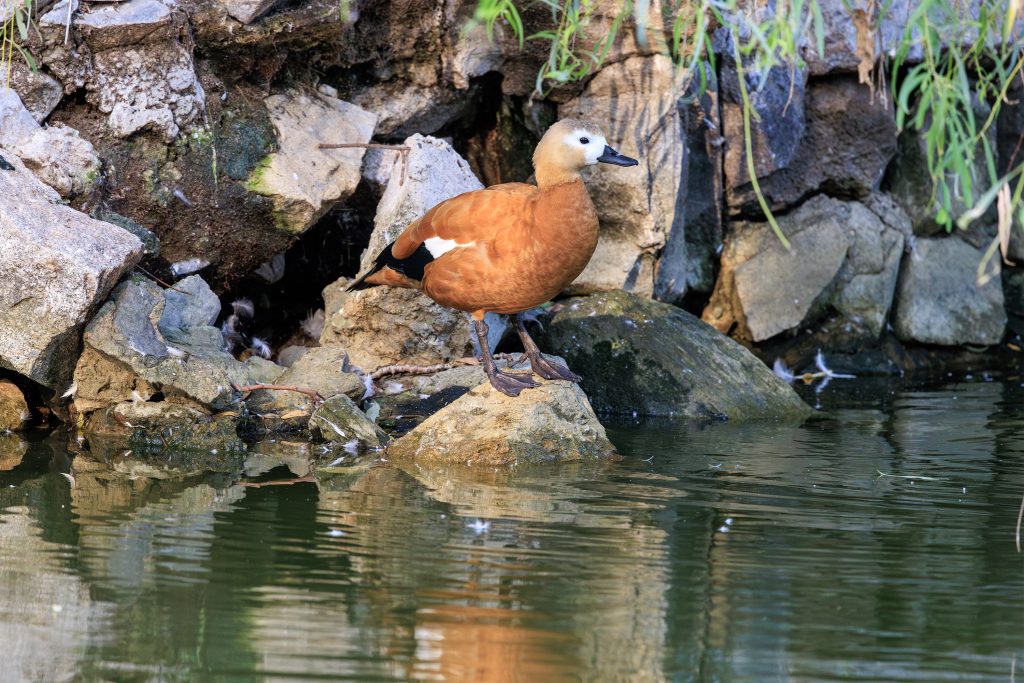
The lake attracts a fascinating combination of captive and wild species thriving in open water: Black Swans, Whooper Swans, Bar-headed Geese (Anser indicus), Black-crowned Night Herons, and Great White Pelicans. The Giant Panda Pavilion is also located here, offering reliable views of China’s national treasure feeding on bamboo stalks.
Cost
Combo ticket (Zoo + Panda House) ~19 RMB (~£2.10 GBP).
The Summer Palace (颐和园)
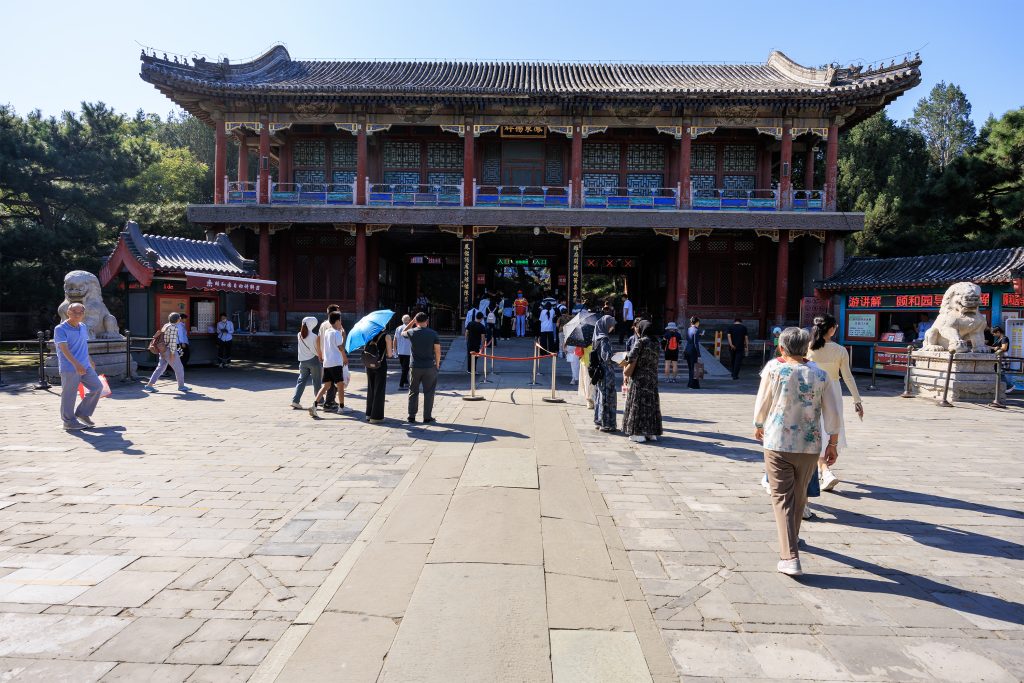
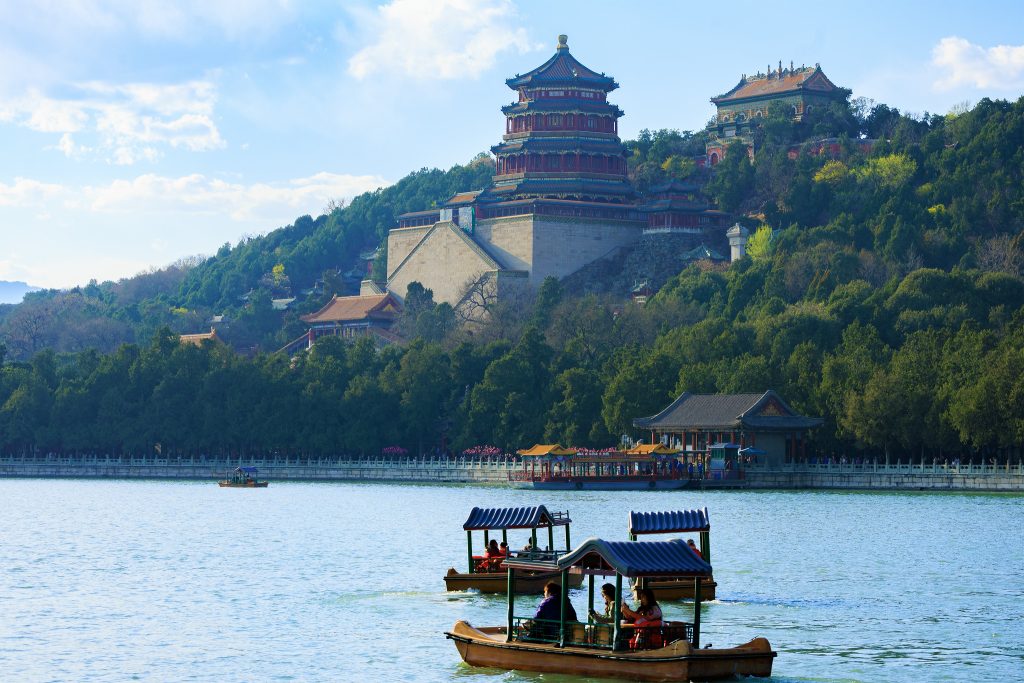
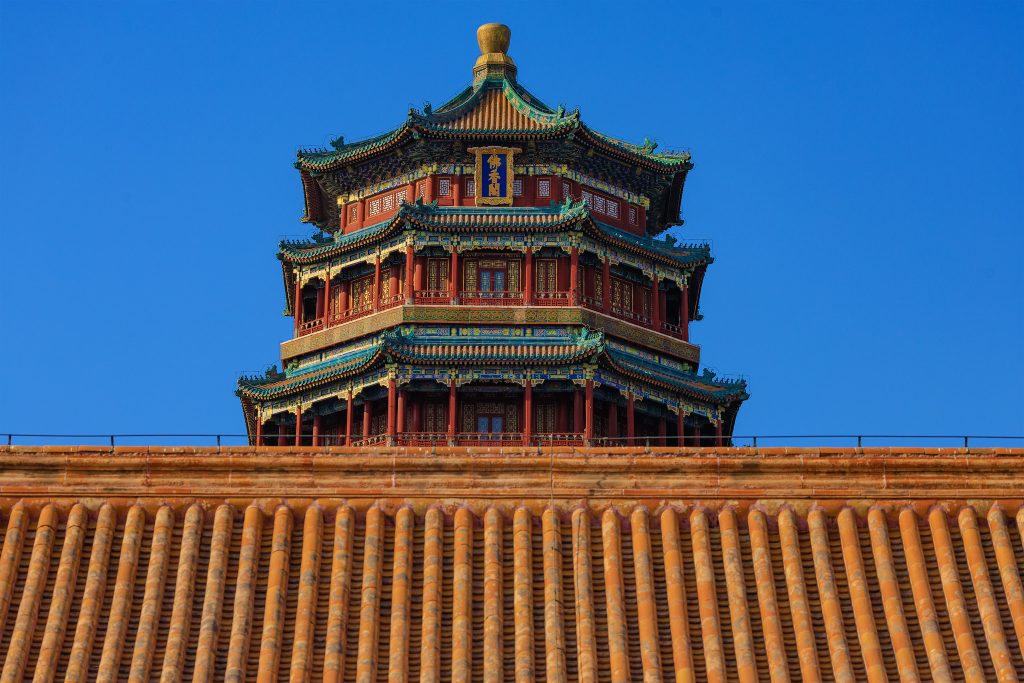
A UNESCO World Heritage site and the grand imperial garden of the Qing Dynasty emperors, centered around Kunming Lake and Longevity Hill. Walking along the lake shore, the sheer craftsmanship of the 728-meter Long Corridor (decorated with over 14,000 hand-painted folk tales) and the Seventeen-Arch Bridge is staggering. It is a place that genuinely takes your breath away with its of landscape design and classical Chinese architecture.
Cost
Entry ~30–60 RMB (~£3.30–£6.60 GBP depending on season/through-ticket).
Jingshan Park (景山公园): The Forbidden City Overlook
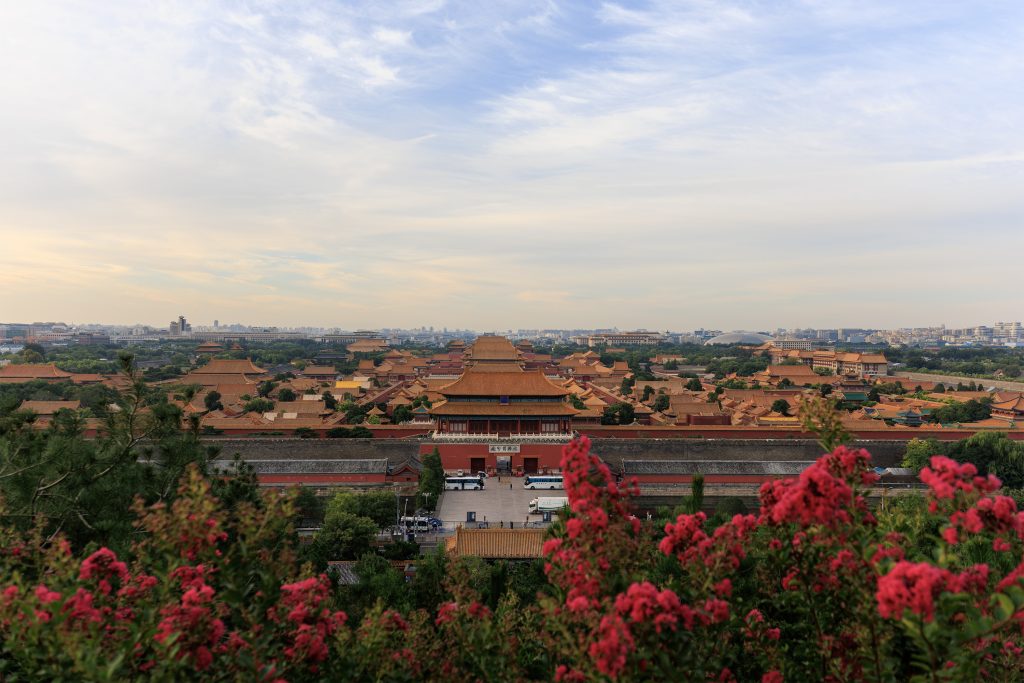
Directly across the northern moat of the Forbidden City sits Jingshan Park, an artificial hill constructed entirely from earth excavated to create the imperial palace moats.
Wanchun Pavilion (万春亭)
Pay the modest 2 RMB (~£0.22 GBP) entry fee and hike 10–15 minutes up stone stairs to the summit pavilion. This viewpoint provides the ultimate elevated 360° view of Beijing: looking south, you see the entire sprawling, symmetrical expanse of the Forbidden City’s golden-glazed roofs receding into the distance.
Morning Culture
In the early morning, the forested park paths are filled with retirees practicing tai chi, fan dances, and communal choir singing beneath old-growth pine and cypress canopies.
Xi’an: The Ancient Cradle of the Silk Road
Xi’an (historically known as Chang’an) served as the imperial capital for 13 dynasties and the eastern terminus of the ancient Silk Road. It combines ancient stone walls and military heritage with a lively culinary culture centered in its historic Muslim Quarter.
The Terracotta Warriors (秦始皇兵马俑)
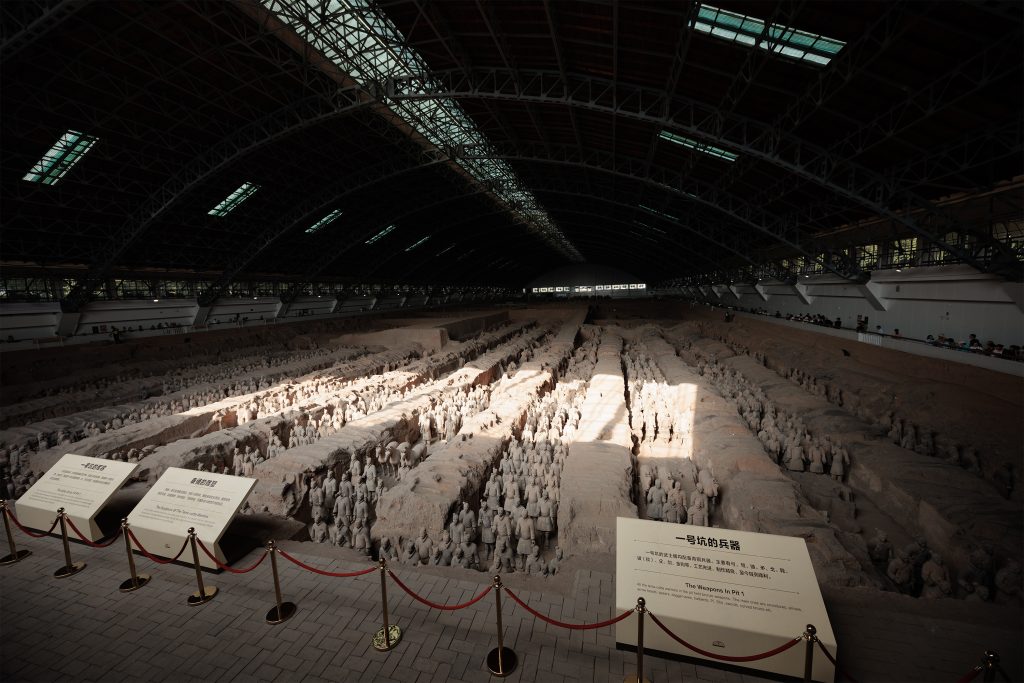
Discovered by local farmers digging a well in 1974, this subterranean army was constructed over 2,200 years ago to guard the tomb of Emperor Qin Shi Huang in the afterlife.
The Craftsmanship
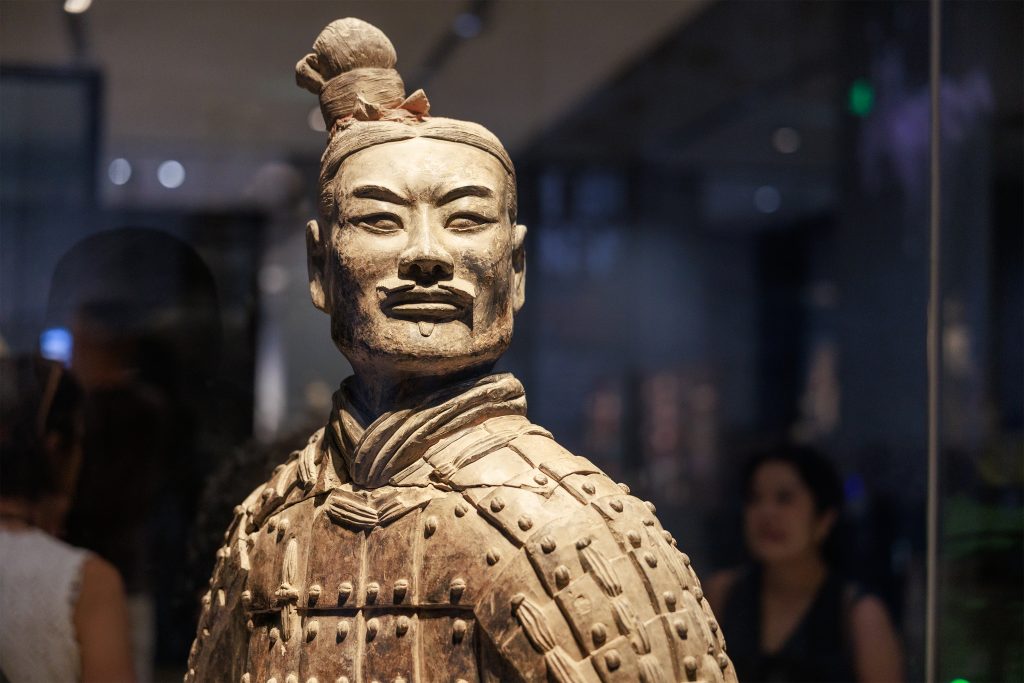
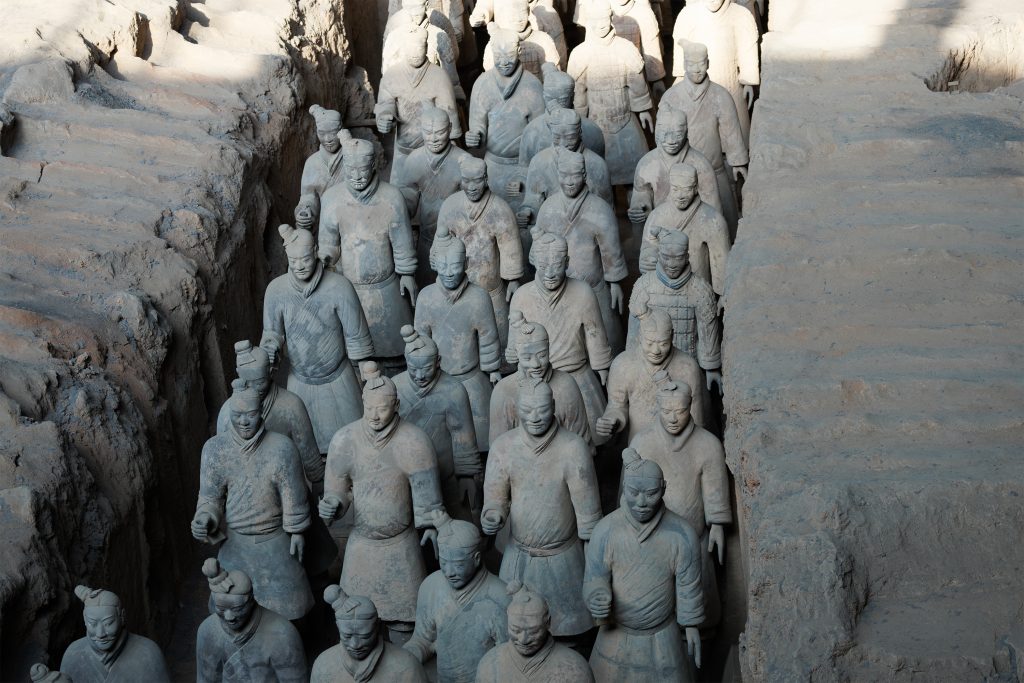
Standing in front of Pit 1 the largest hangar containing over 6,000 life-sized infantry soldiers, horses, and wooden chariots is a humbling experience. What makes them so extraordinary is the individual realism: every single terracotta soldier has a distinct facial structure, hairstyle, rank badge, and hand gesture. No two soldiers are identical.
Museum Gallery
Be sure to spend time in the exhibition halls, where excavated bronze chariots, standing cavalrymen, and kneeling archers are displayed in glass cases, allowing you to photograph the intricate armor rivets, shoe soles, and facial expressions up close.
Cost
~120 RMB (~£13.20 GBP). Book tickets well in advance tied to your passport; arrive right at opening (08:30) to beat the domestic tour coaches.
Xi’an Ancient City Wall (西安城墙)
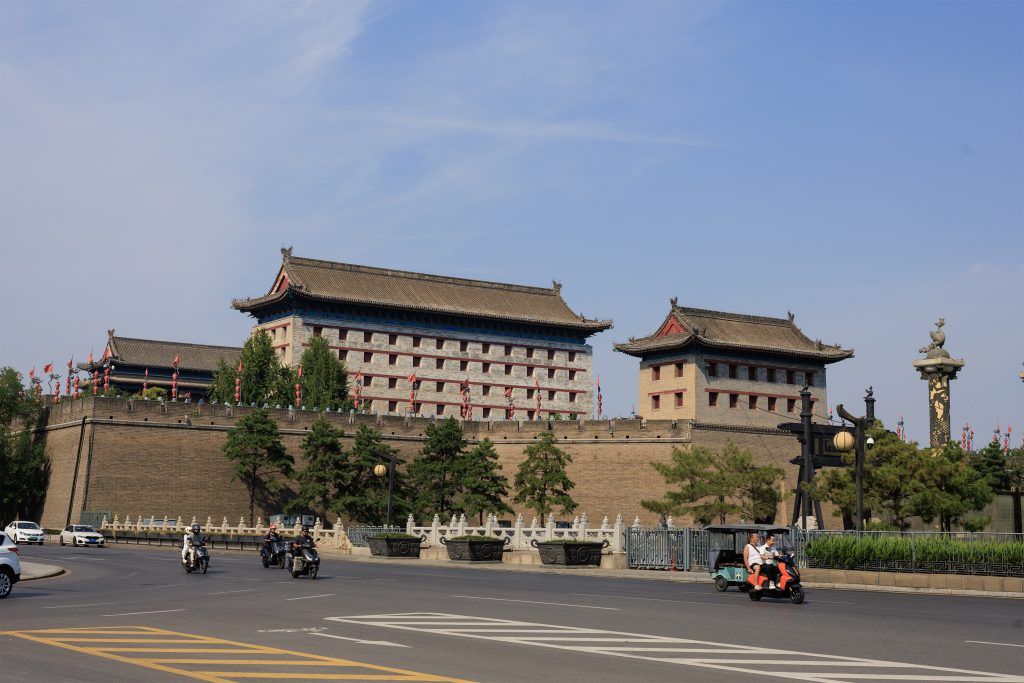
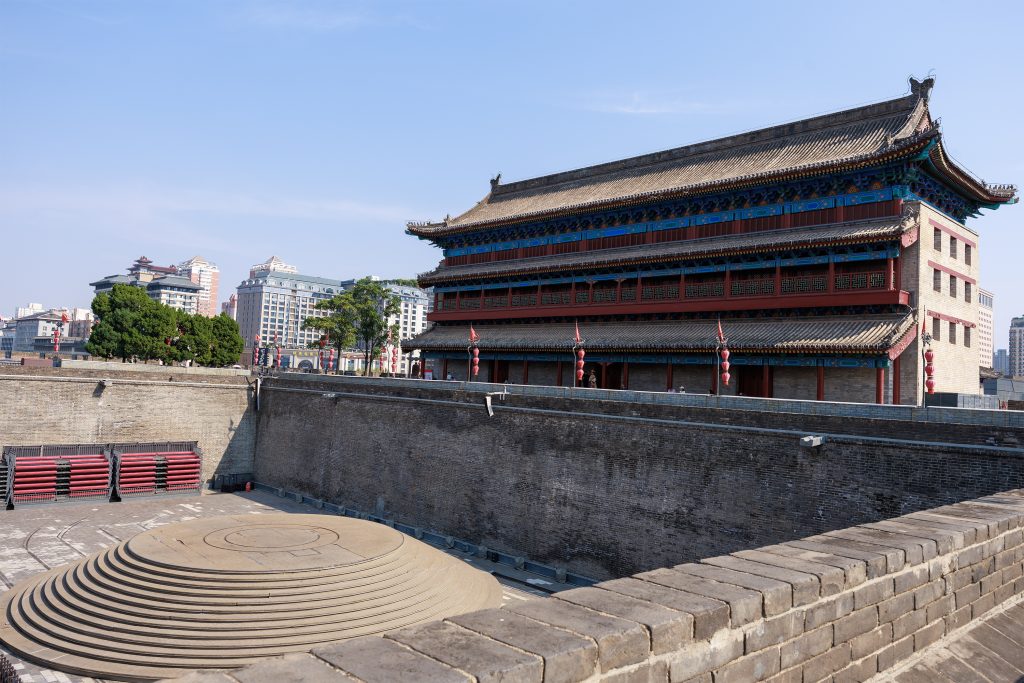
Constructed during the early Ming Dynasty (1370–1378) atop the foundations of the Tang Dynasty imperial palace, Xi’an’s City Wall is the most complete and best-preserved ancient urban fortification in the world.
The Experience
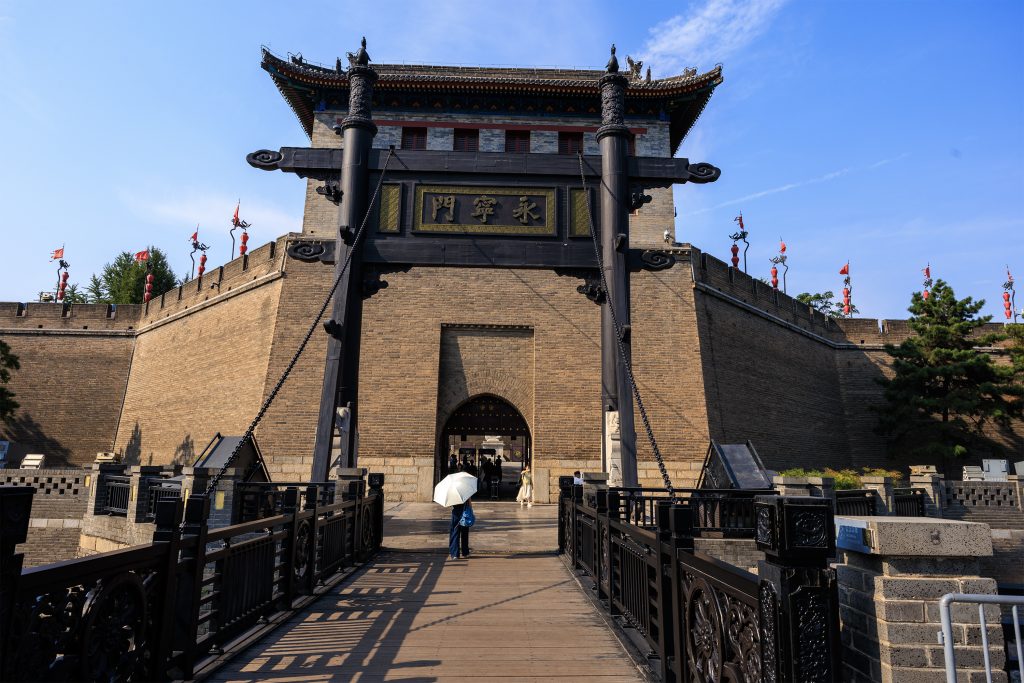
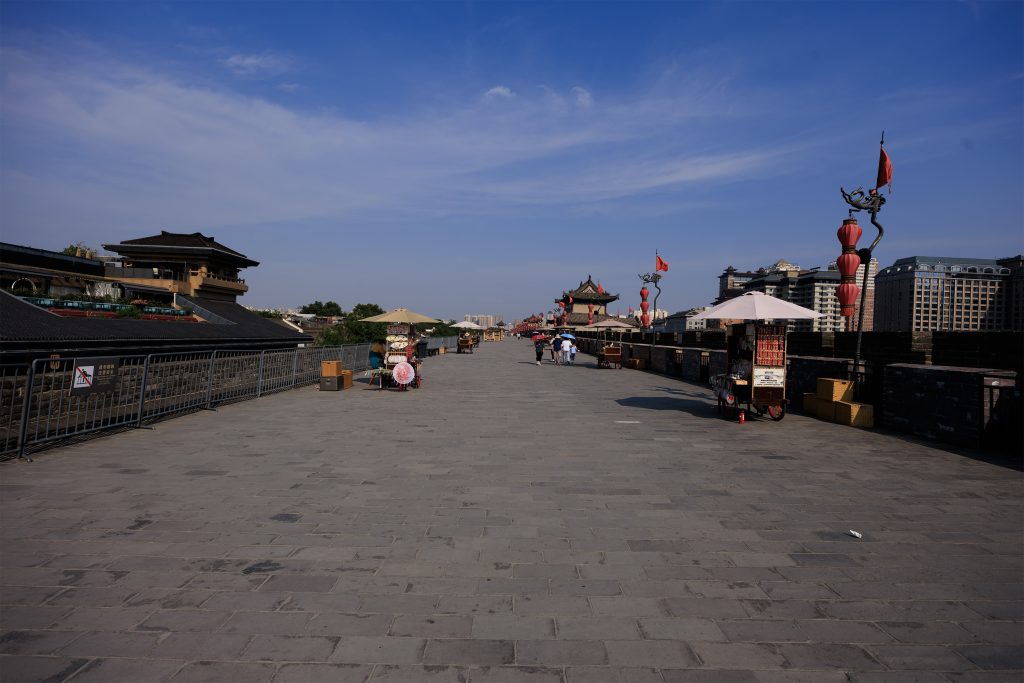
The wall stands 12 meters high, spans up to 18 meters wide at the base, and stretches for a continuous 13.74-kilometer rectangle surrounding the old city center. You can walk or rent a tandem/single bicycle (~45 RMB for 2 hours) at the South Gate (Yongningmen) and cycle the entire perimeter, marveling at the watchtowers and arrow-slit bastions overlooking modern Xi’an’s traffic.
Cost
Entry ~54 RMB (~£6.00 GBP).
The Bell Tower & Drum Tower (钟楼与鼓楼)
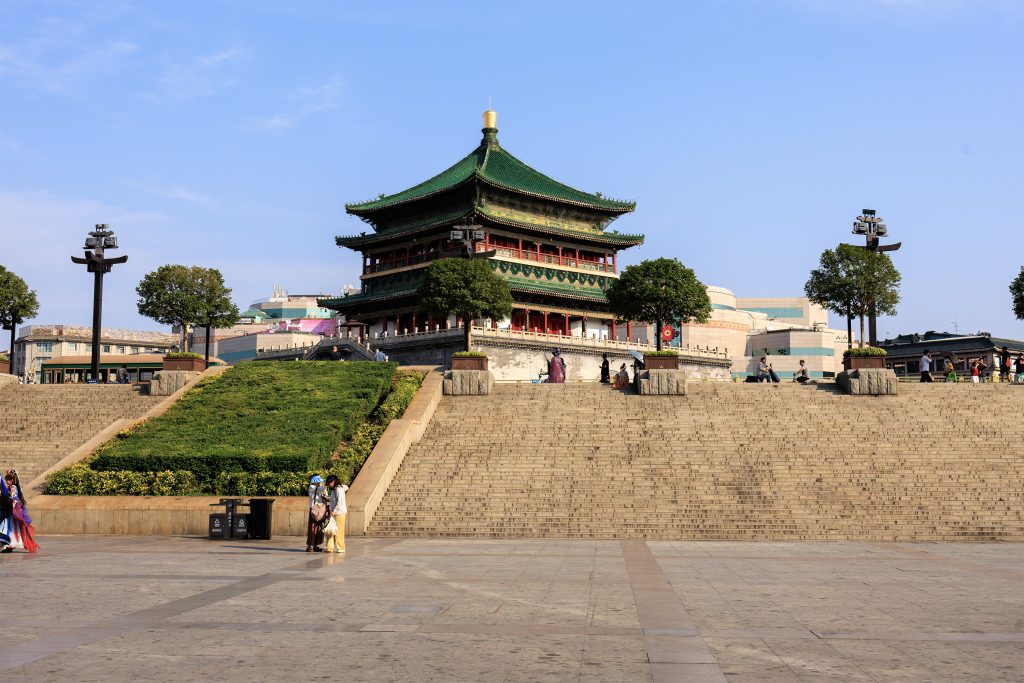
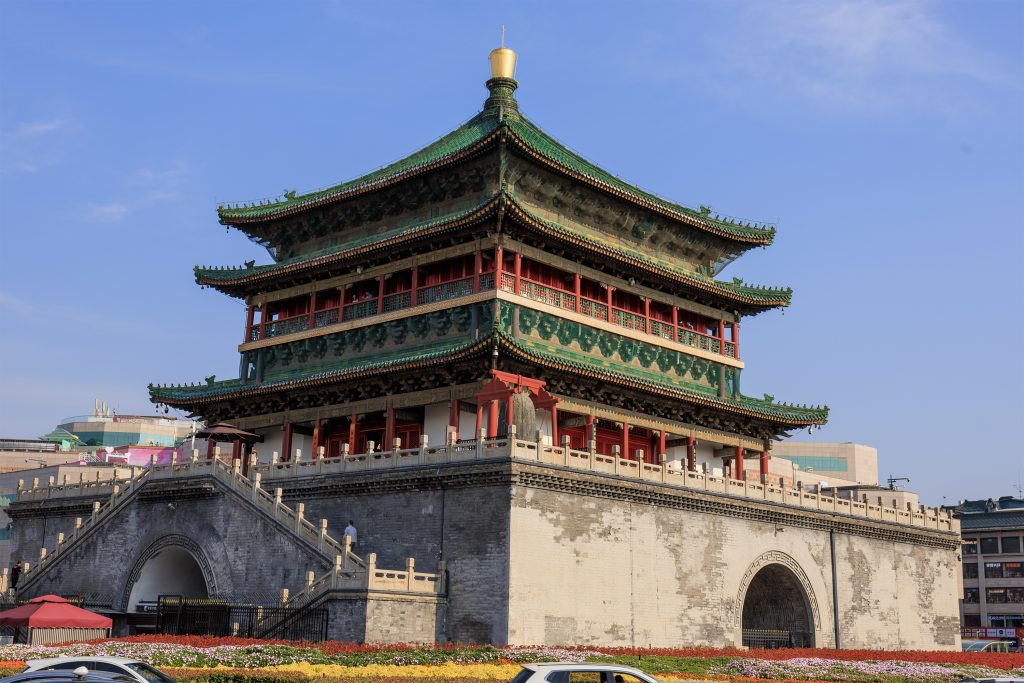
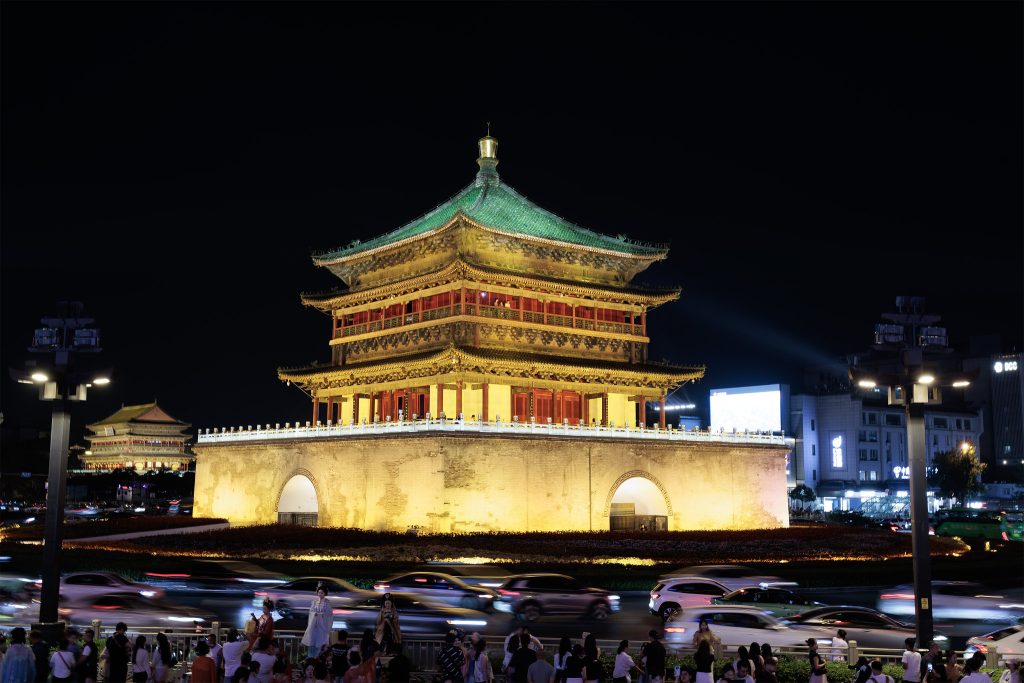
These massive timber-framed monuments sit in the center of Xi’an, dating back to 1384 and 1380. Historically, the drum signaled the evening and the bell rang at dawn. At night, both towers are illuminated in vivid scarlet and gold lanterns, creating a stunning backdrop right at the gateway to the bustling Muslim Quarter (Huimin Jie).
Chengdu: Giant Pandas, Zen Monasteries, and Teahouse Culture
Chengdu, the capital of Sichuan province, operates at a famously relaxed, leisurely pace. The local philosophy centers around baishi (comfortable living), spending long afternoons sipping tea in bamboo armchairs, and enjoying fiery Sichuan peppercorn cuisine.
Chengdu Giant Panda Breeding Research Base (成都大熊猫繁育研究基地)
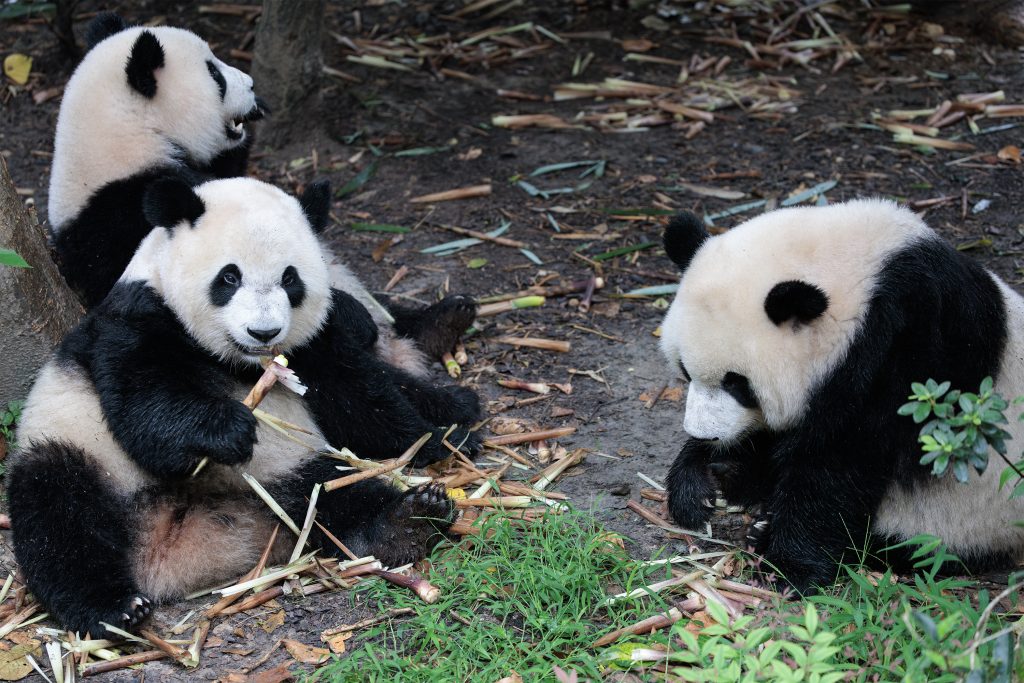
Sichuan province is the native evolutionary home of the Giant Panda (Ailuropoda melanoleuca). This world-renowned conservation and research center covers over 3,000 acres of dense, rolling bamboo groves designed to recreate the wild mountain habitat of the Qionglai and Minshan mountain ranges.
Panda Highlights
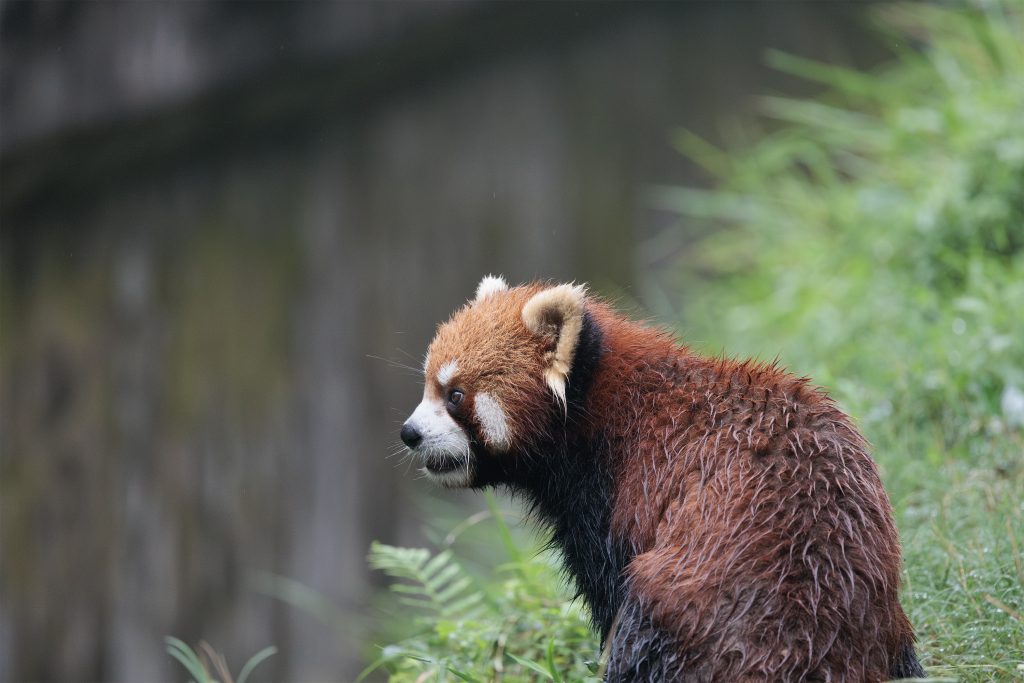
The base has done an exceptional job cultivating rich bamboo canopies, misty streams, and natural climbing logs. You can observe Giant Pandas lounging on their backs munching fresh bamboo shoots, as well as the incredibly agile and charismatic Red Pandas (Ailurus fulgens) scurrying along tree branches with their bushy ringed tails.
Cost & Tip
~55 RMB (~£6.00 GBP). Arrive by 07:30–08:00 AM; pandas are most active during morning feeding hours before sleeping through the midday heat.
Wenshu Monastery (文殊院)
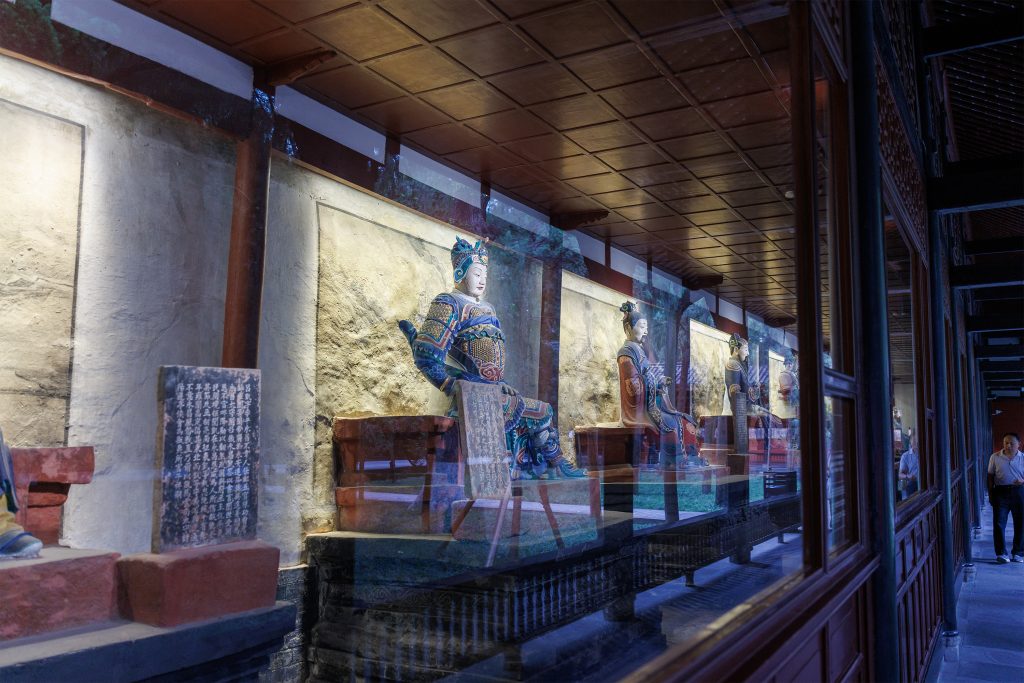
Chengdu’s best-preserved Zen Buddhist temple complex, dating back to the Sui Dynasty (reconstructed in 1697 during the Qing Dynasty).
The Atmosphere
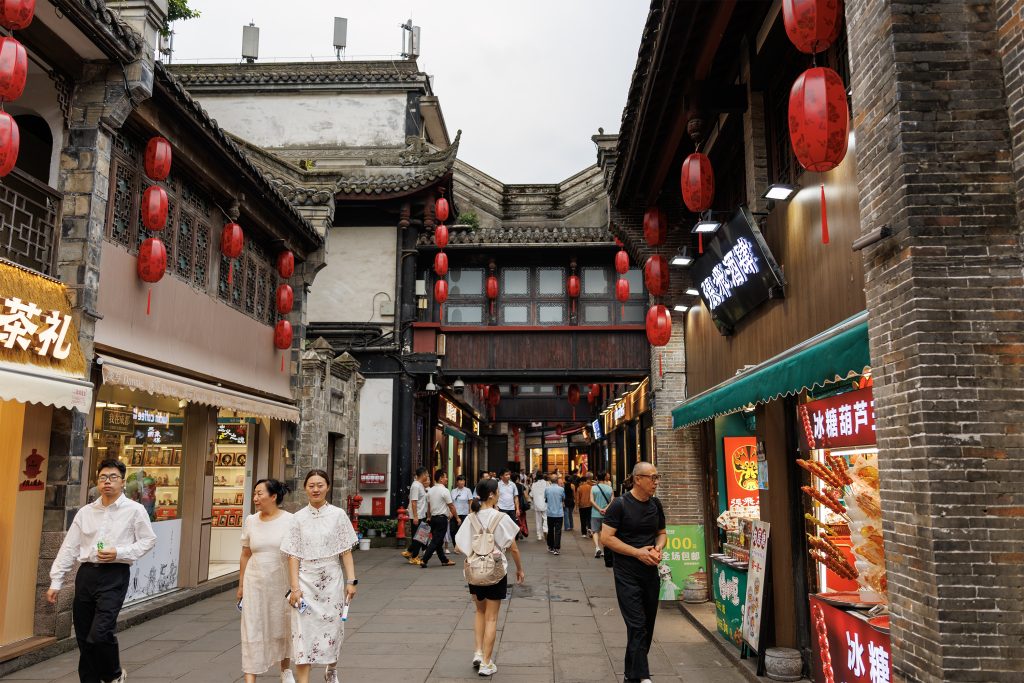
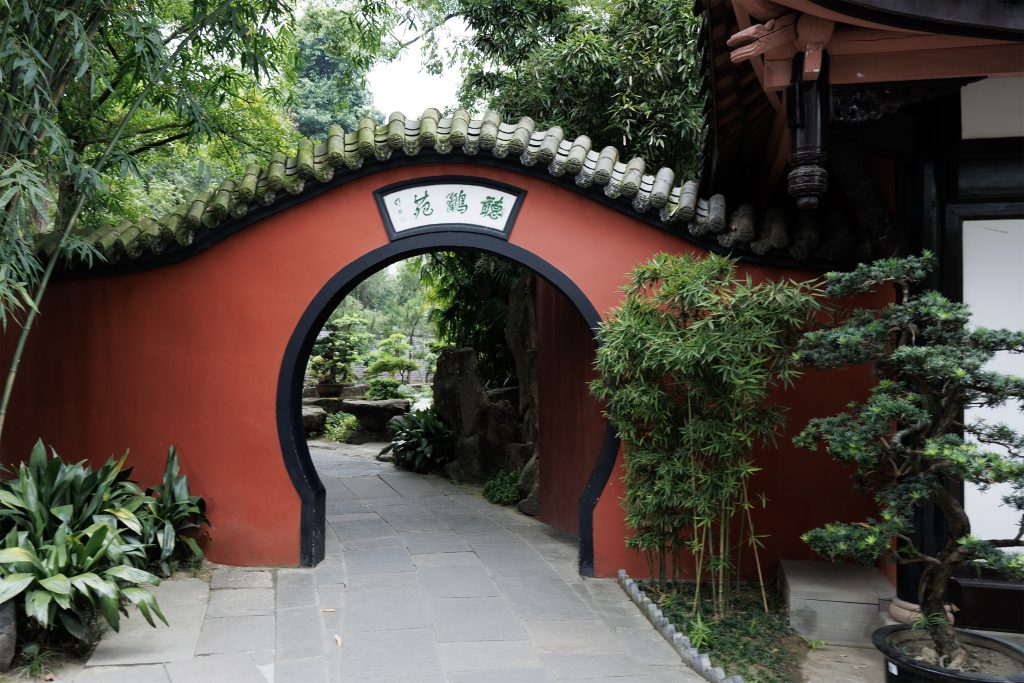
Passing through the red calligraphy walls into shaded timber courtyards, you are enveloped by swirling sandalwood incense, ornate dragon eaves, and ancient ginkgo trees.
The Outdoor Teahouse
At the rear of the monastery sits an authentic open-air bamboo teahouse. For ~15–25 RMB, you get a porcelain gaiwan cup of fragrant jasmine tea with unlimited hot water kettle top-ups from brass kettles, allowing you to relax under the canopy alongside locals playing mahjong. A truly authentic slice of Chengdu daily life.
Anshun Covered Bridge (安顺廊桥)
A historic covered bridge spanning the Jinjiang River, first described by European traveler Marco Polo during his 13th-century journeys through China. Rebuilt in traditional timber architectural style with tiled gables, it houses an upscale restaurant.
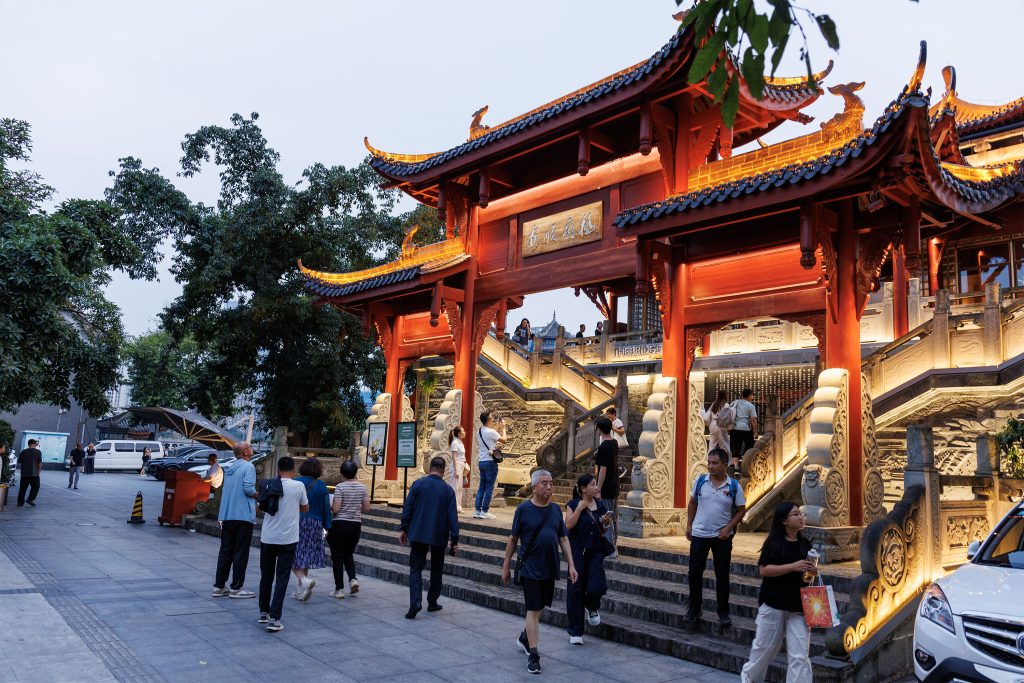
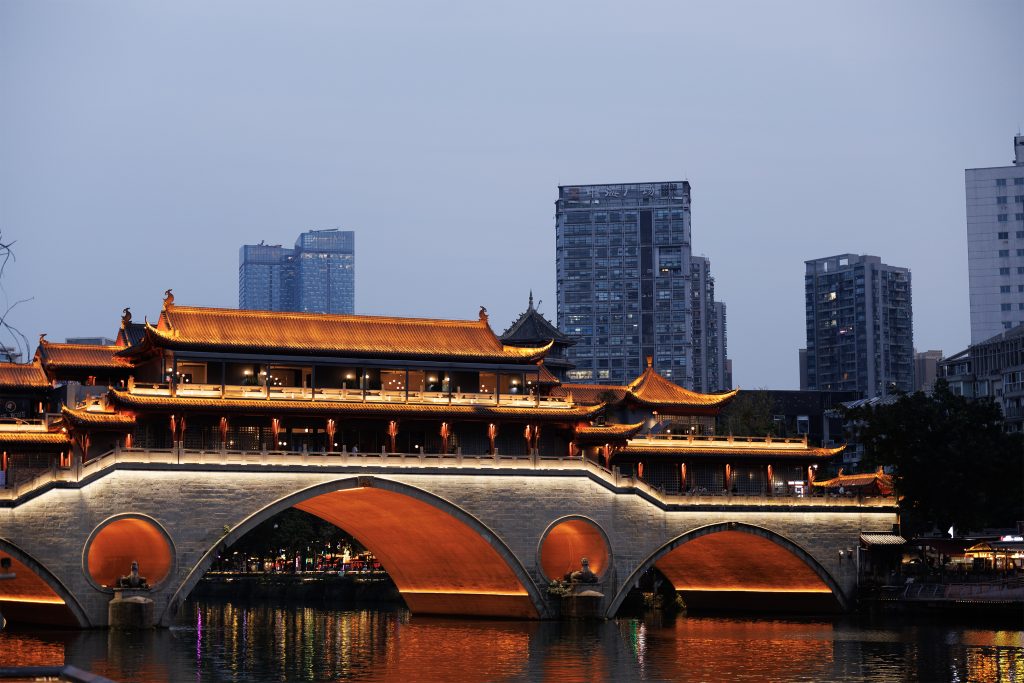
Photography Note: The bridge is best photographed during Blue Hour (roughly 19:00–19:30) when the golden structural lights turn on. Setting up a tripod or stabilizing your camera on the river promenade railing yields pristine, glowing reflections across the water.
Chongqing: The 8D Cyberpunk Mountain Metropolis
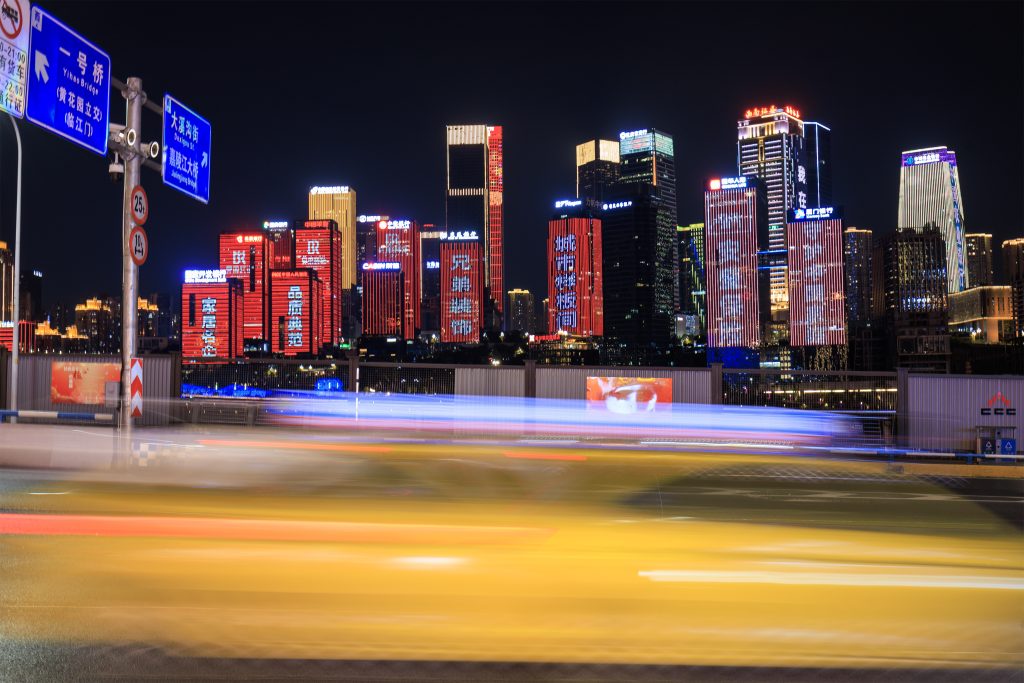
Built across jagged granite mountains at the confluence of the Yangtze and Jialing rivers, Chongqing is unlike any other city on Earth. It has rightfully earned the reputation as the real-life city that inspired the aesthetics of cyberpunk video game. With multi-tiered highways weaving through skyscrapers, bridges vanishing into heavy river fog, and residential buildings built on multi-level cliffs, you can walk out onto what you believe is the 1st-floor street level only to find you are on the 22nd floor of another building!
Hongyadong (洪崖洞) & Qiansimen Bridge
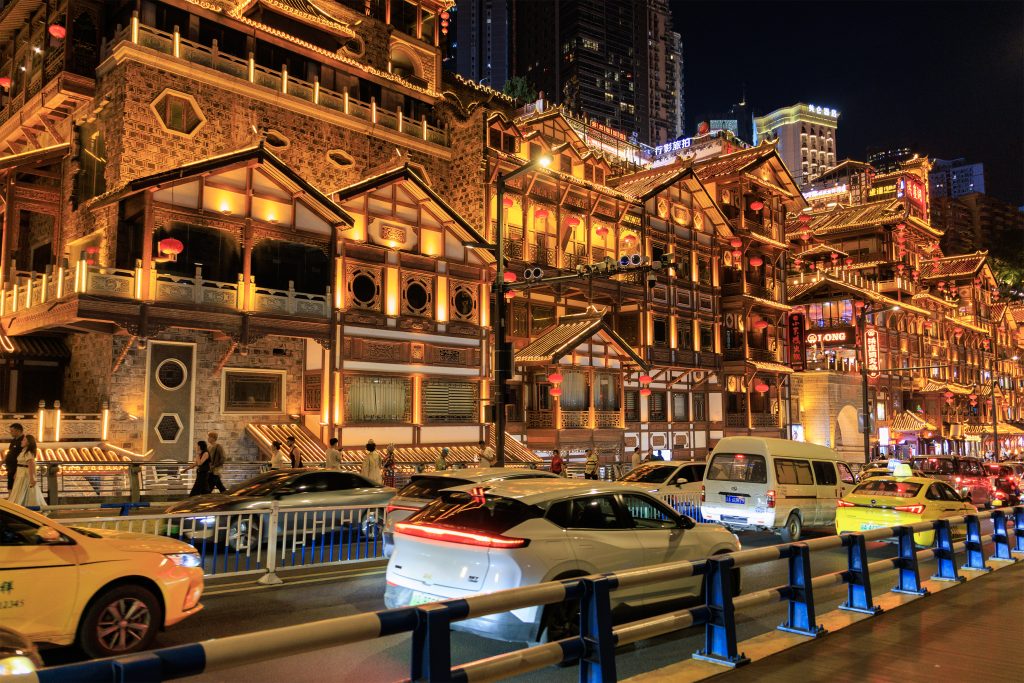
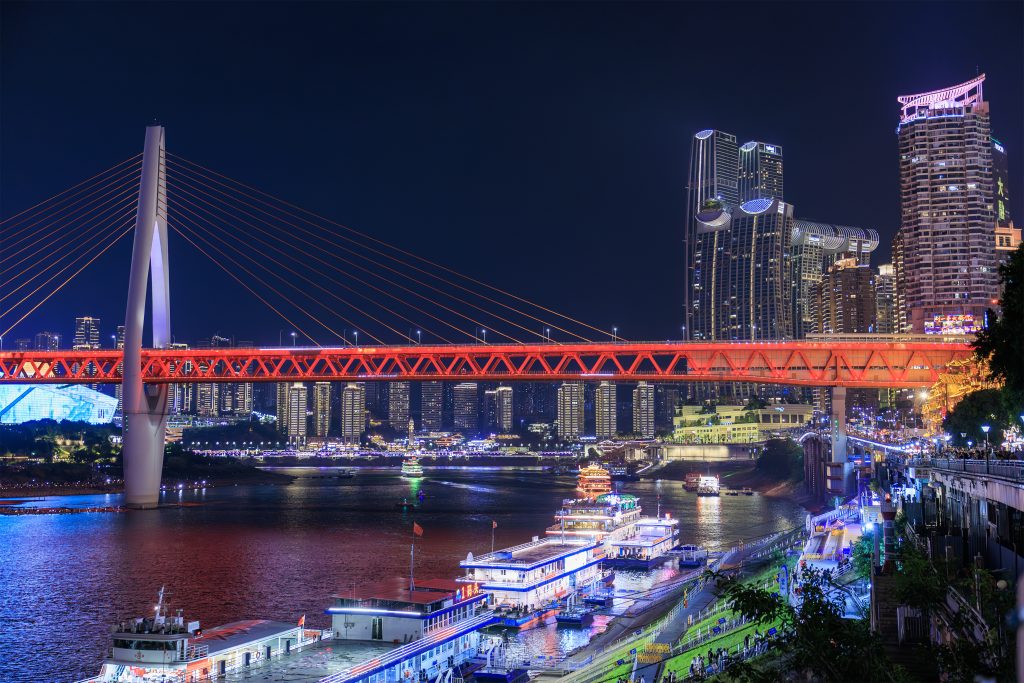
Chongqing’s most celebrated night view. Hongyadong is an 11-storey traditional wooden stilt house complex (diaojiaolou) built directly against the near-vertical rock face of the Yuzhong peninsula river cliff.
The Visual Impact
At night, thousands of amber lights illuminate the eaves, transforming the cliffside into a glowing, fantasy-like palace reminiscent of the bathhouse in Spirited Away.
Best Angle
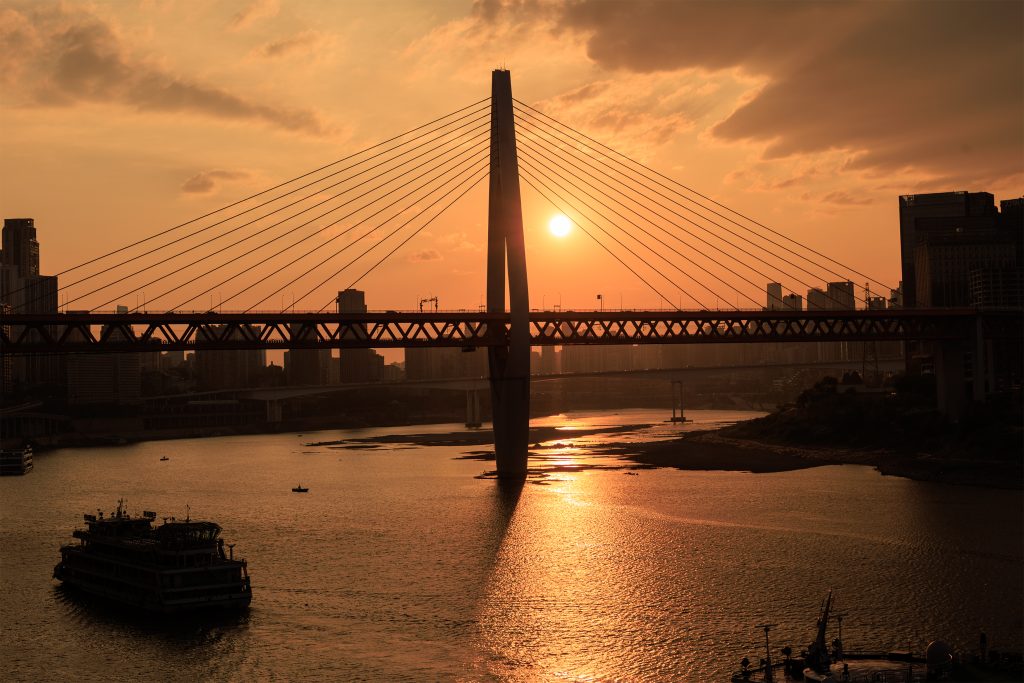
Walk halfway across the adjacent Qiansimen Bridge (千厮门大桥), a striking crimson cable-stayed bridge with wide pedestrian paths, to capture Hongyadong glowing against the dark river cliffs with the neon skyscrapers rising behind it. Local street photographers line the bridge offering instant portraits for ~20 RMB.
Chongqing Zoo (重庆动物园)
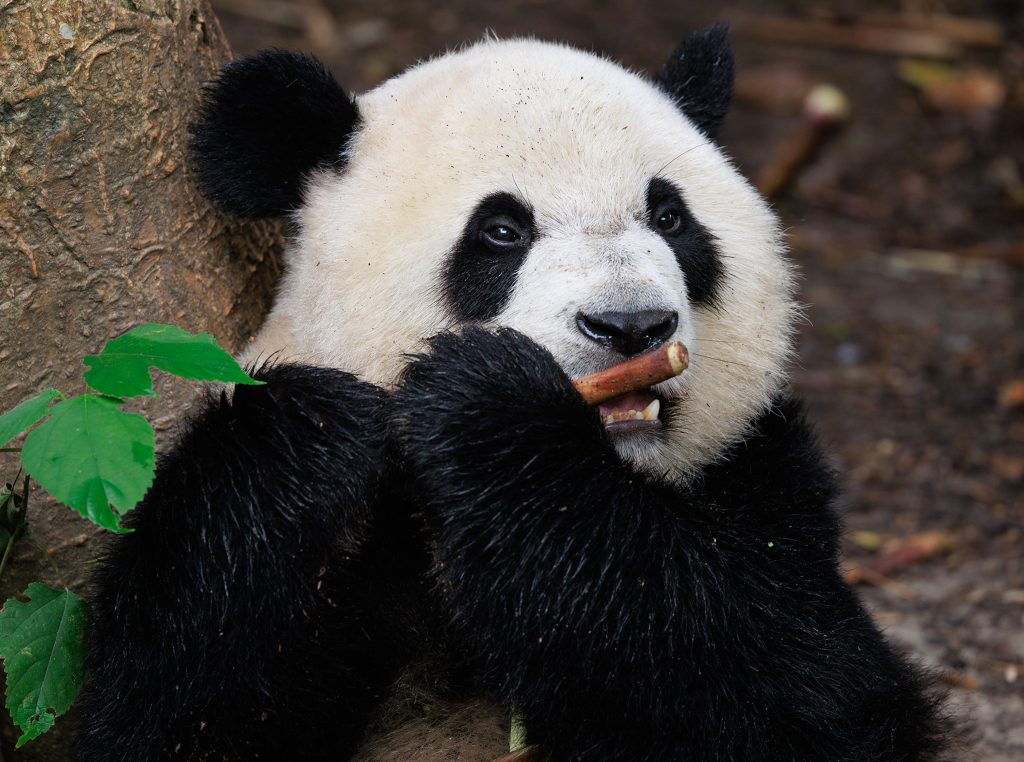
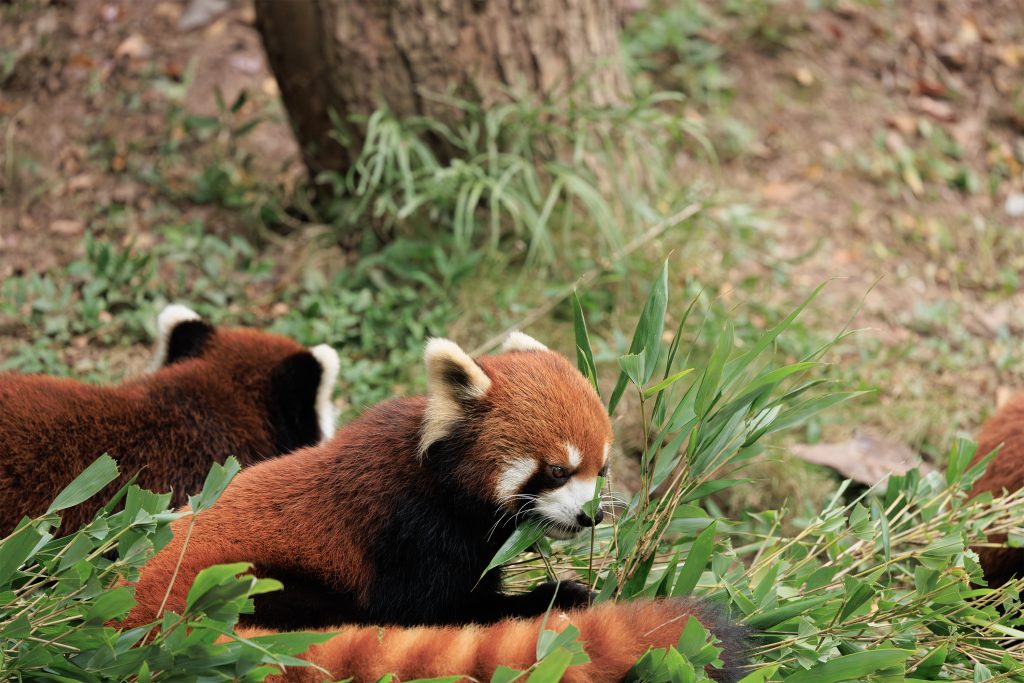
Another must-visit stop for wildlife lovers in southwestern China. Chongqing Zoo is celebrated for its thriving family of Giant Pandas (often seen eating together around stone outdoor dining tables) and Red Pandas.
The Waterfowl Lake
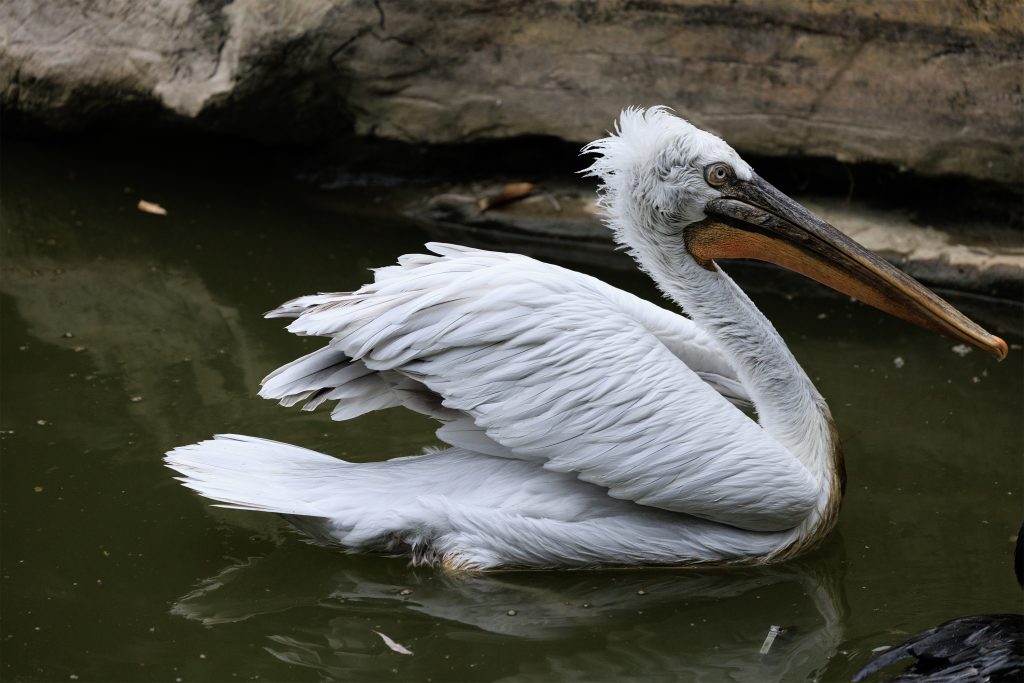
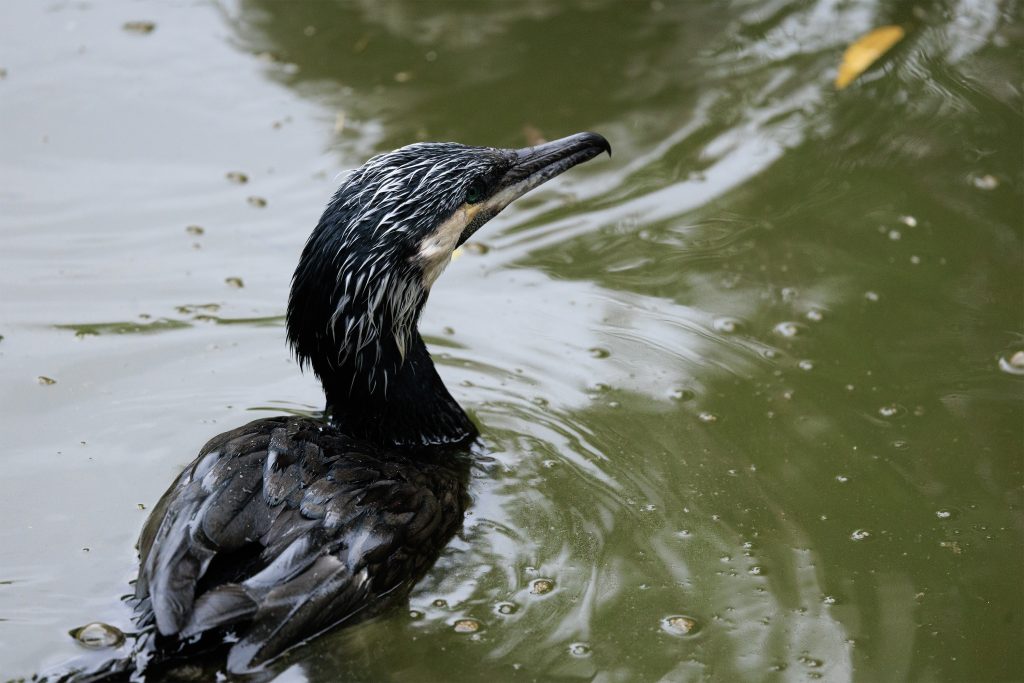
Beyond the pandas, the zoo’s large, willow-fringed waterfowl lake attracts an impressive mix of water birds: Mandarin Ducks (Aix galericulata), Australian Black Swans, Great Cormorants, and Pelicans. It’s an unexpectedly tranquil haven for bird photography amidst the urban density.
Cost
~25 RMB (~£2.75 GBP).
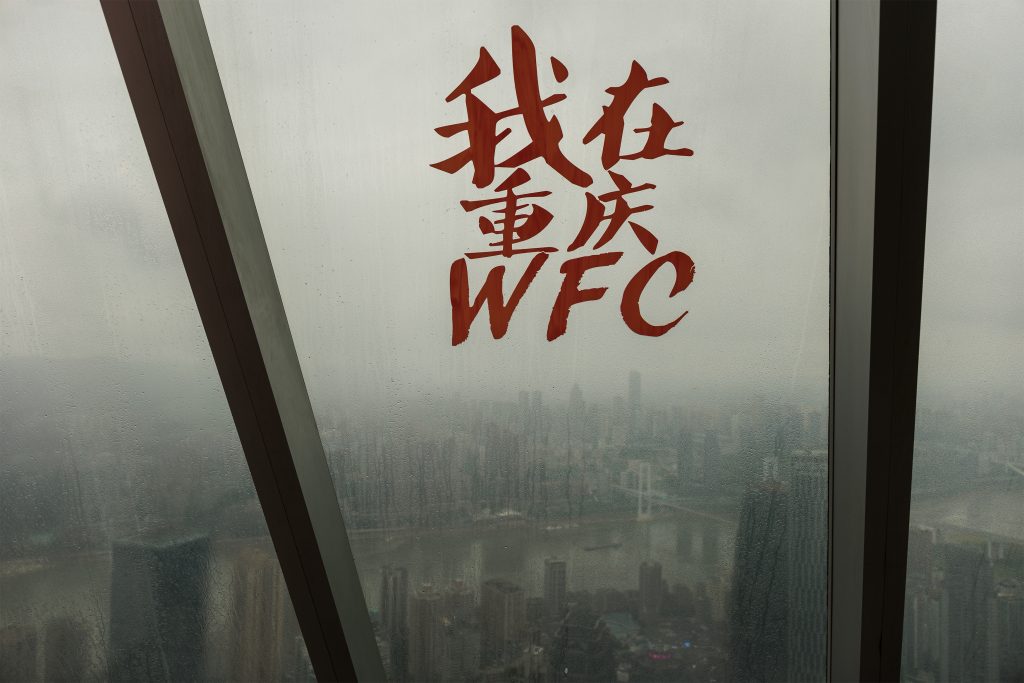
WFC Huixianlou Observation Deck (会仙楼观景台)
Perched atop the 73rd and 74th floors of the Chongqing World Financial Center (WFC) at an elevation of 339 meters.
The Photographer’s Dream
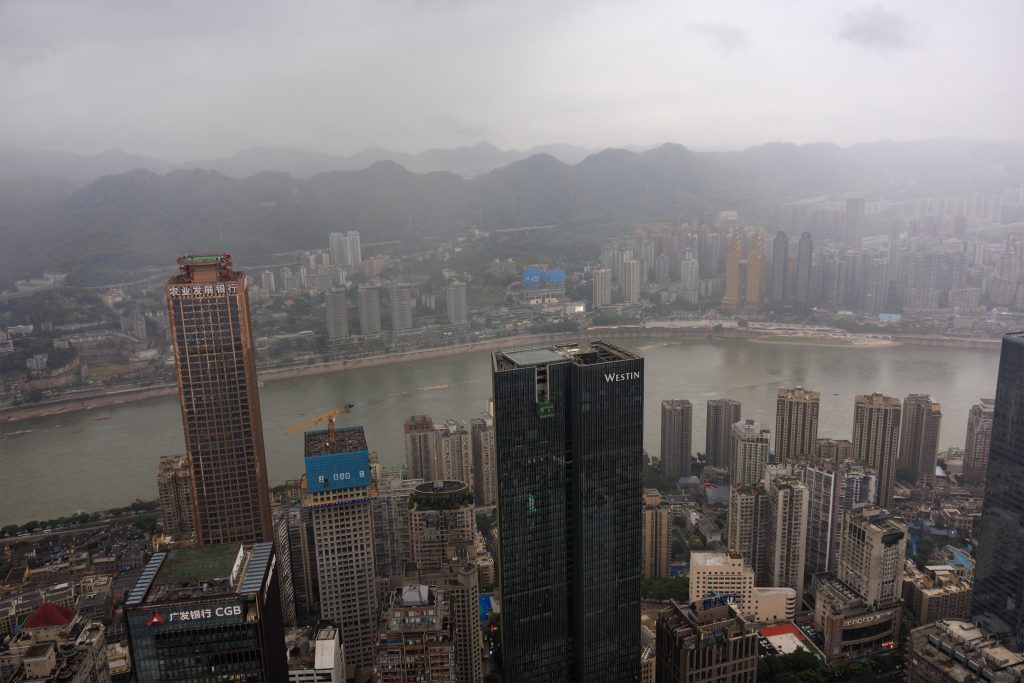
Unlike many skyscraper observation decks that force you to shoot through thick, scratched, tinted glass with interior glare, WFC features an open-air outdoor observation platform at the 74th floor. This allows you to capture crystal-clear, reflection-free 360° panoramas of the Jialing and Yangtze river confluence, the bridges, and the sea of illuminated skyscrapers below.
Cost
~88 RMB (~£9.70 GBP).
Hong’en Temple Forest Park (鸿恩寺森林公园)
Set high on a mountain ridge in Jiangbei district overlooking the Yangtze valley, this lush, heavily wooded park is crowned by the magnificent, nine-story golden Hong’en Pavilion (鸿恩阁).
Vibe & Views
Far less crowded than downtown tourist spots, it offers wide panoramas over the city’s bridges and gorges. For
birding, the forested hillsides are prime habitat for Red-billed Blue
Magpies, Chinese
Hwamei, and various laughingthrushes flitting through the bamboo scrub. Free entry.
Liziba Monorail Station (李子坝站)
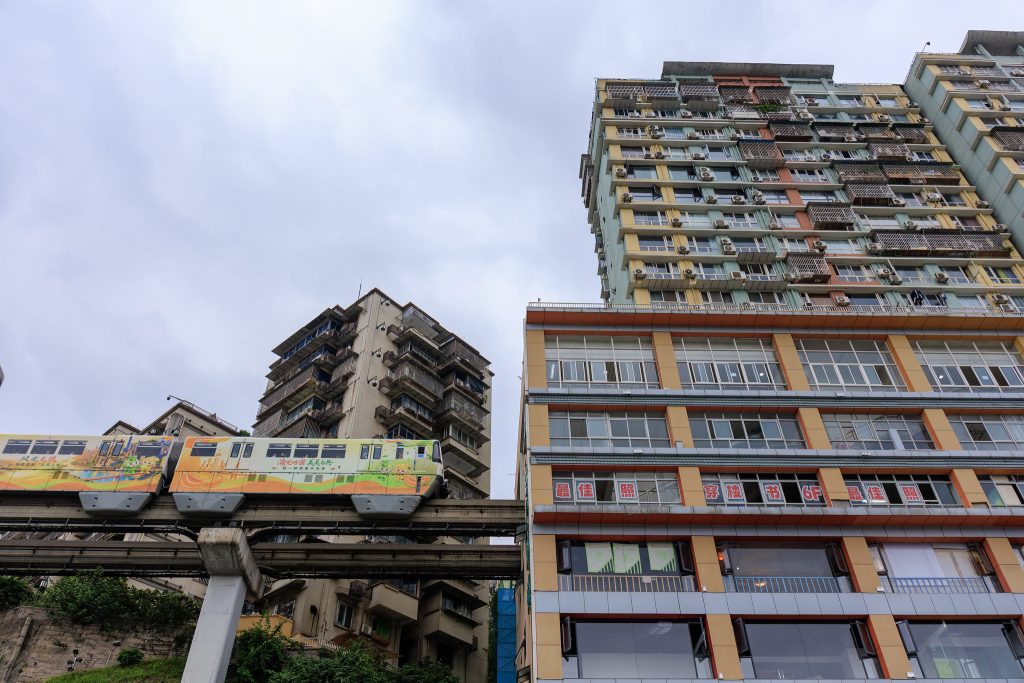
One of Chongqing’s most famous urban engineering spectacles: Chongqing Rail Transit (CRT) Line 2 glides directly through the middle of a 19-storey residential apartment building (occupying the 6th to 8th floors).
The Viewpoint
A dedicated riverfront viewing platform sits directly across the road below. Watching a sleek, futuristic monorail train emerge silently from the center of a living apartment block is an unforgettable moment of vertical urban design.
Two Rivers Night Cruise (两江游船)
Departing from Chaotianmen Pier, the night cruise sails along the confluence of the Yangtze and Jialing rivers. It is one of the best ways to photograph the illuminated riverbanks, futuristic neon suspension bridges, and dramatic hillside towers from water level. (~150 RMB / £16.50 GBP).
Mount Huangshan & Hongcun: Sacred Peaks and Living Ink Paintings
Leaving the mega-cities behind, southern Anhui province showcases the sublime natural beauty and traditional countryside that inspired classical Chinese art and poetry for centuries.
Mount Huangshan (Yellow Mountains – 黄山)
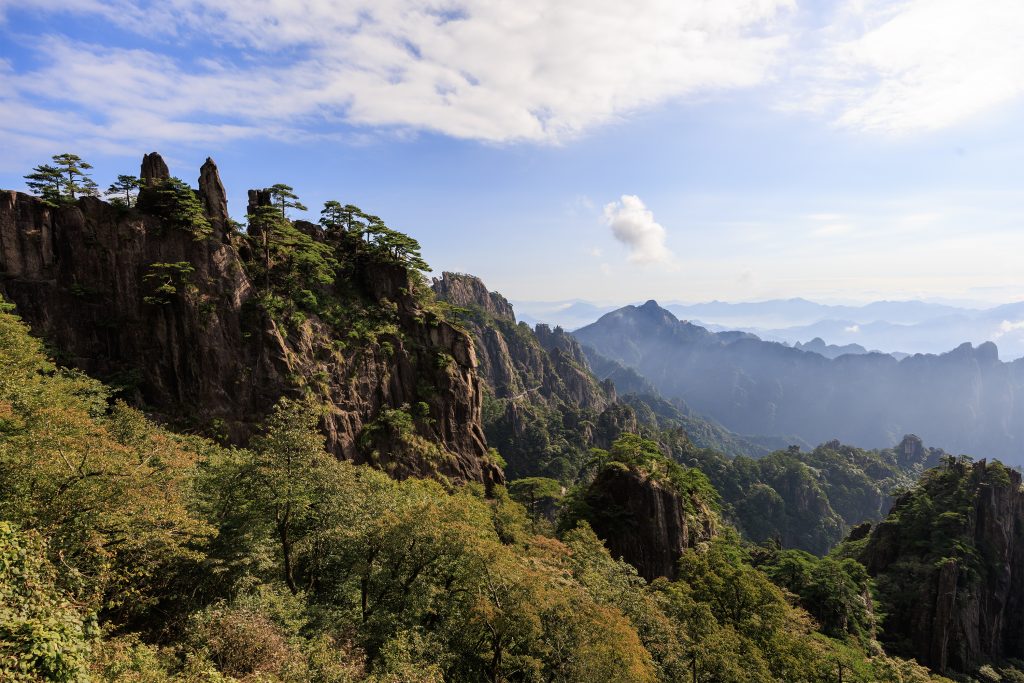
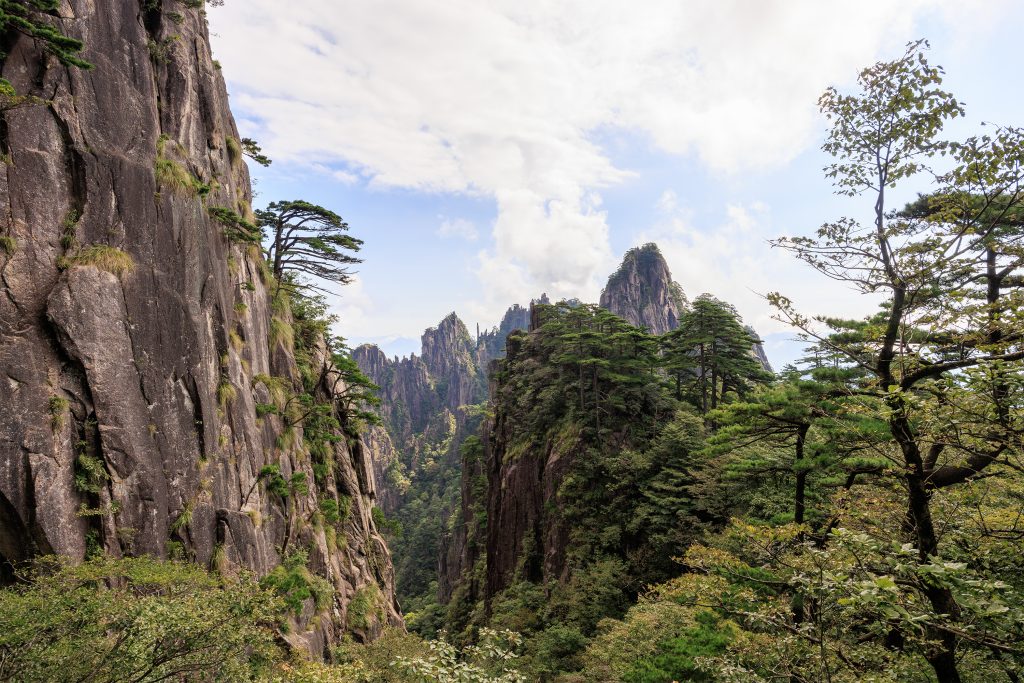
Widely regarded as the most beautiful mountain in China, Mount Huangshan is an uplifted granite batholith famous for its “Four Wonders”: oddly-shaped pines, absurd rocks, the sea of clouds, and thermal springs.
The Summit Experience
Gliding up 750 vertical meters in the modern Yungu Cable Car
(云谷索道) brings you directly onto the summit plateau at 1,770m. Paved stone
pathways with granite guardrails wind between sheer granite pillars and twisted Huangshan pines (Pinus
hwangshanensis) rooted miraculously into vertical rock cracks without soil.
The central summit offering an awe-inspiring 360° amphitheater view across all mountain peaks.
Hongcun Ancient Village (宏村)
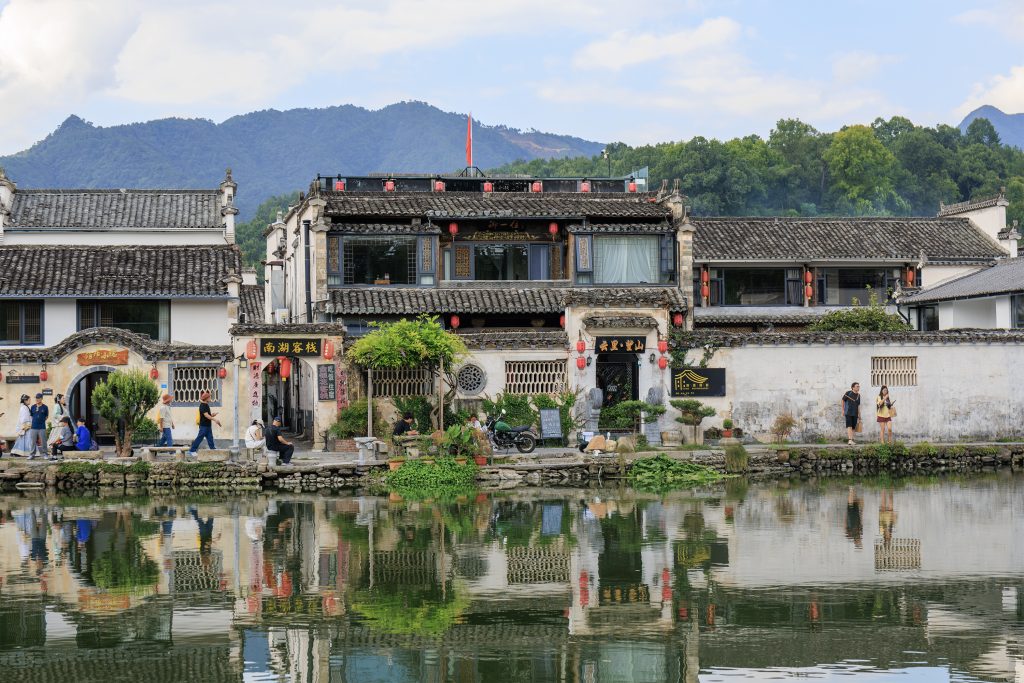
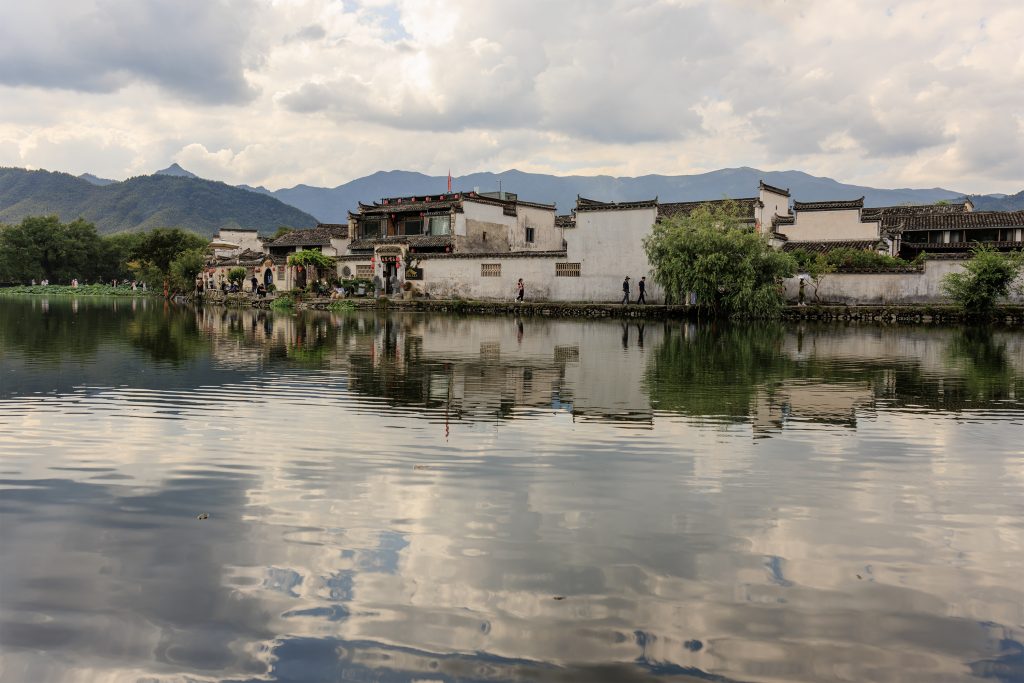
Situated in the foothills of Huangshan, Hongcun is a 900-year-old UNESCO World Heritage village established in 1131 during the Southern Song Dynasty. It is famous for its ingenious Ming and Qing dynasty ox-shaped water system, where flowing mountain springs are channeled through narrow waterways past every household before pooling into Moon Pond (月沼) and South Lake (南湖).
A Living Ink Painting
Hongcun is the epitome of classical Huizhou architecture: whitewashed plaster walls, dark grey slate tiles, and ornate stepped “horse-head” gables (matouqiang).
The Artists by the Water
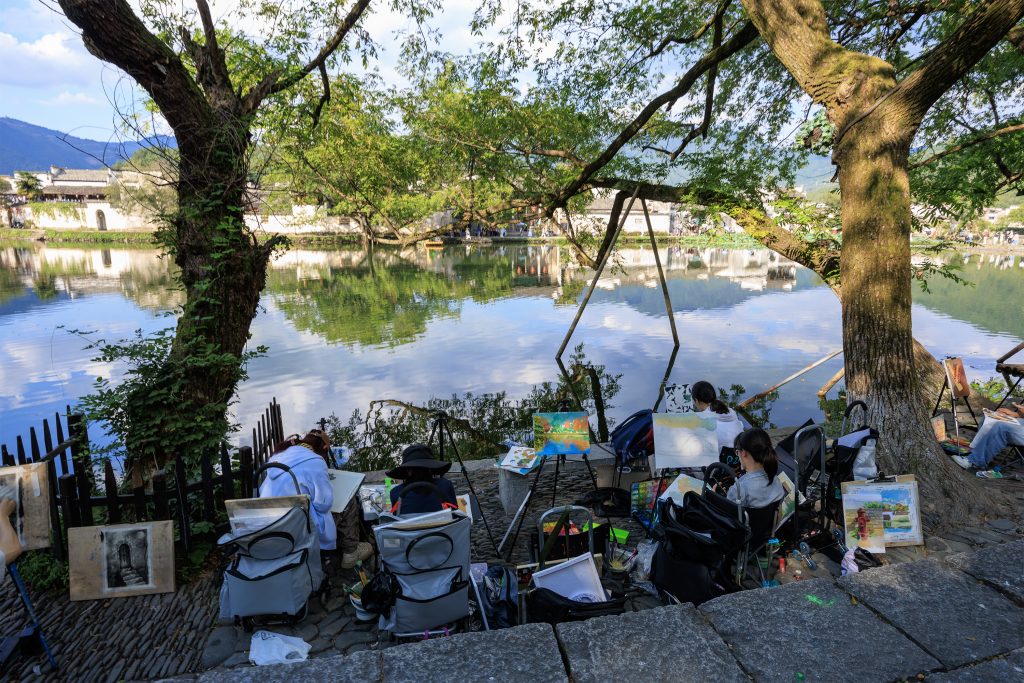
One of the most touching aspects of visiting Hongcun is seeing dozens of art students and local painters sitting on small folding stools along the shores of South Lake and Moon Pond with their wooden easels, oil paints, and watercolors. Stepping away from phone screens to see people quietly capturing the reflections of ancient timber pavilions in the still water feels like watching a traditional Chinese ink wash painting (shanshui) come to life before your eyes.
Final Travel & Photography Takeaways
Get Up Early
Whether it is beating the crowds at Jinshanling Great Wall, arriving at the Chengdu Panda Base before the morning feeding ends, or standing at Jingshan Park for dawn light, China rewards early risers with quiet, unhurried photo opportunities.
Embrace Urban Parks
China’s city parks (Century Park in Shanghai, Jingshan Park in Beijing, Hong’en Temple in Chongqing) are some of the most rewarding places to visit. They provide incredible urban birding, authentic local culture (yoga, tai chi, choir singing), and very affordable entry (often free to 2 RMB).
Carry Two Complementary Lenses
For a trip of this diversity, an ultra-wide zoom (14–35mm or 16–35mm) captures the dramatic skyscraper scale and canyon depths, while a telephoto zoom (100–500mm or 70–200mm) is indispensable for isolating wildlife, compressed architectural perspectives, and distant granite peaks.
App Readiness
Download and verify Alipay and WeChat Pay before your flight. They are universal across every city, covering everything from the 2 RMB river ferry in Shanghai to 20 RMB street photo prints in Chongqing.