From the busy streets and towering skyscrapers of Kuala Lumpur to the historic, art-filled lanes of George Town, my latest trip to Malaysia was an unforgettable one. But the real adventure began when I flew across the water to Borneo. As a birdwatcher and wildlife enthusiast, getting into the deep rainforests of Sepilok and river cruises down the Kinabatangan River was a dream come true. Here is the step-by-step log of my journey, the incredible close-up encounters had with Borneo’s famous “Big 5”, and some of the best moments I captured along the way.
Kuala Lumpur
Kuala Lumpu is a melting pot of different cultures, with a heavy influence of Indian and Chinese cultures mixed with Malay culture. It also features a wealth of architecture from when the Europeans colonised Kuala Lumpur and Malaysia.
Getting Around and Where I Stayed
My time in Malaysia started in Kuala Lumpur, the capital city, where I stayed in central Kuala Lumpur at a hotel called Travelodge City Centre. It was a great hotel cheap, comfortable, and in an great location. It is very easy to get to if you are flying into Kuala Lumpur because you can catch the express train, change to another train, and it is just one stop to that station. From there, you are right at the Travelodge, literally in central Kuala Lumpur. This gives you plenty of options for walking around, with various food spots and shopping malls to visit within the area.
Birdwatching at KL Bird Park & KLCC Park
During my time in Kuala Lumpur, being a big birdwatcher, I checked out the KL Bird Park. To my knowledge, it is the biggest free-flight walk-in aviary in the world. It is a huge park with a large variety of birds. The overall park does feel a little bit tired, but it is a great place to visit if you like birds. It is very cheap and affordable, making it a perfect afternoon activity.
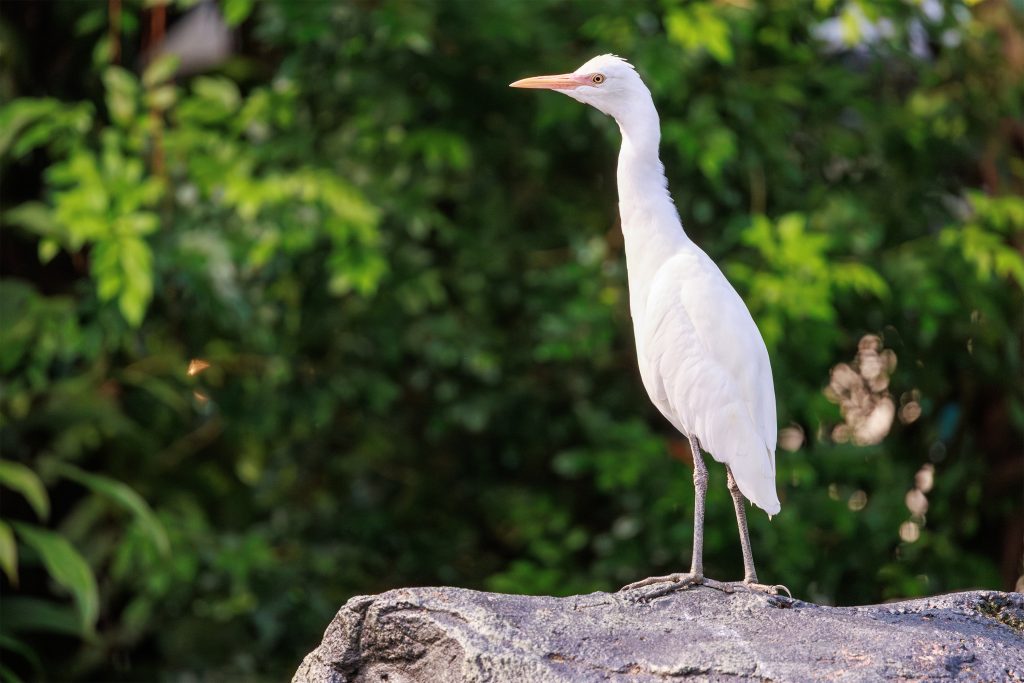
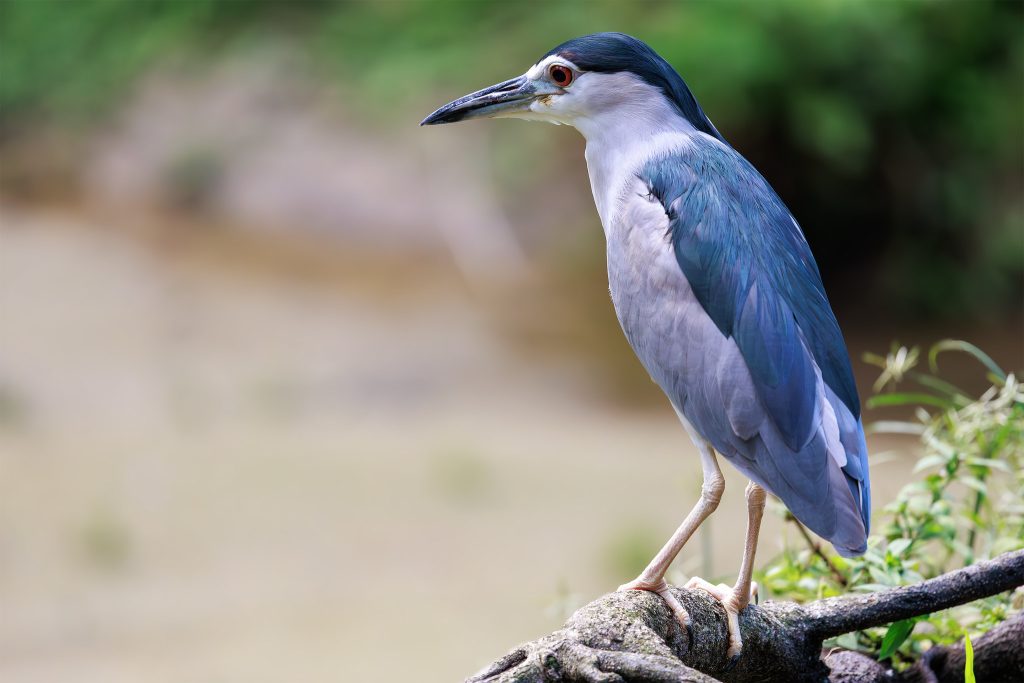
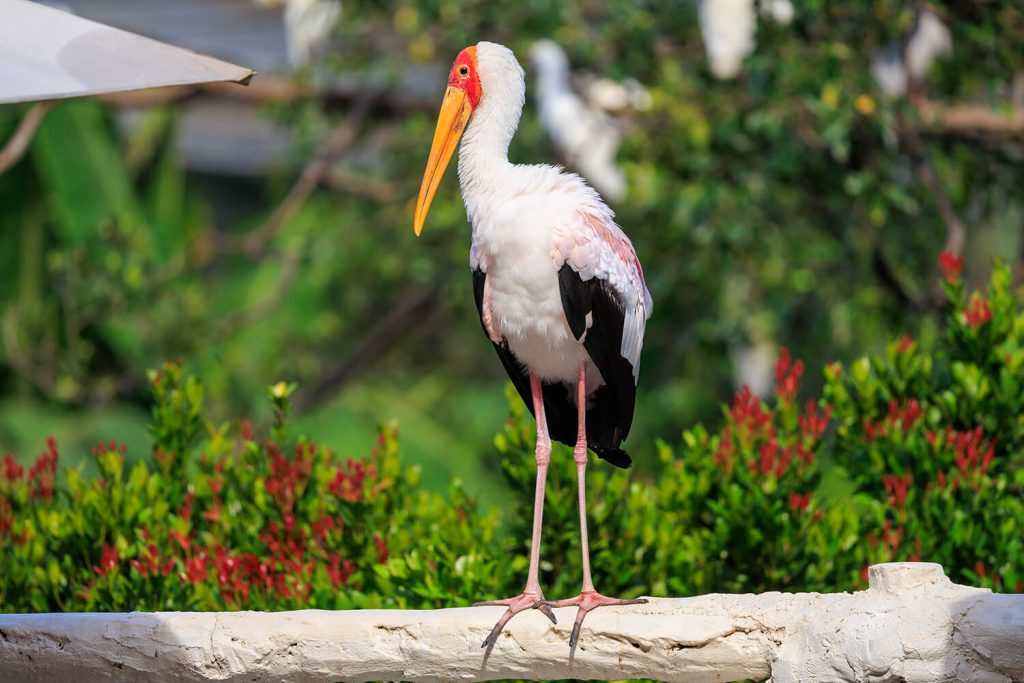
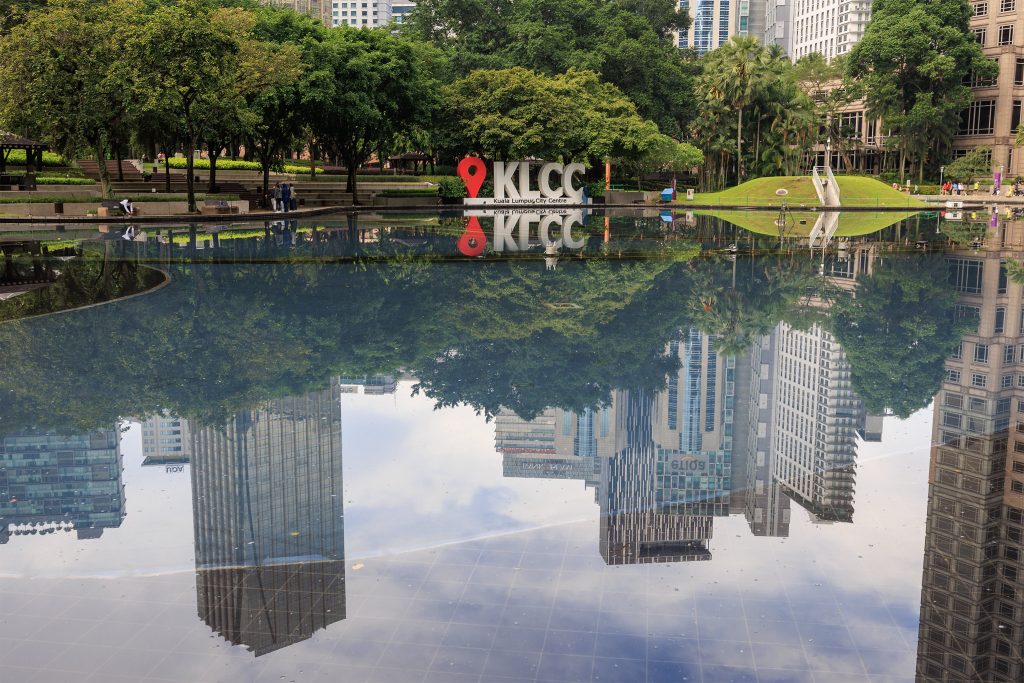
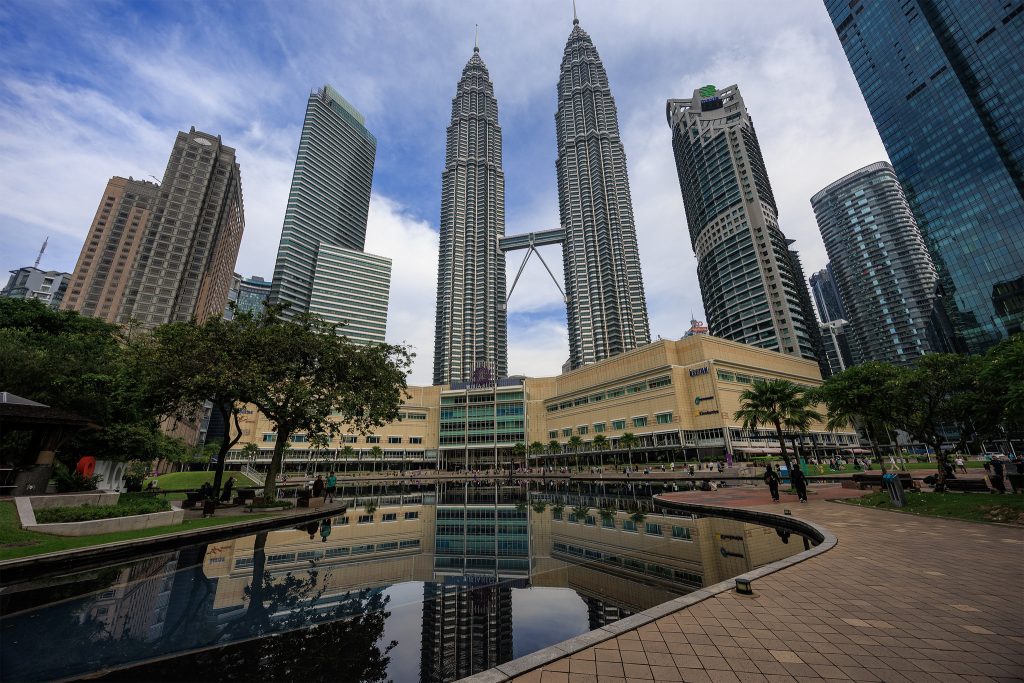
Once I finished my time at the bird park, I headed over to KLCC Park, which is one of the biggest parks in Kuala Lumpur. It is home to the famous Petronas Twin Towers, one of the most iconic buildings in the city. It was fantastic to see the huge twin towers up close.
Braving the Monkeys at Batu Caves
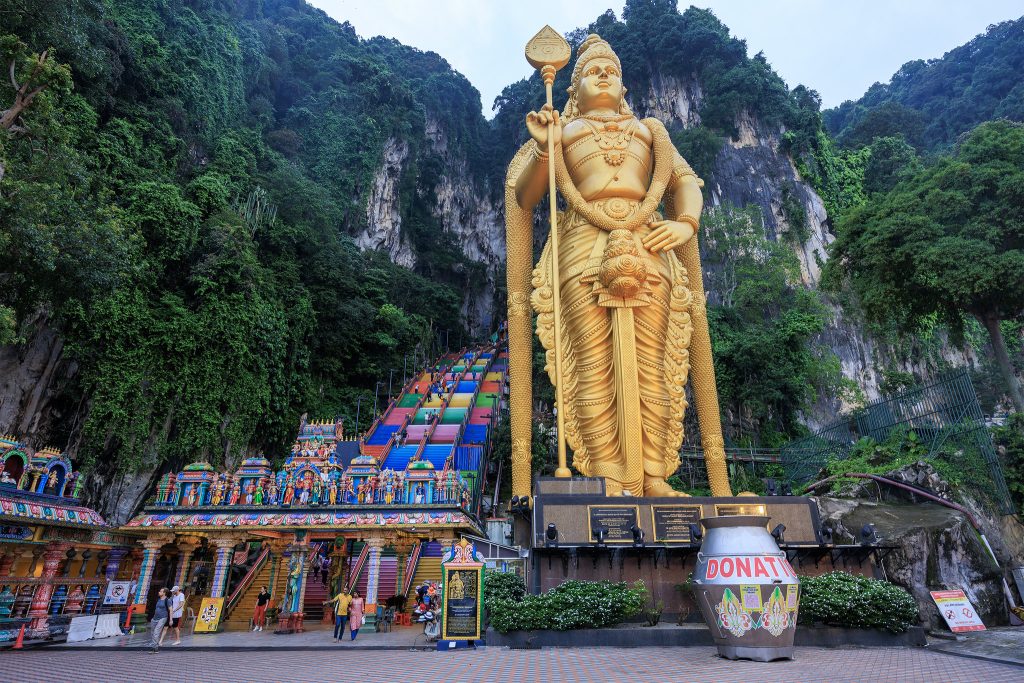
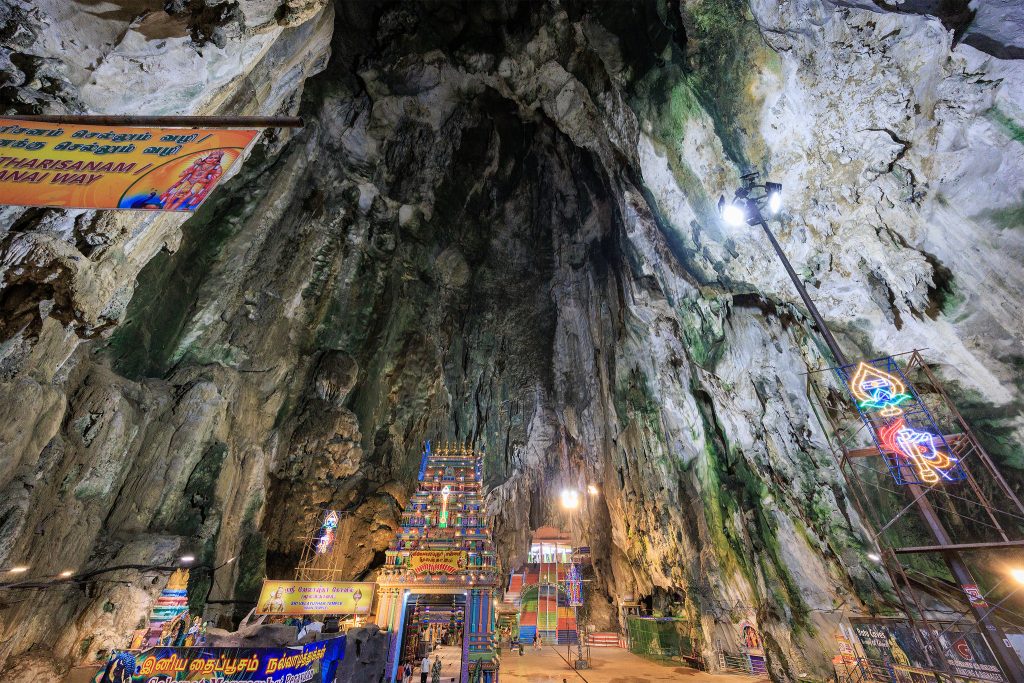
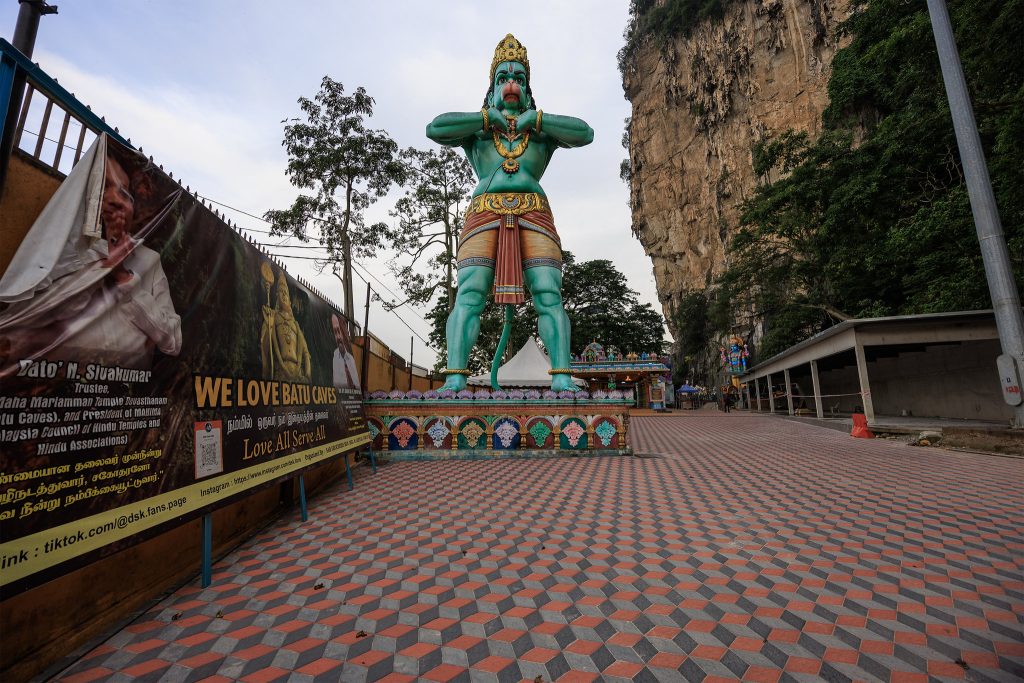
I also spent time at Batu Caves, a religious Hindu temple site. I believe it takes about 272 steps to get to the top of the cave. Once you are inside, you can explore the cavernous spaces, which are incredible to experience.
There are lots of macaque monkeys watching you as you walk up. They are very cheeky; if you have any plastic bags, they will attempt to take them off you. When walking up, you need to ensure that everything is sealed away and avoid carrying loose bottles or plastic bags to prevent the monkeys from stealing them.
Colonial Architecture at Merdeka Square
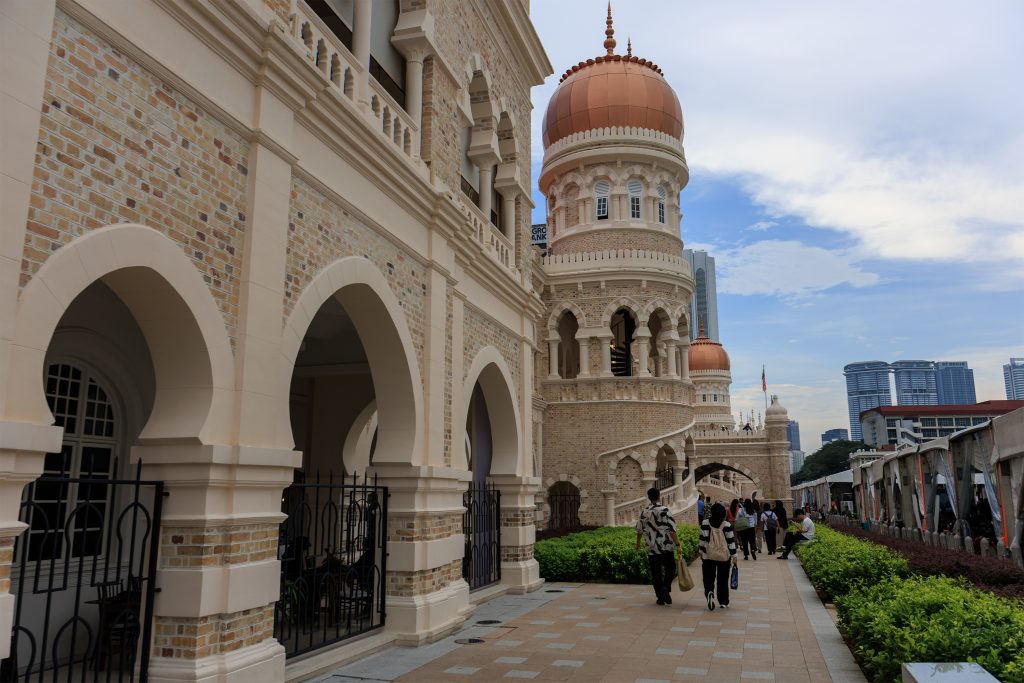
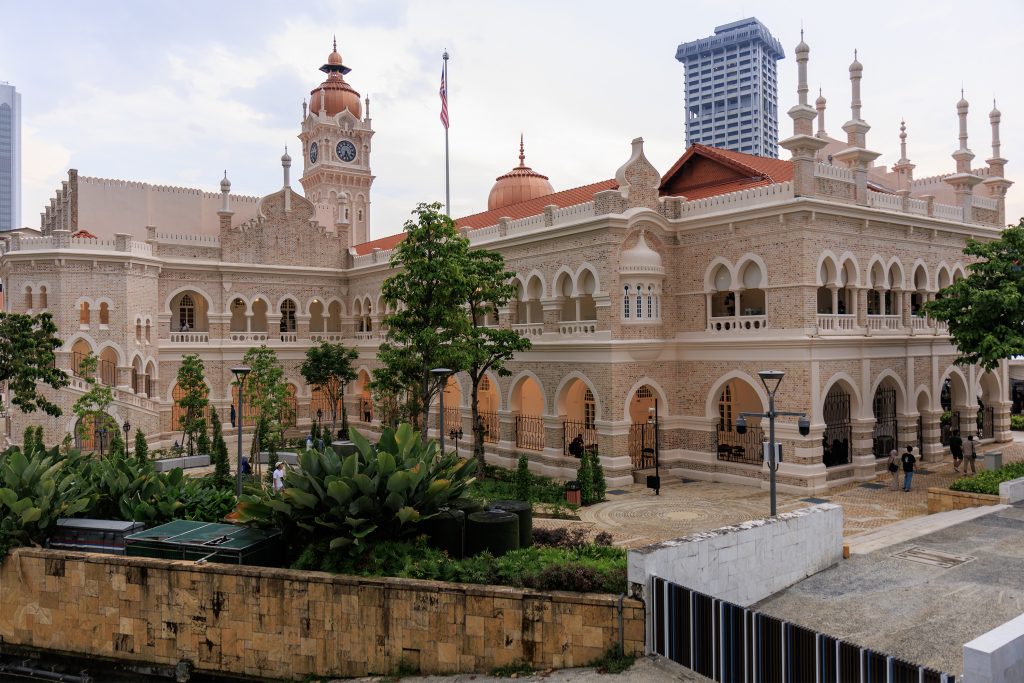
Another highlight of Kuala Lumpur is Merdeka Square. This area features magnificent building structures; the architecture is absolutely stunning and unlike anything I have seen before. This square is where Malaysia declared its independence, so it holds great historical significance and is very popular amongst tourists.
Penang
Getting to George Town
I caught a flight to Penang in the morning. It is a very short flight from Kuala Lumpur they say an hour and 15 minutes, but it only took 45 minutes to arrive. There are alternative options, such as a train from Kuala Lumpur to Penang, but that takes about three hours. Because the price difference between the train and the plane isn’t very large, it is well worth catching a flight.
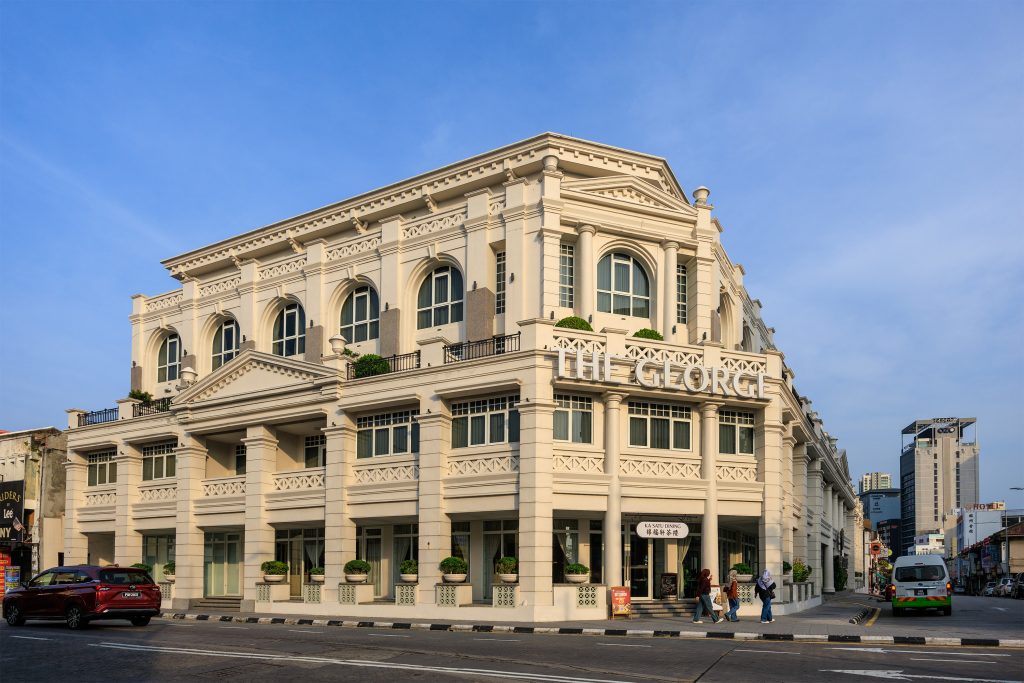
I stayed in George Town, a highly iconic area where a lot of people go to see the street art and graffiti. Arriving in the afternoon, I caught a Grab to my hotel. I stayed in a lovely apartment at the Macallum Central Hotel, which was very affordable and nice. It had a living room, a bathroom, and two bedrooms; I would definitely recommend it if you are staying in George Town.
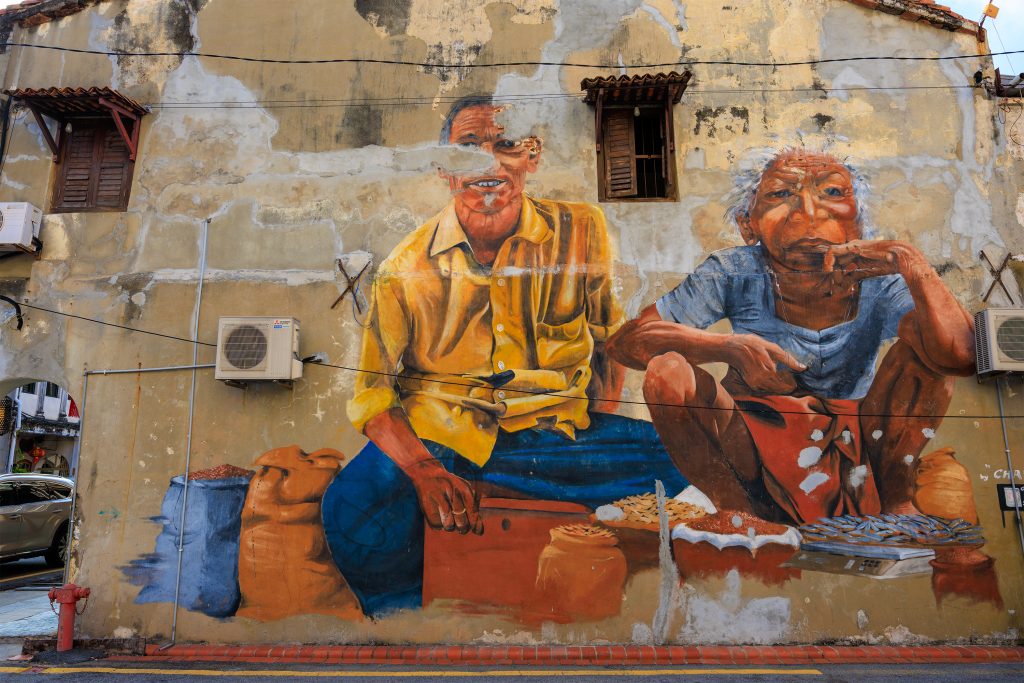
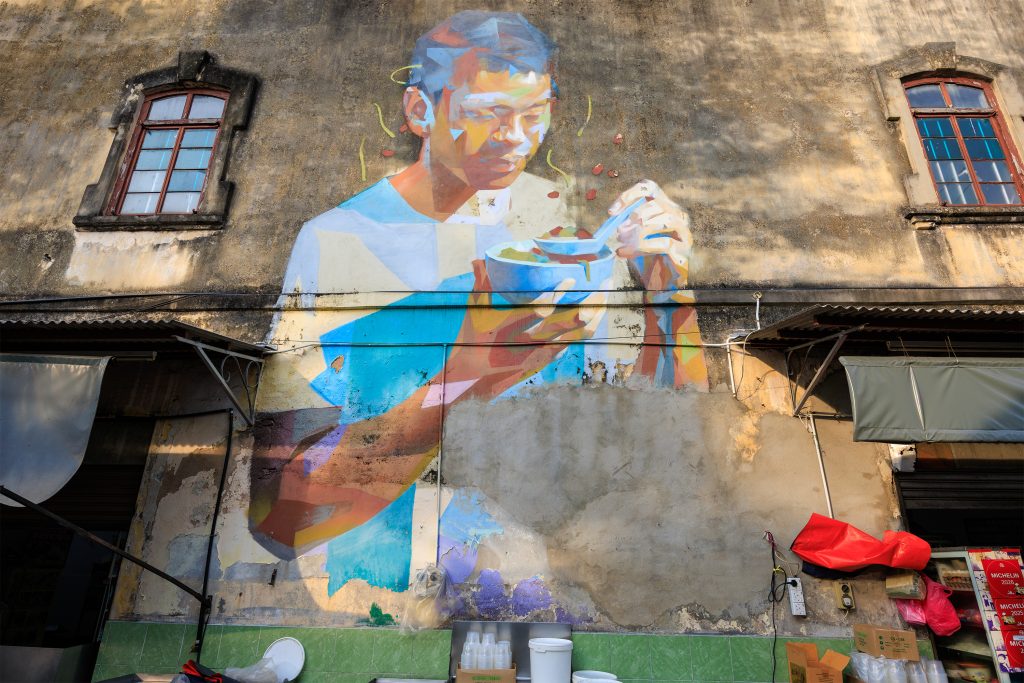
Since I arrived in the afternoon (my flight landed at 2:50 pm and I reached my hotel by about 5:00 pm), I walked down into central George Town to look at some of the iconic graffiti. I then headed over to a famous local food spot, but because it was close to closing time, I was only able to grab a few items a vegetable samosa and a chicken one. I had a walk around, took a few photos, and headed back to the hotel for an early start the next day.
Exploring Penang Hill and The Habitat
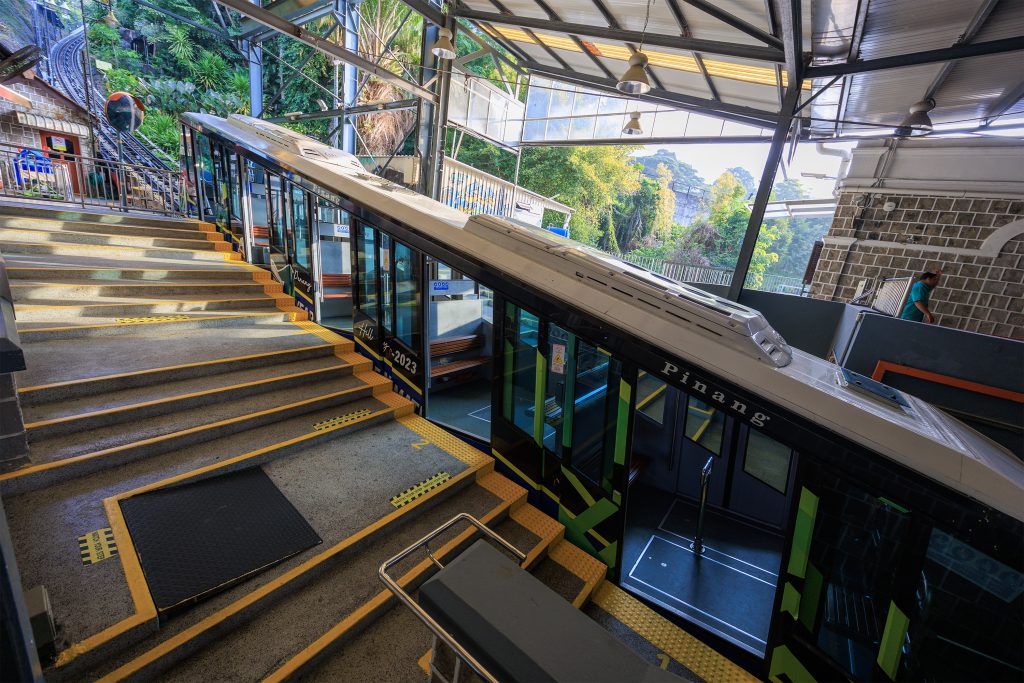
The next morning, I headed over to Penang Hill. They have a funicular railway (a cliff railway train) that takes you to the highest point on the island. The views are amazing, allowing you to see over the whole of George Town. On that particular day, it was very foggy, so it was hard to get a clean shot of the view. Nevertheless, it was a breathtaking experience to be up so high, looking out over George Town, Penang, and the sea.
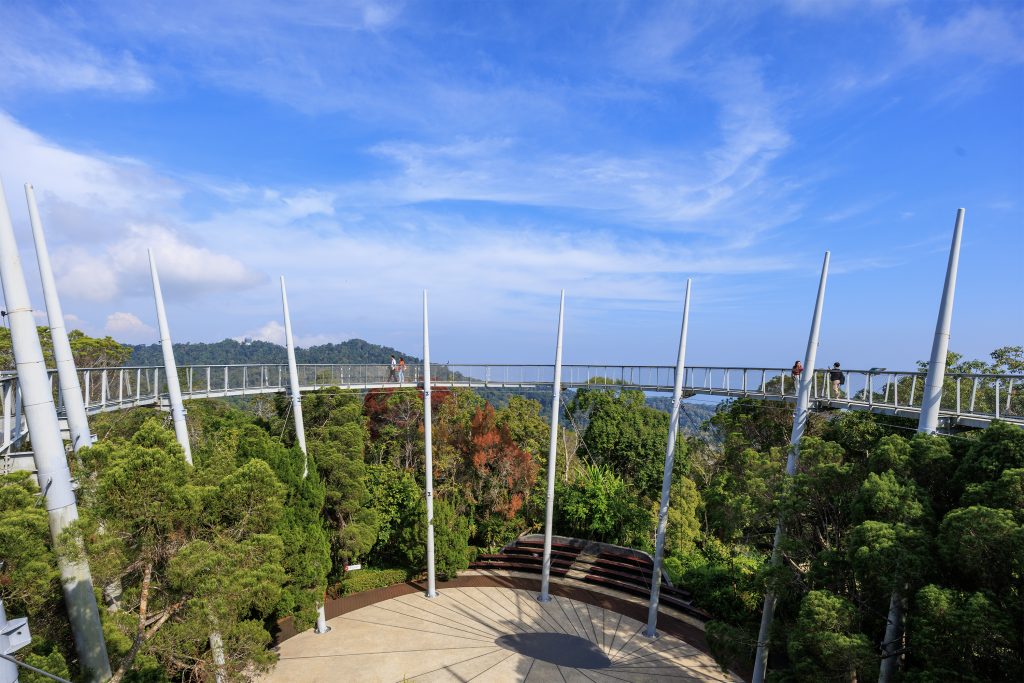
Penang Hill offers a variety of things to do. There are temples to visit, including a mosque and a Hindu temple at the top, offering great architecture for photos. A recent addition is The Habitat, which features a canopy boardwalk tower where you walk above the treetops. You can see loads of different birds, macaques, and squirrels. It offers an amazing 360-degree viewing deck that is highly elevated, allowing you to see the entire rainforest. I really enjoyed this experience. They have loads of different walking trails which take about an hour to walk around at a leisurely pace. If you want to sit down to do some photography and capture the birds, you could easily spend a lot more time there. It is a very good place to visit and highly recommended.
Kek Lok Si Temple and the Botanical Gardens
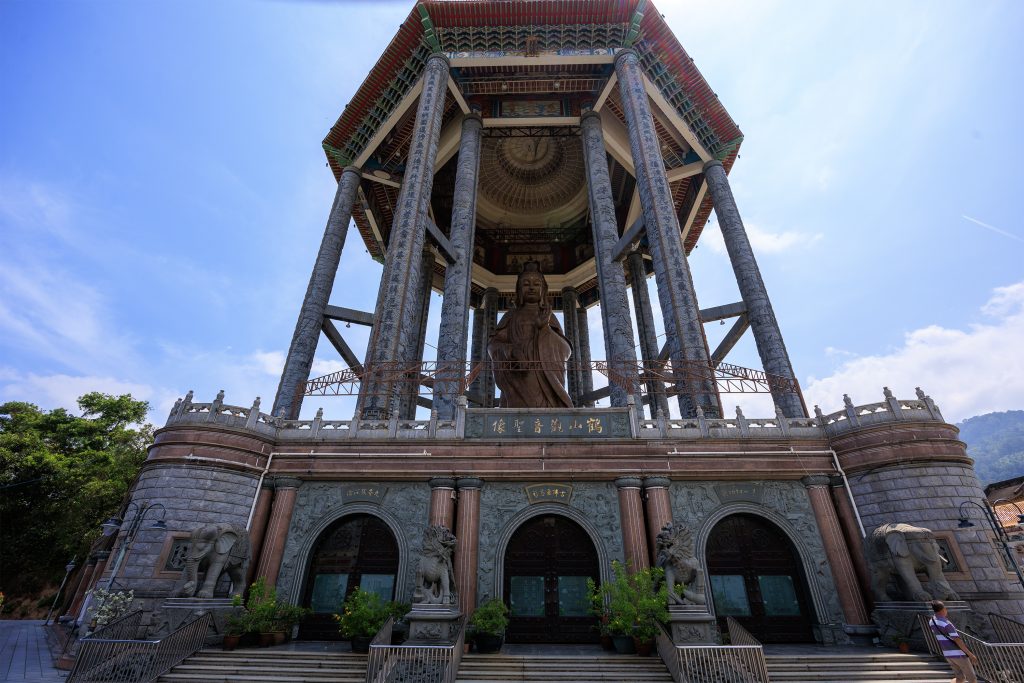
After spending half the day there, I headed over to Kek Lok Si Temple in the afternoon, which is a massive temple complex in Penang. It was a great experience. You can pay a small fee to use the inclined lift to access the different levels. You can go inside the temples, which are active religious sites, so you need to be respectful of the people praying. At the very top floor, there is an iconic, massive bronze statue of Kuan Yin. You can either walk all the way back down via the pathways or pay a fee to catch the lift back to the ground floor. It is a beautiful temple and an experience you definitely shouldn’t skip.
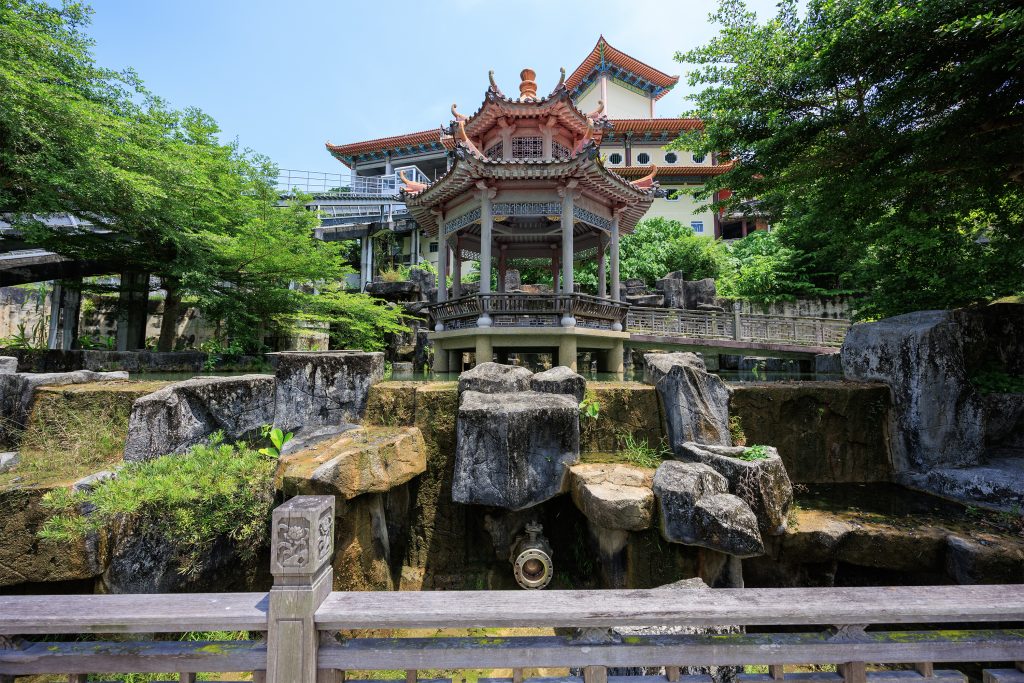
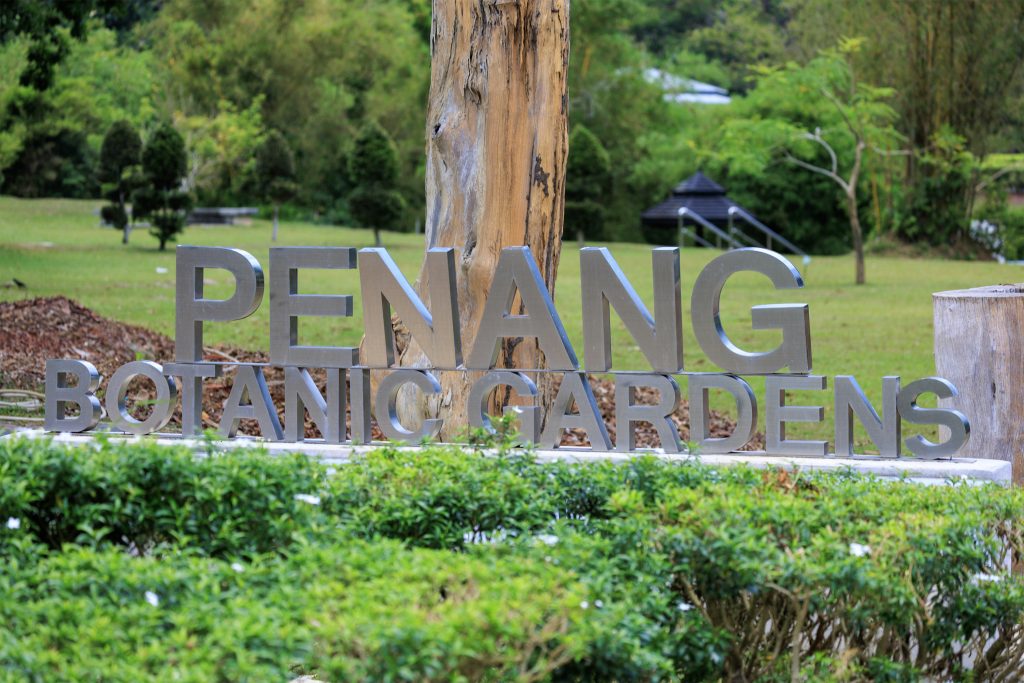
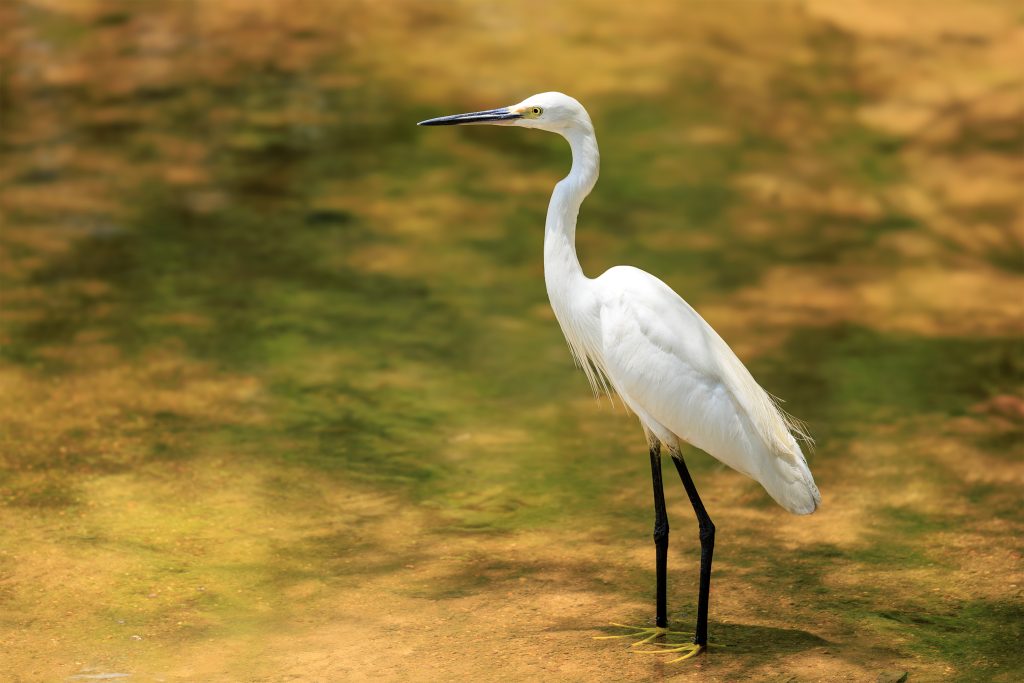
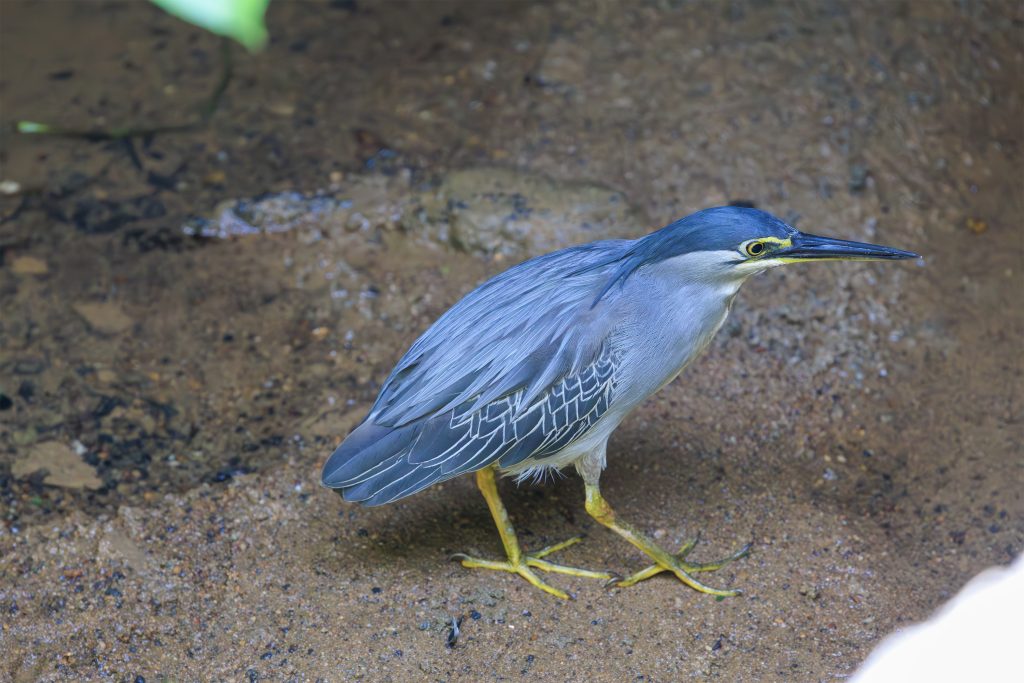
Next, I headed over to the Penang Botanical Gardens for a wander. I did some wildlife photography, capturing photos of various birds and monkeys. It was a lovely, quiet, and empty place to walk. I saw a Kingfisher, a Little Egret, and a Night Heron. It was a very rich place for wildlife. I can imagine that getting there early in the morning would make it a prime spot to watch the birds feeding.
Street Food and Photographing Graffiti
Right next to my hotel, there were street food vendors where you could experience a bunch of different dishes, particularly Chinese cuisine. It was great for enjoying cheap, affordable food in the evening.
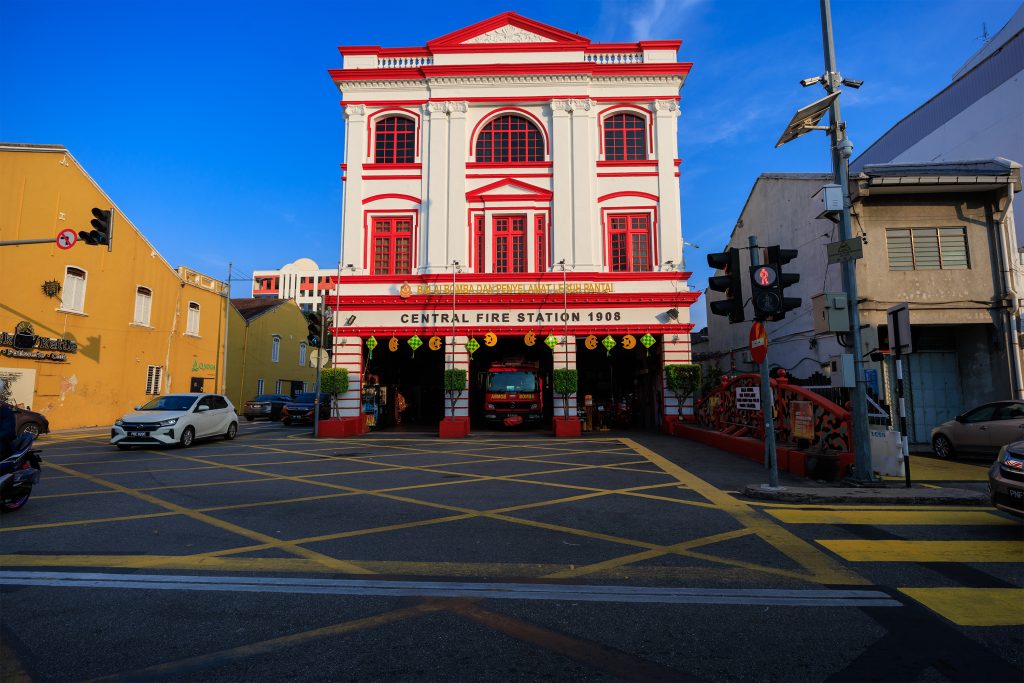
The following day consisted of walking around George Town. The night before, I had mapped out all the locations of the iconic graffiti pieces. In the morning, I ran around to photograph those pieces of art. Walking around George Town, taking in the culture, and seeing the historic buildings was highly enjoyable.
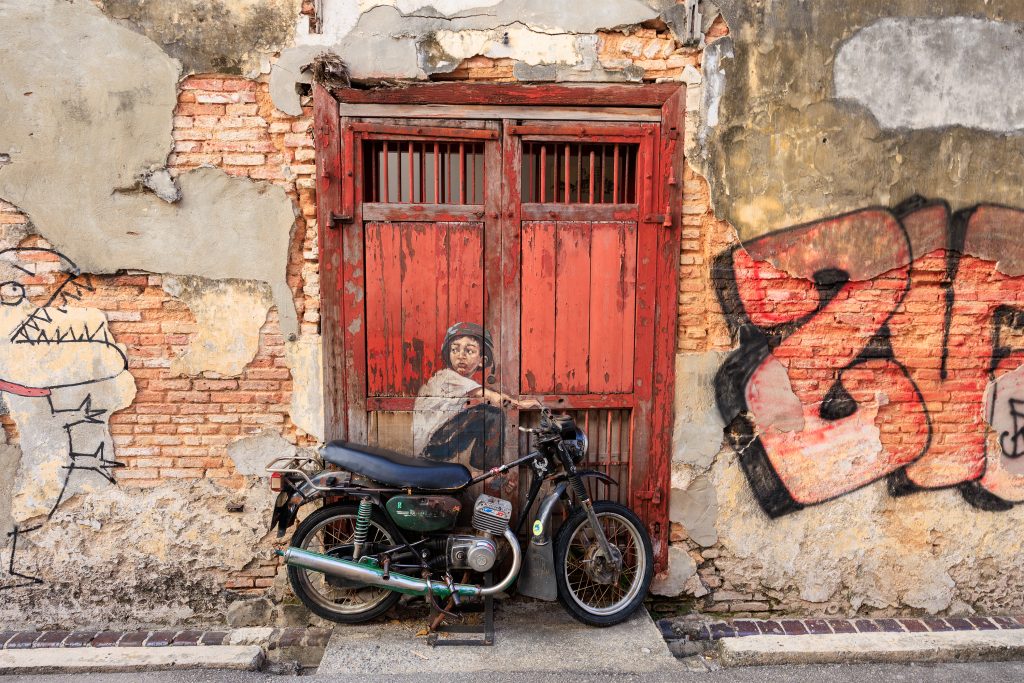
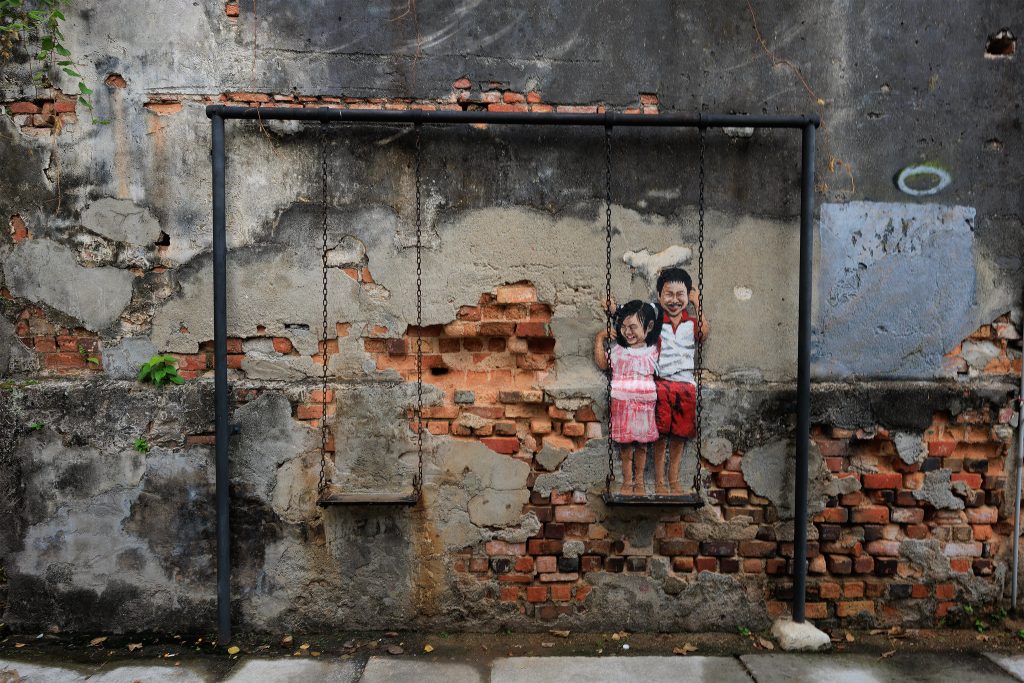
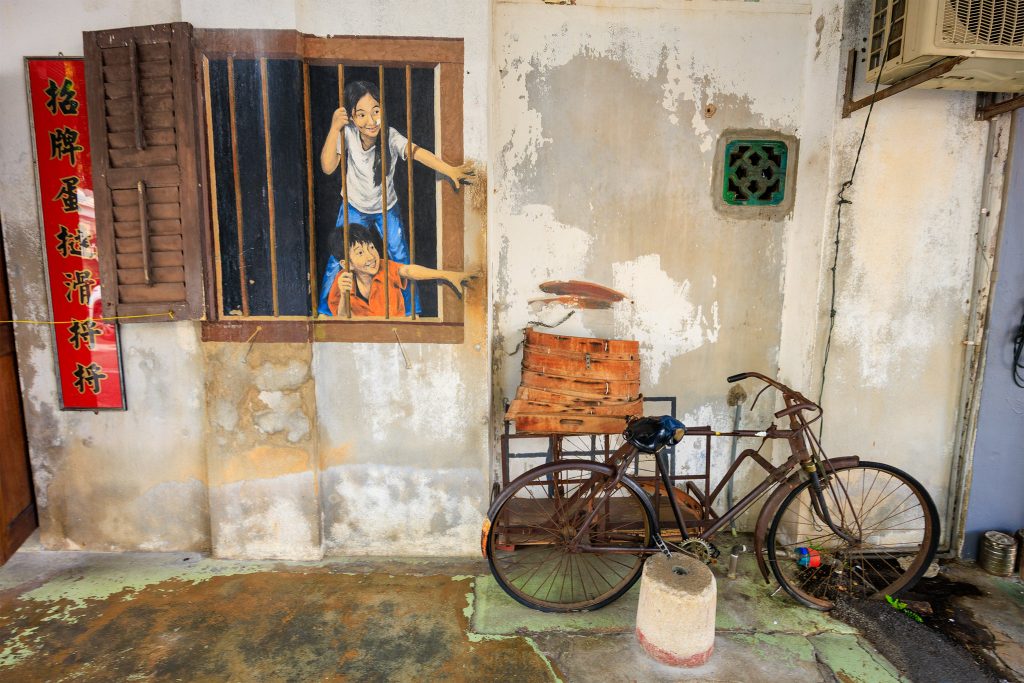
I checked out of my accommodation at 12:00 pm and transferred to a hotel closer to the airport because I had an early flight the next morning to Sandakan, Sarawak (Borneo) via Kuala Lumpur. I arrived in East Malaysia in the evening, ready to spend the next couple of days exploring.
Borneo – Sepilok
Sunrise at the Rainforest Discovery Centre
I arrived at the Sepilok B&B in the evening. It was dry when I arrived, so I had a meal and headed straight to my room to get a good night’s sleep before an early start. Staying at the Sepilok B&B was excellent because it is in very close proximity to the Rainforest Discovery Centre (RDC)—a renowned wildlife destination home to various bird species and famous for visits from hornbills.
I headed to the rainforest as soon as it opened at 8:00 am. I was the first person in line to get into the park.
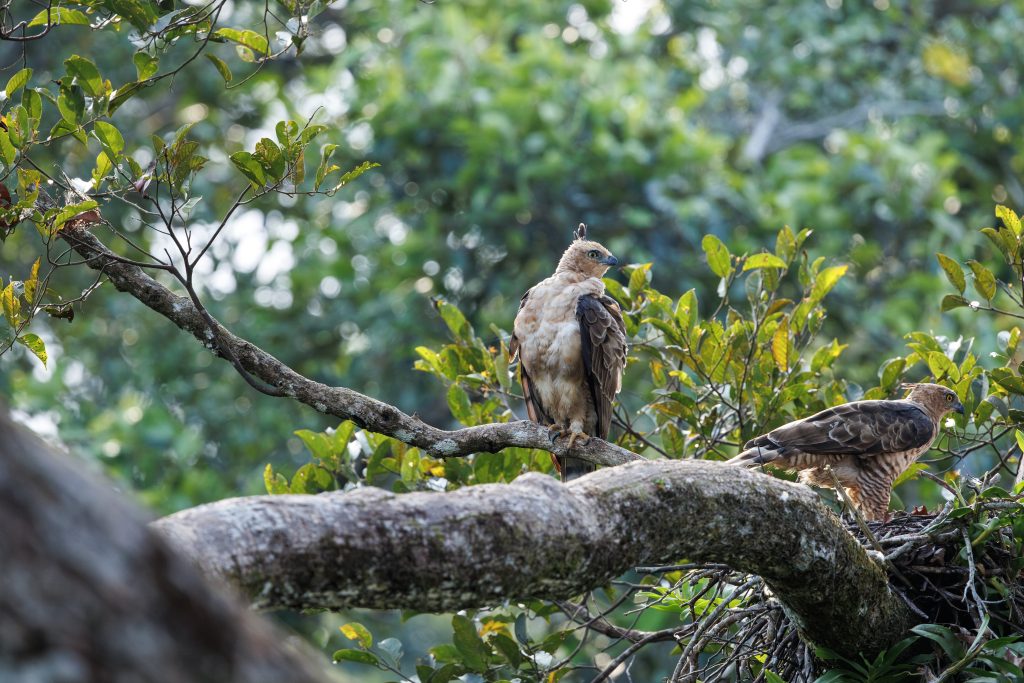
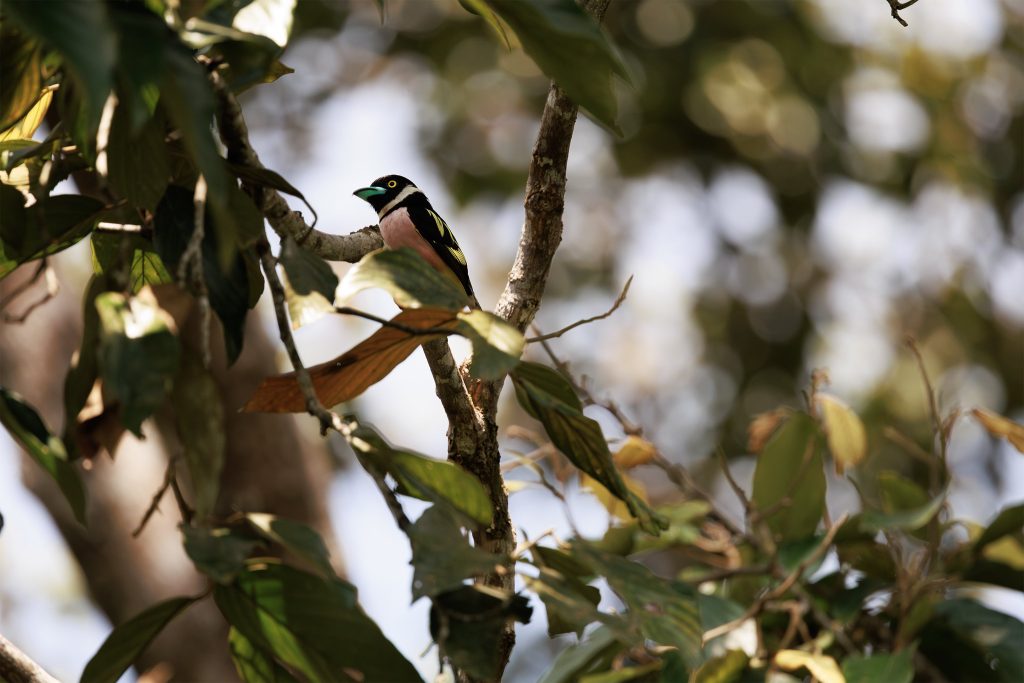
Top Tip: The RDC offers an early-entry ticket, but you have to purchase it the day before. While the park officially opens at 8:00 am, this special ticket allows you to enter at 6:00 am. This lets you experience the rainforest as the sun starts to rise, when the park is much quieter and there is less disturbance from other visitors—which is ideal for wildlife viewing.
Sepilok Orangutan Rehabilitation Centre
After 90 minutes, I walked over to the Sepilok Orangutan Rehabilitation Centre, which is just under a mile away. It is a very easy, flat route where it is almost impossible to get lost. The only thing to bear in mind is that you are walking directly in the sun, so remember to bring water and sunglasses.
Upon arriving at the rehabilitation centre, you buy your tickets. You are not allowed to bring any bags onto the viewing platforms, so they provide a secure storage area. You put your bags and loose items into a locker, pocket the key, and head out.
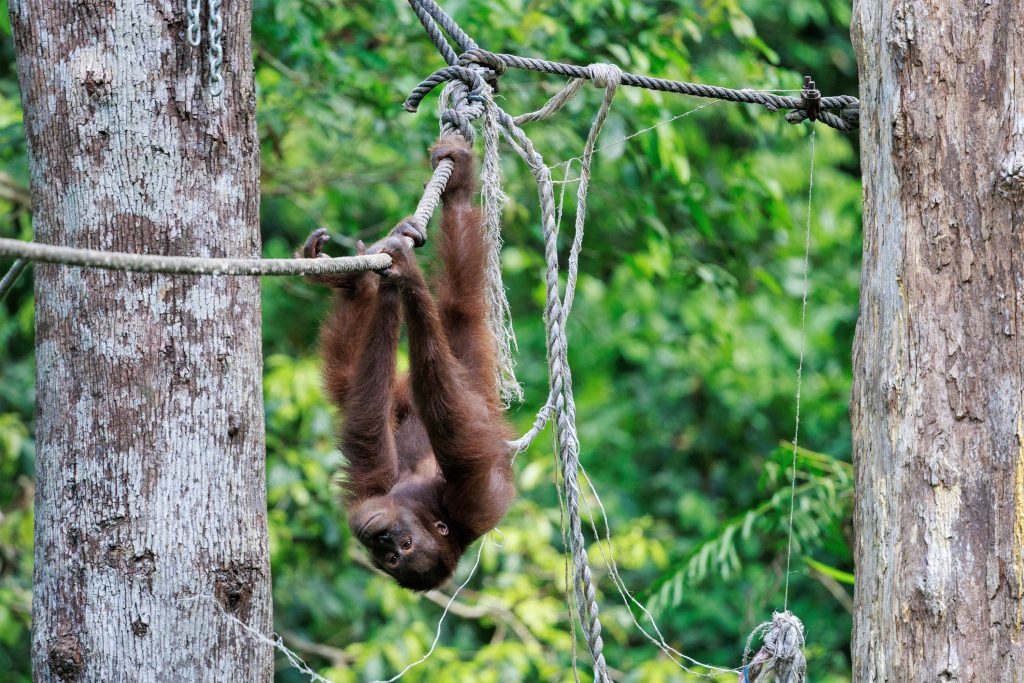
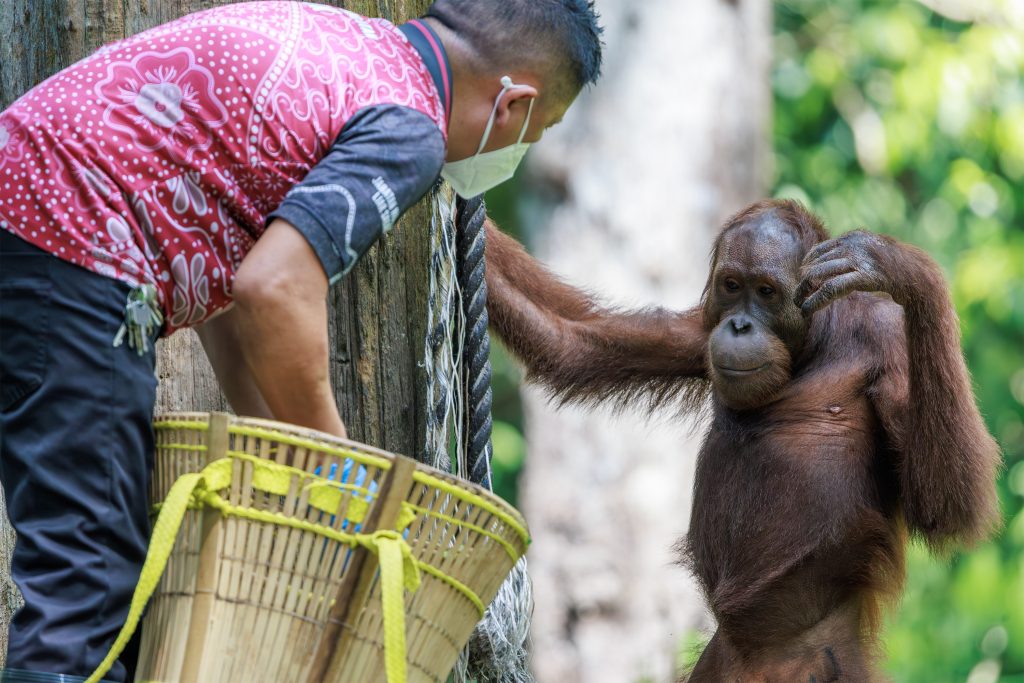
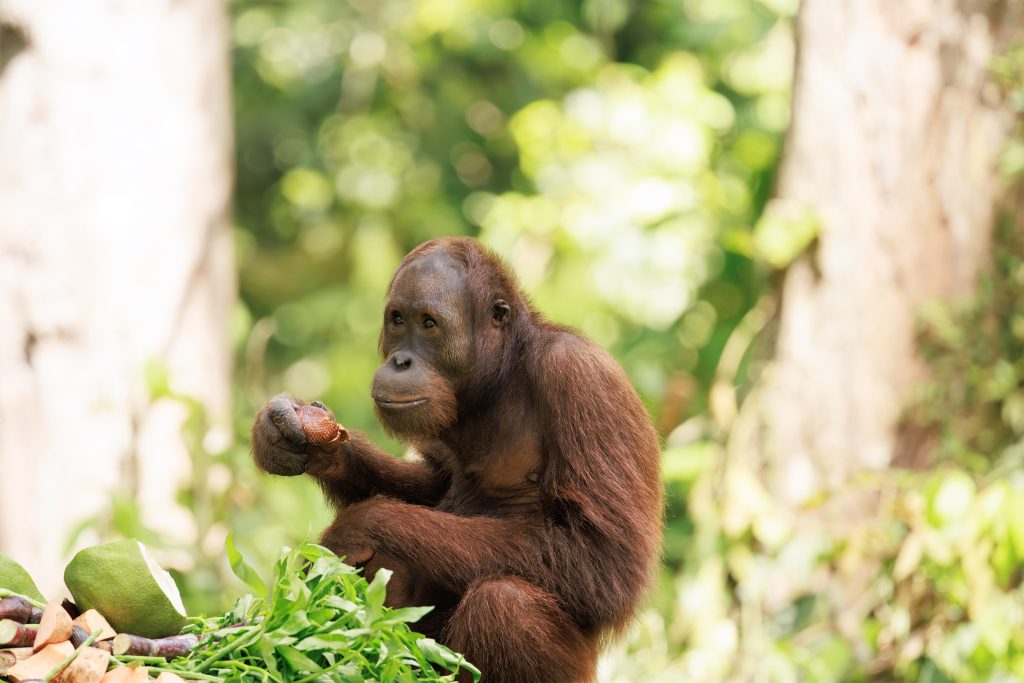
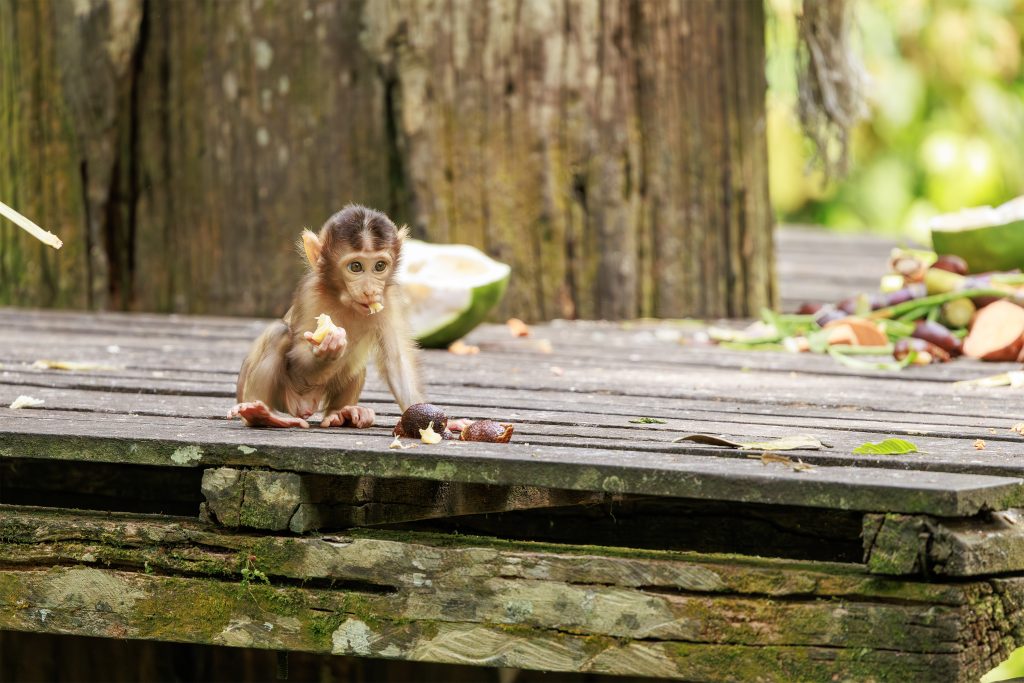
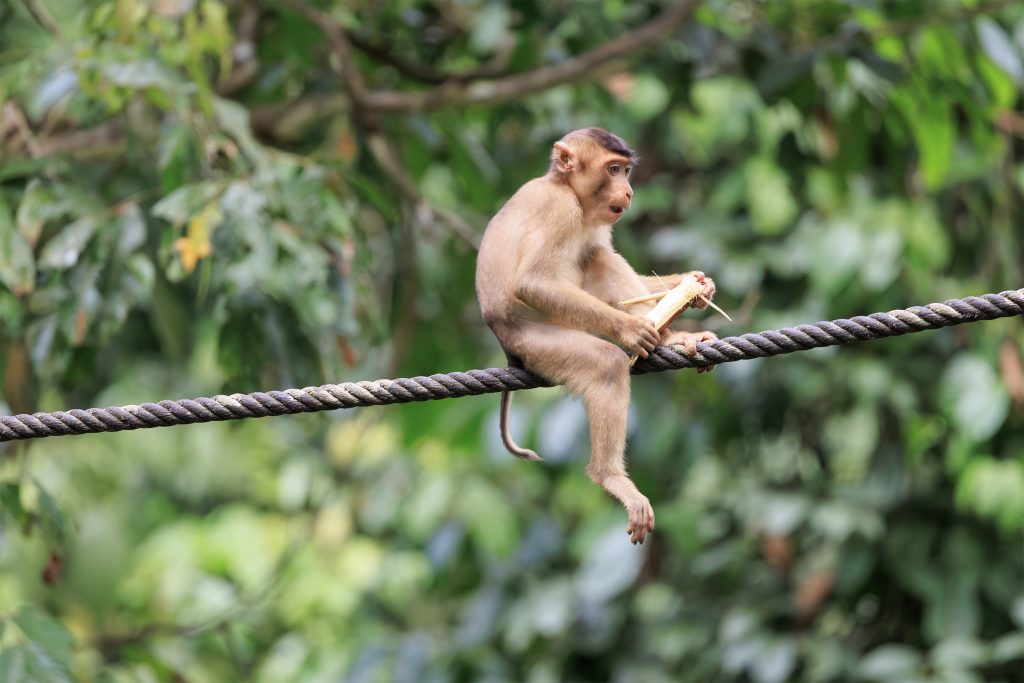
If you arrive before the 10:30 am feeding time, you can visit the outdoor nursery, which is dedicated to younger orphaned orangutans. They also have a main feeding deck where semi-wild orangutans can come in from the reserve to feed on fruit. Because it is an open rainforest, other animals can access the deck too; the platform was joined by some pig-tailed macaques who indulged in the fruits. It was lovely to see the mothers and small baby macaques alongside the orangutans, which were definitely the star attraction.
Bornean Sun Bear Conservation Centre
After getting some great photos, I headed over to the Bornean Sun Bear Conservation Centre, which is located literally opposite the orangutan site. This makes it incredibly handy to do both in one visit, though they are separate facilities so you do have to pay a separate entrance fee.
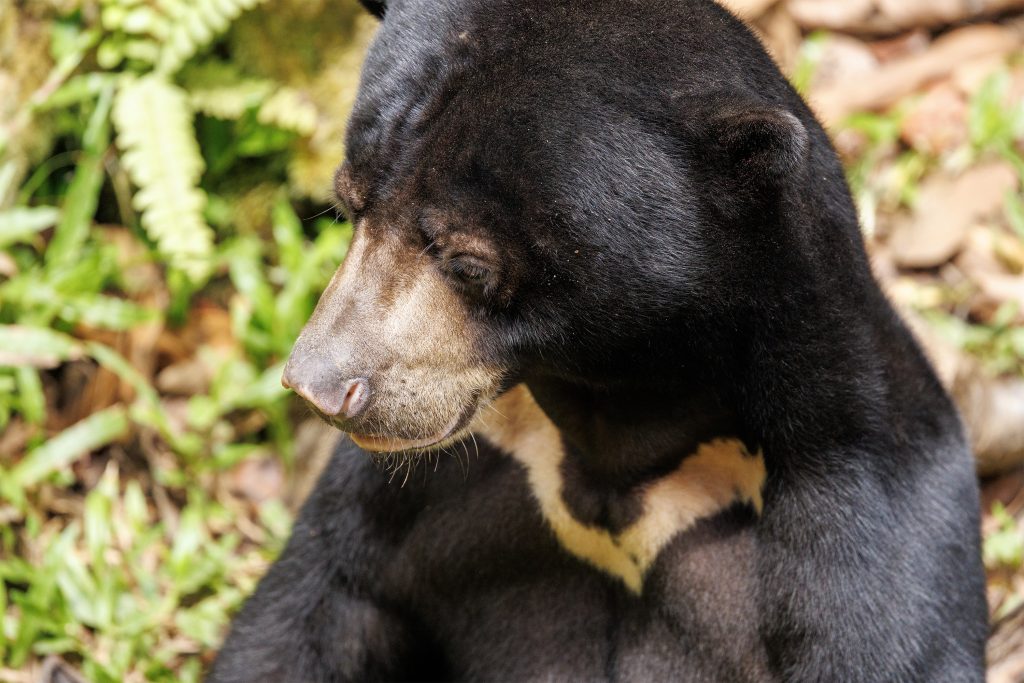
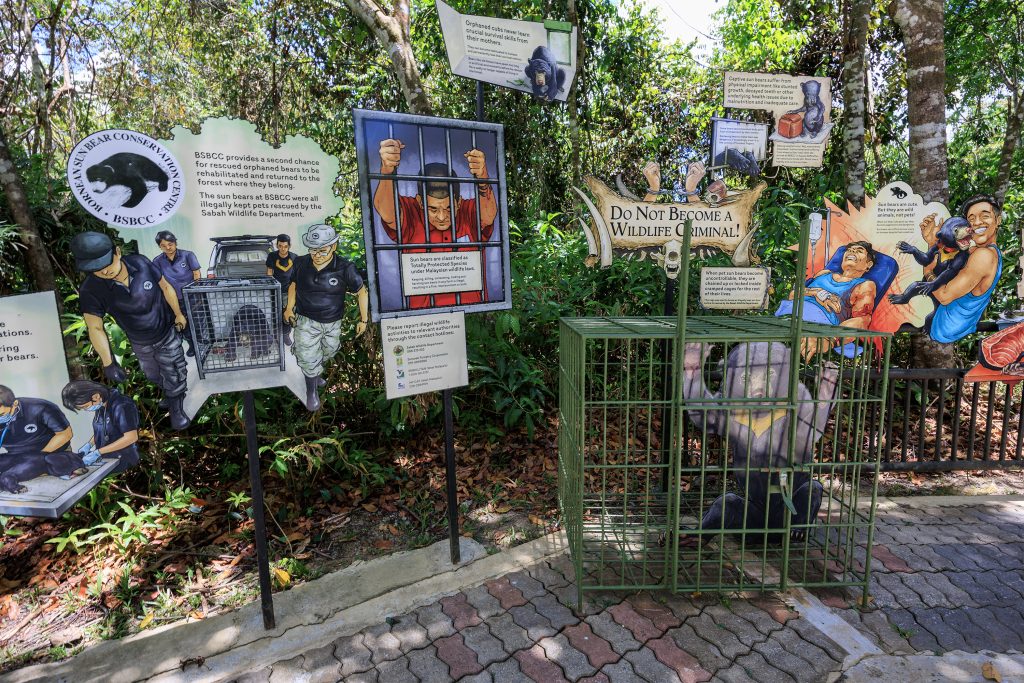
The centre has around 40 rescued sun bears and features large forested enclosures with viewing platforms. The bears can roam, forage, and bathe, but unlike the orangutans, they cannot come and go into the wider wild as they please. It is a large, natural enclosure that provides ample space and all the necessities they would have in the wild. Many of these sun bears were rescued from places where they were mistreated, kept as pets, or commercialised in private zoos. Sadly, because they have been domesticated or traumatised, many can never be fully released back into the wild and will live at the centre for the foreseeable future. The centre is highly educational, with excellent signage explaining the mission and the rescue efforts being made.
Up Close with Proboscis Monkeys at Labuk Bay
After my sun bear visit concluded, I headed back to my accommodation, grabbed a late lunch, and then visited the Labuk Bay Proboscis Monkey Sanctuary. I took a taxi from my accommodation, and paid the driver a fee to wait for me.
There are various scheduled feeding times throughout the day. This sanctuary was one of the absolute highlights of my trip because of the incredibly close proximity you get to the proboscis monkeys. They come right onto the wooden boardwalk platforms, literally metres away from you. This allowed me to capture highly detailed portraits, close-up headshots, and intricate photos. I was incredibly pleased with the shots I got there.
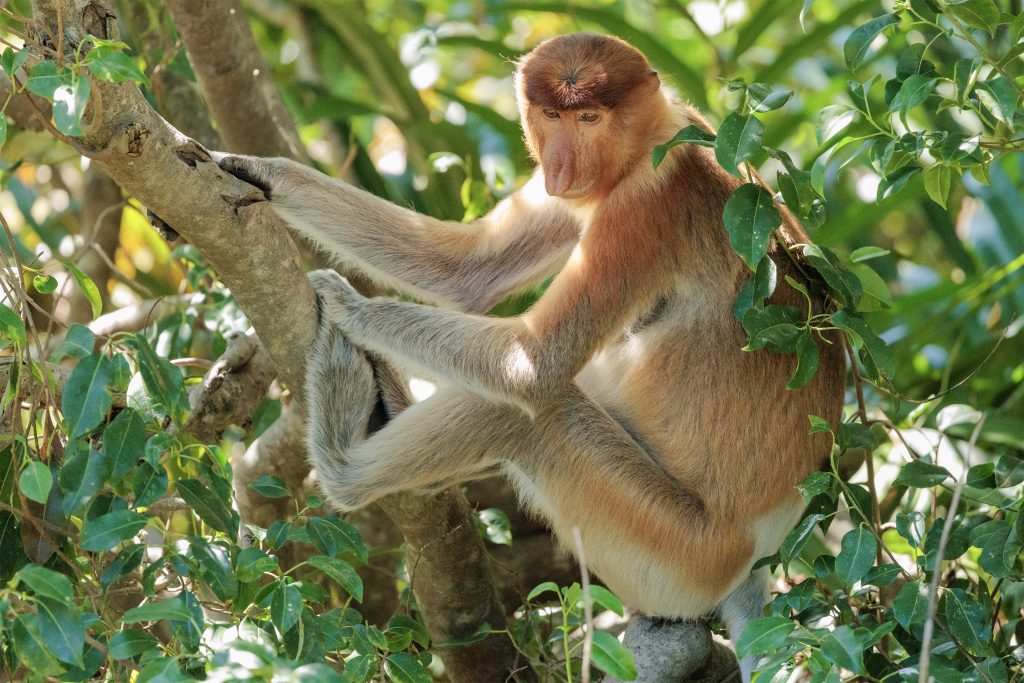
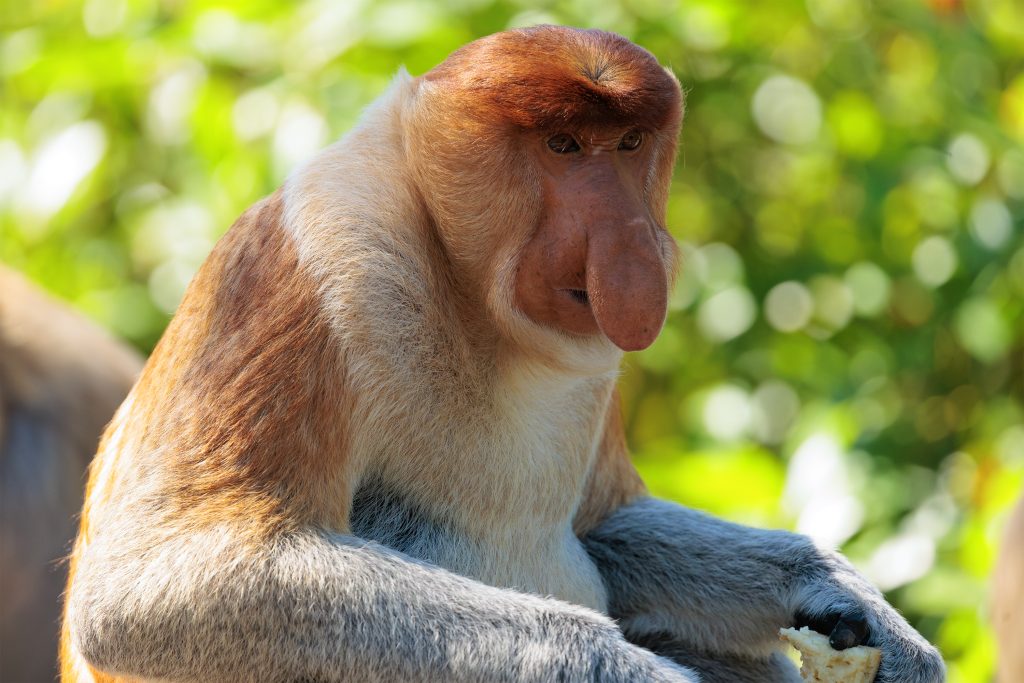
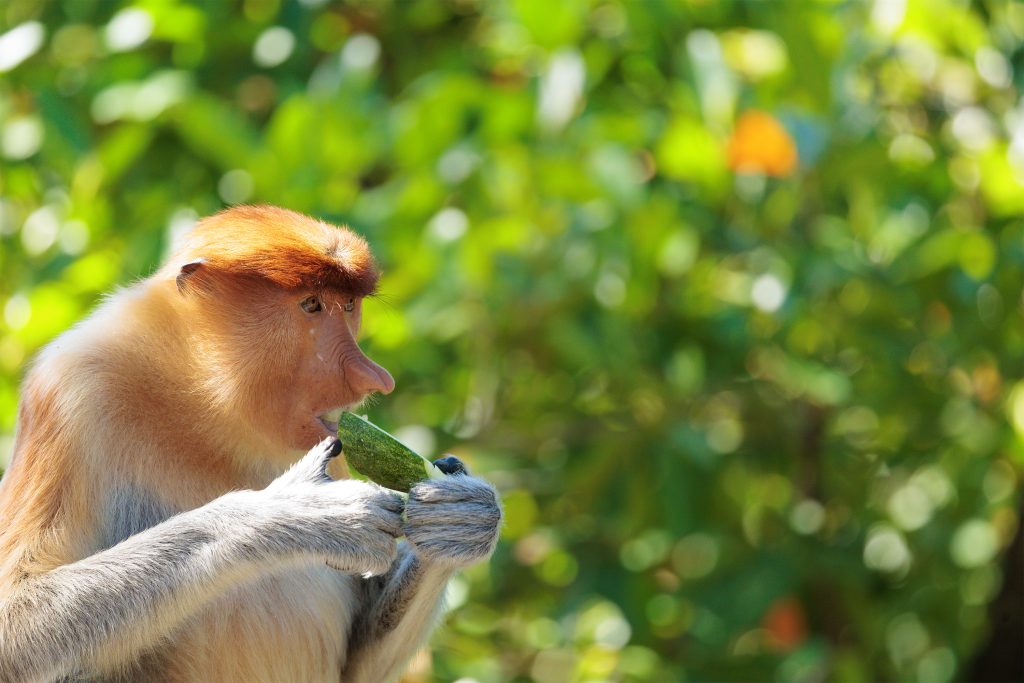
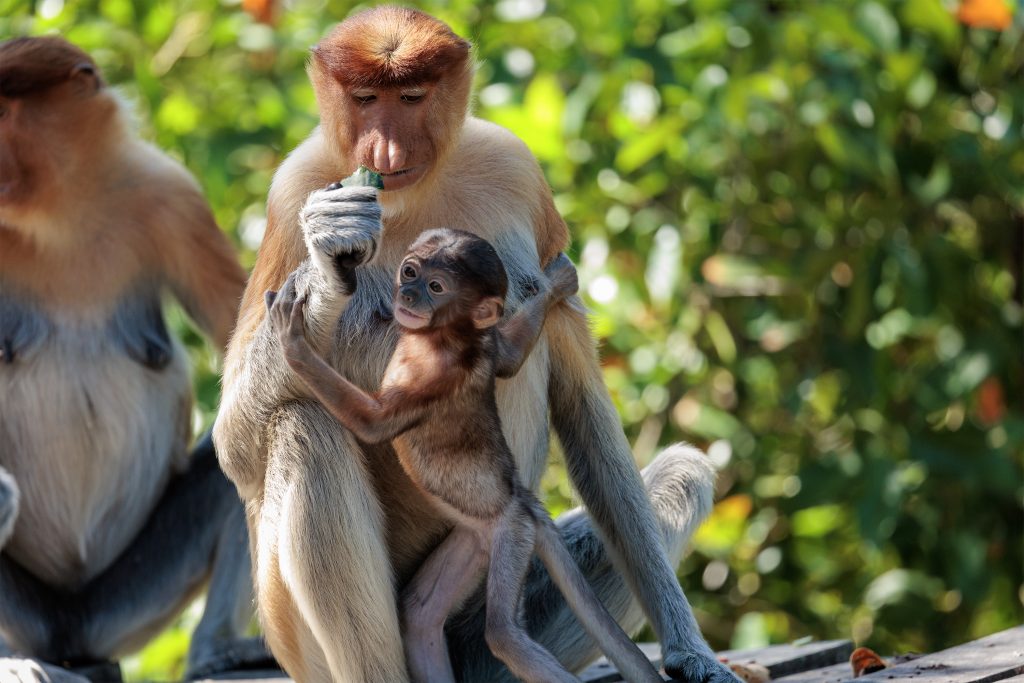
The RDC day pass is valid for the whole day, so I chose to head back there for another hour or two in the late afternoon before returning to my B&B to unwind. The next day, I was scheduled to start a river cruise safari with a touring company called River Junkie.
Kinabatangan River
Day 1: Cruising and Ticking Off the “Big 5”
Day one of my river safari along the Kinabatangan River began with a 12:45 pm pickup. River Junkie picked me up directly from Sepilok B&B. The journey took two hours to reach Nature Lodge Kinabatangan.
Upon arrival, we were briefed on how the itinerary would play out and what to expect. The evening plan consisted of a river cruise. We checked in at 3:00 pm, and the cruise began at 4:00 pm, giving us just enough time to refresh, shower, and get ready.
The river cruise vastly exceeded my expectations. Anyone travelling to Borneo hopes to see the “Big 5″—the five most iconic wildlife species on the island:
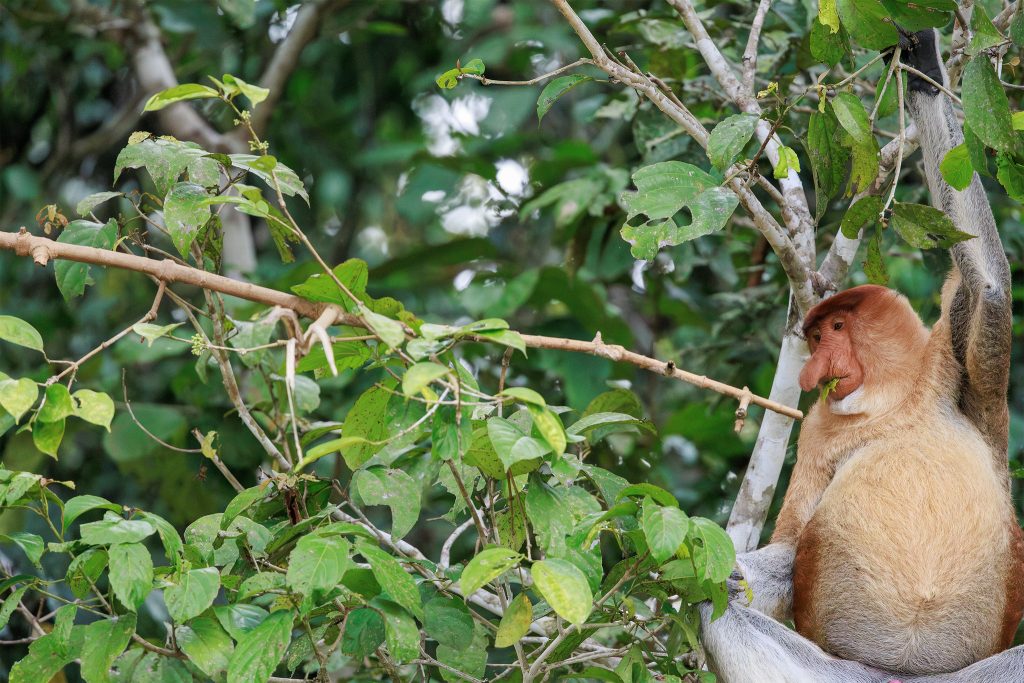
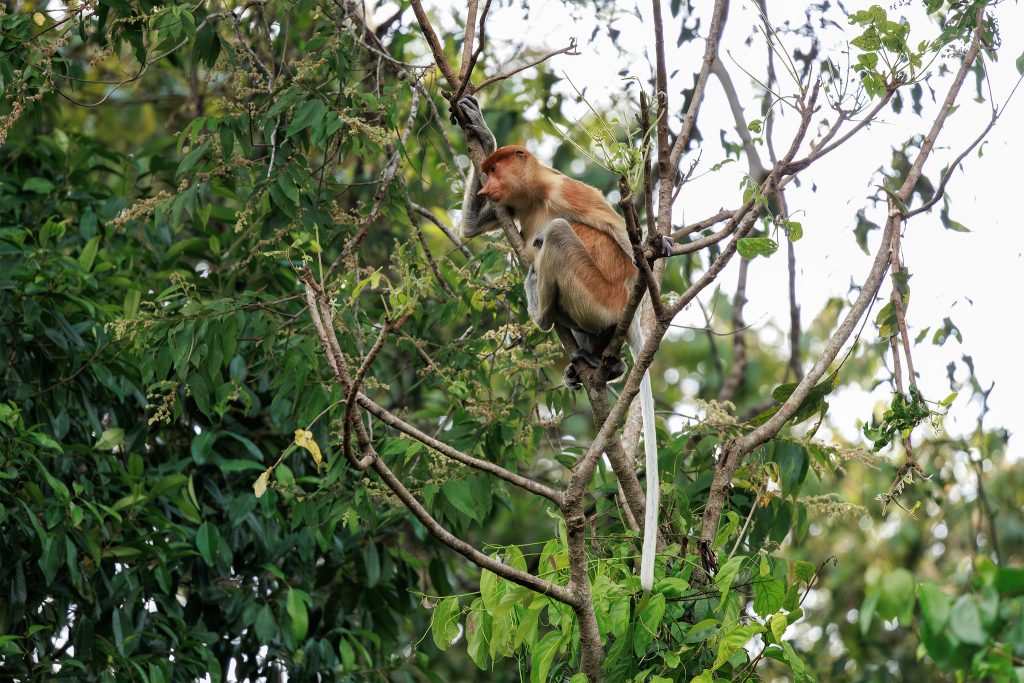
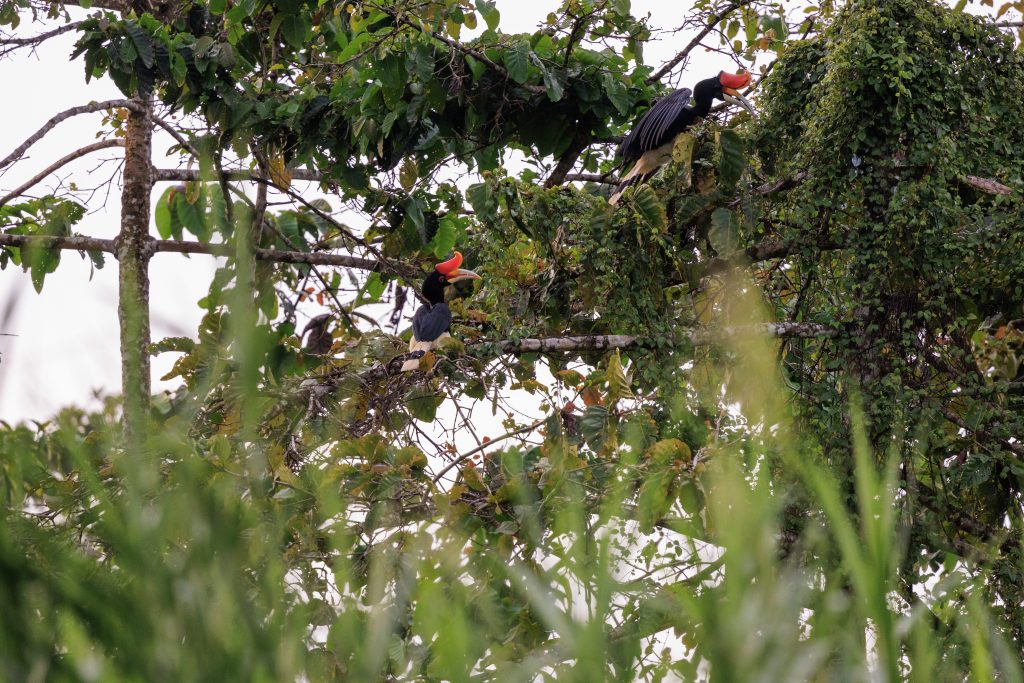
- Rhinoceros Hornbills
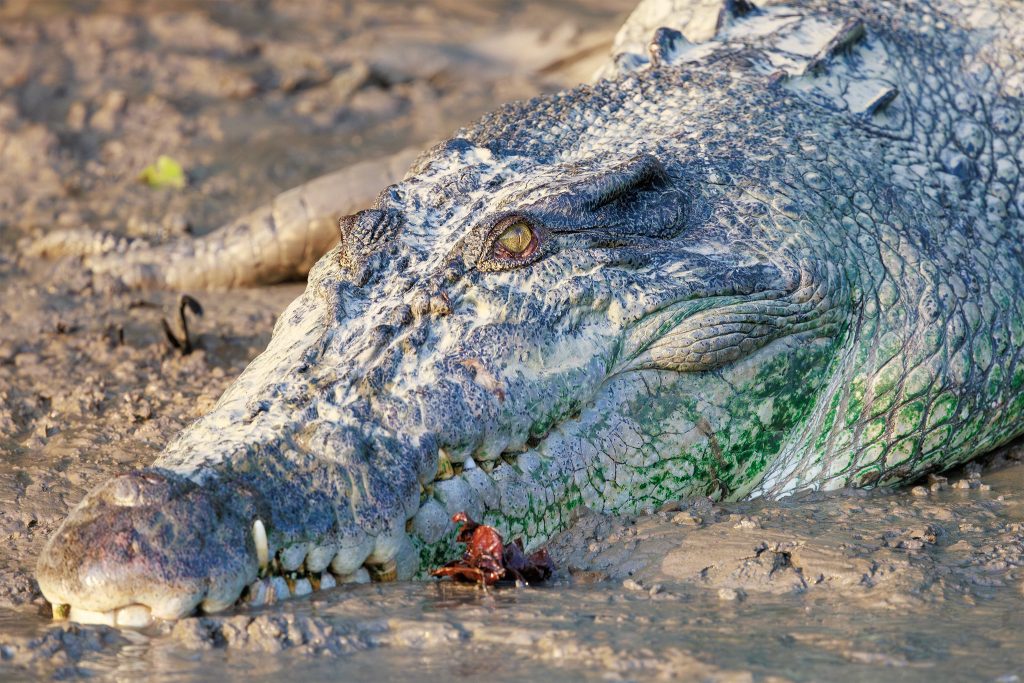
On this very first cruise, we saw four out of the five! The only one that evaded us was the pygmy elephant. We saw proboscis monkeys, macaques, saltwater crocodiles, a Blue-eared Kingfisher, and a Stork-billed Kingfisher. We even saw three different species of hornbills, including the majestic Rhinoceros Hornbill flying right over the river. It was a jam-packed route, and we were able to get incredibly close to the kingfishers and other wildlife, resulting in some eye-catching shots. It was an unforgettable experience.
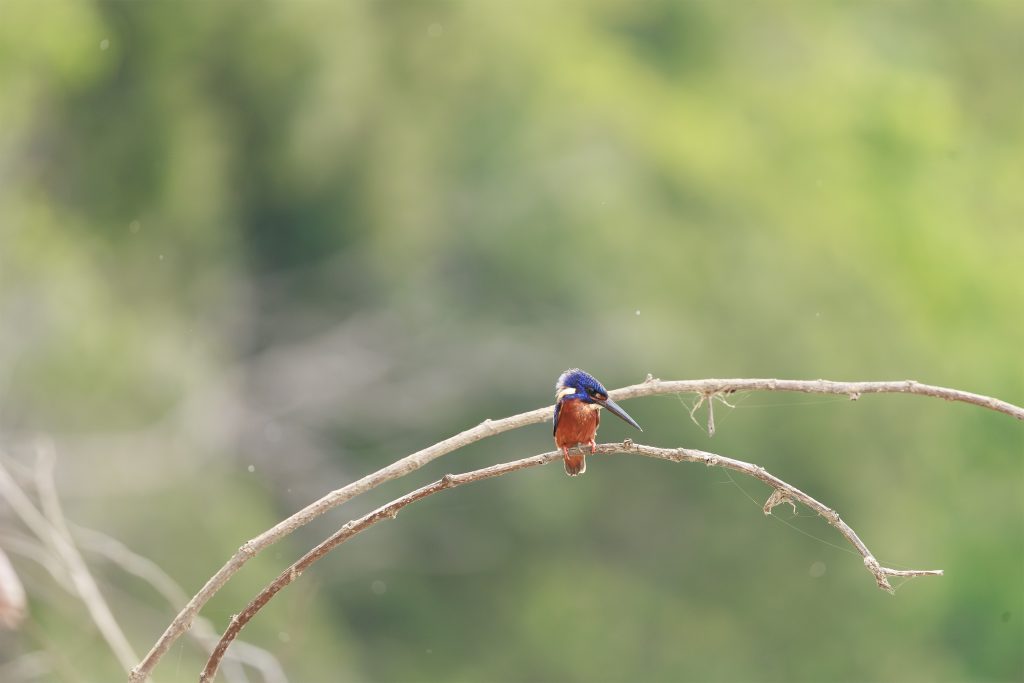
We returned to the lodge for dinner at 6:30 pm, which featured a great selection of both Western and traditional Malay food. After dinner, I returned to my room to go through the photos I had captured, tagging the images I wanted to keep and edit later. I brought a portable hard drive with me to back up my photos every day, ensuring I wasn’t solely relying on the camera’s SD cards.
At around 8:00 pm, we went out for an hour-and-a-half night walk through the jungle. Thankfully, it hadn’t rained for a few days, so the jungle track was dry and easy to navigate. We saw a range of different nocturnal wildlife: an abundance of bugs, lots of moths, various spiders, stick insects, a Malay civet (which looks a bit like a small cat/skunk), and several sleeping kingfishers nestled in the branches. It was a brilliant first day.
Day 2: Tracking the Pygmy Elephants and a Jungle Trek
Day two started with a 5:30 am wake-up call to meet at the reception area for 5:45 am. The lodge offers hot drinks and light snacks that you can quickly grab before the 6:00 am boat departure.
The focus of this morning’s itinerary was to track down the Bornean pygmy elephants. This species often eludes visitors due to their declining numbers, but our guide was determined to find them. They often cross the river right as the sun rises, so it was a bit of a race to get down the river to where they were reported.
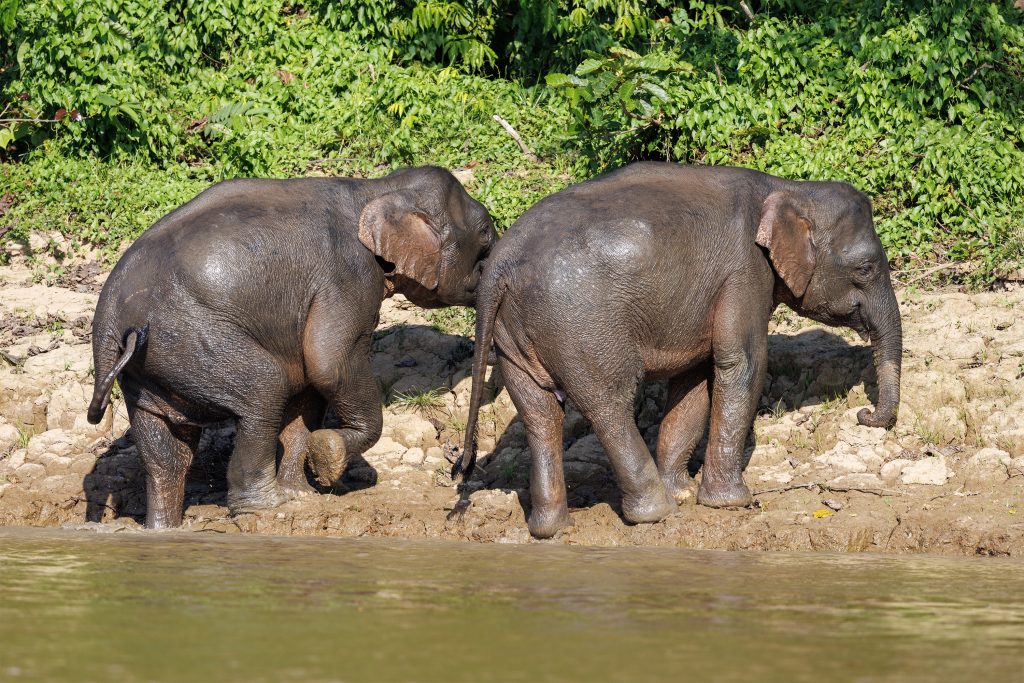
These are the smallest elephant species in the world, but they still seemed fairly massive and impressive to me! It was magnificent to witness them swimming across the river so early in the morning.
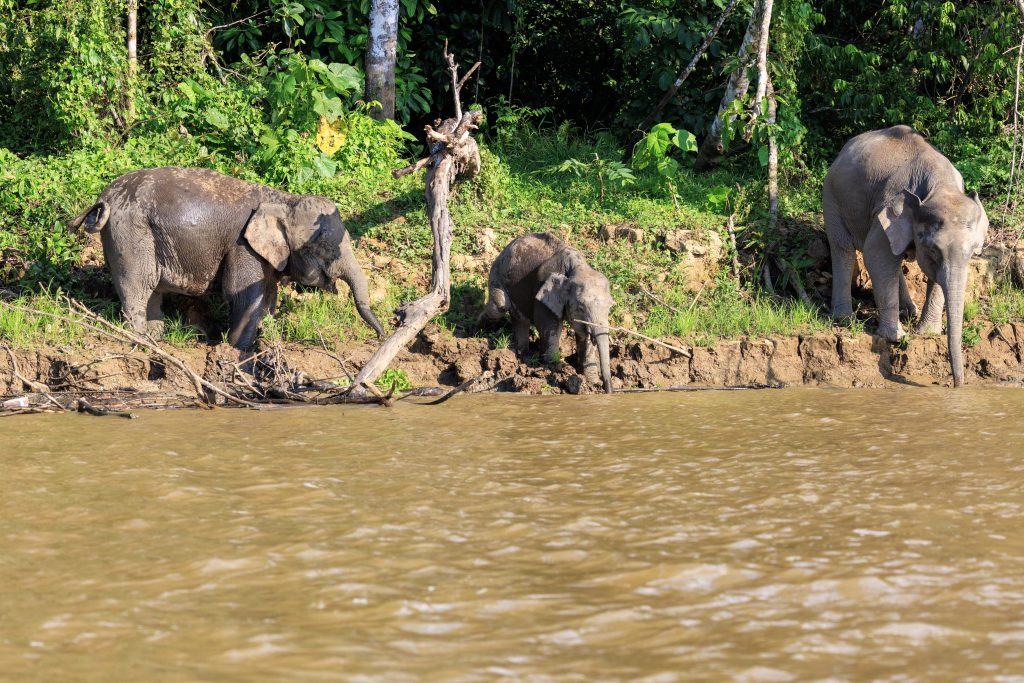
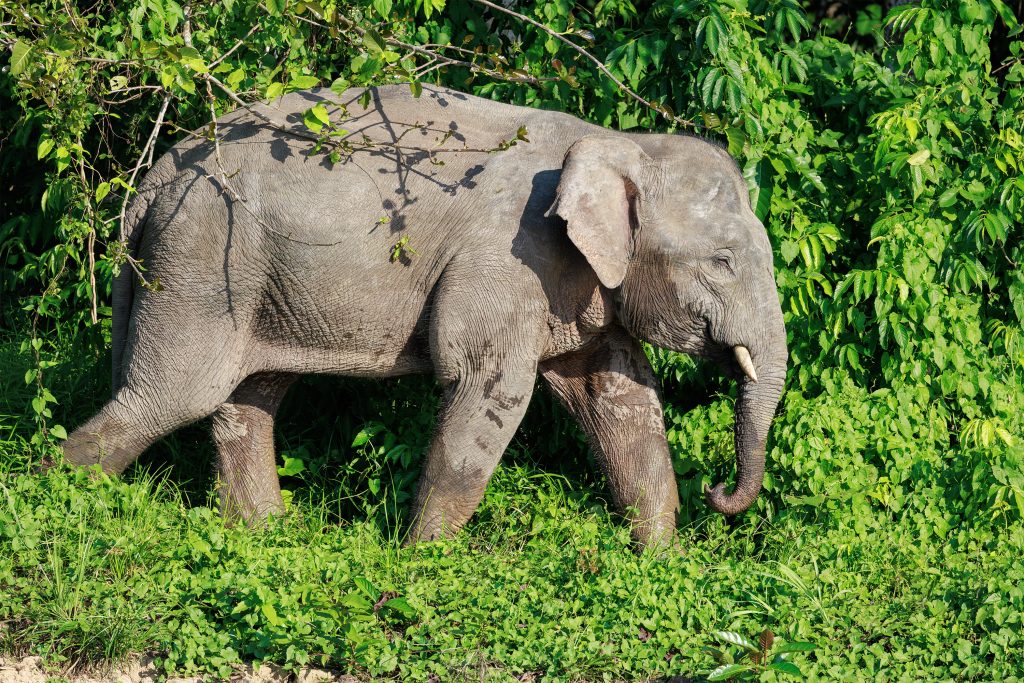
As we headed back down the river, we spotted a macaque that appeared to have been injured, with lots of cuts and scars on its face. It looked quite young, but thankfully it still seemed to be in good spirits. We also saw an array of birds, more hornbills, and groups of proboscis monkeys hanging out near the riverbank before venturing deeper into the forest to forage for food.
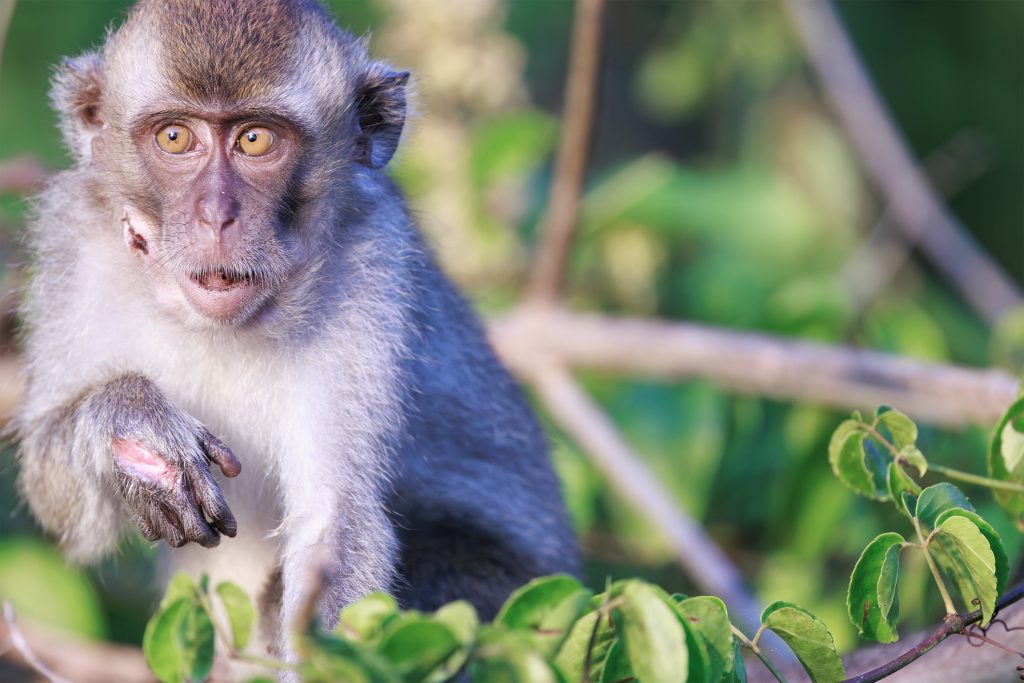
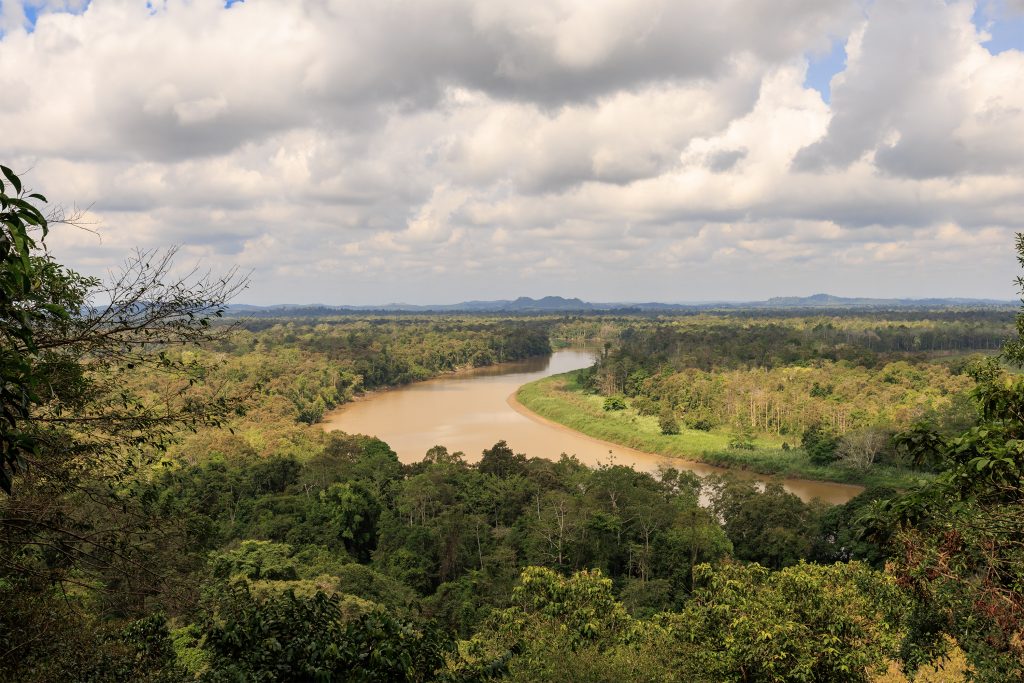
We arrived back at the lodge around 8:00 am for breakfast. At 9:15 am, we set out on a guided jungle walk. We did a loop through the forest, searching for insects and spotting wild orangutan nests. It was impressive to see the complex nests they construct fresh every single night in the canopy to sleep in. While we didn’t spot any wild orangutans on the walk, we hiked up to a viewpoint that offered a beautiful bird’s-eye view of the river.
We returned to our rooms, had lunch at 12:30 pm, and met back up at 3:45 pm for an early evening safari cruise. We left 15 minutes earlier than the day before, and those 15 minutes proved incredibly beneficial. We encountered several pygmy elephants right on the edge of the riverbank. To see them twice in one day was an unbelievable experience, and I managed to get some great photographs of them bathing in the water and coming right up to the edge.
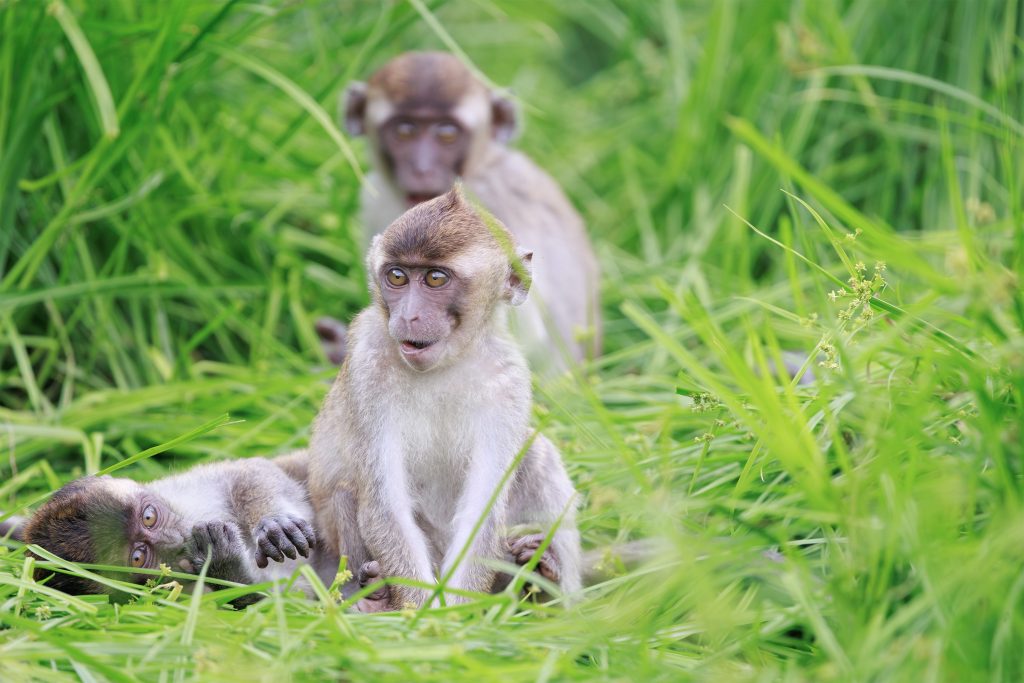
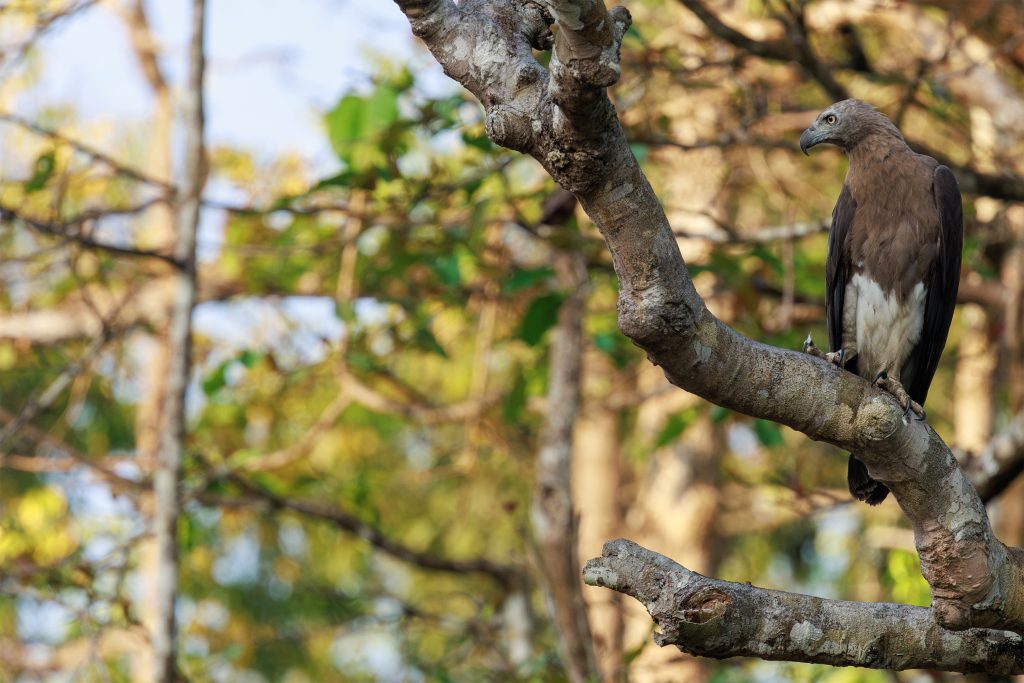
We also encountered a large troop of macaques with tiny babies playing together on a small patch of grass. We were able to get the boat incredibly close to create some beautiful, detailed portraits. Along the river, we also saw several White-bellied Sea Eagles soaring overhead.
We returned for dinner at 6:30 pm. Afterwards, we had the option of another night walk or a night cruise. Because the night track was going to be similar to the previous evening, I opted for a relaxing night cruise on the water.
Day 3: Rare Storks and Final Reflections
Our final day started with a 6:00 am departure for the last cruise of the trip. This river cruise was a bit shorter about an hour and a half and it was a very quiet, misty morning on the water.
However, we were treated to a wonderful surprise: we spotted a group of Storm’s Storks perched in the trees. They are an endangered species on a massive decline in Borneo, with fewer than 500 individuals left in the wild. It was incredibly lucky to see a group of them together. It was fascinating to observe them from a distance, even if I wished they had been just a little bit closer for photos.
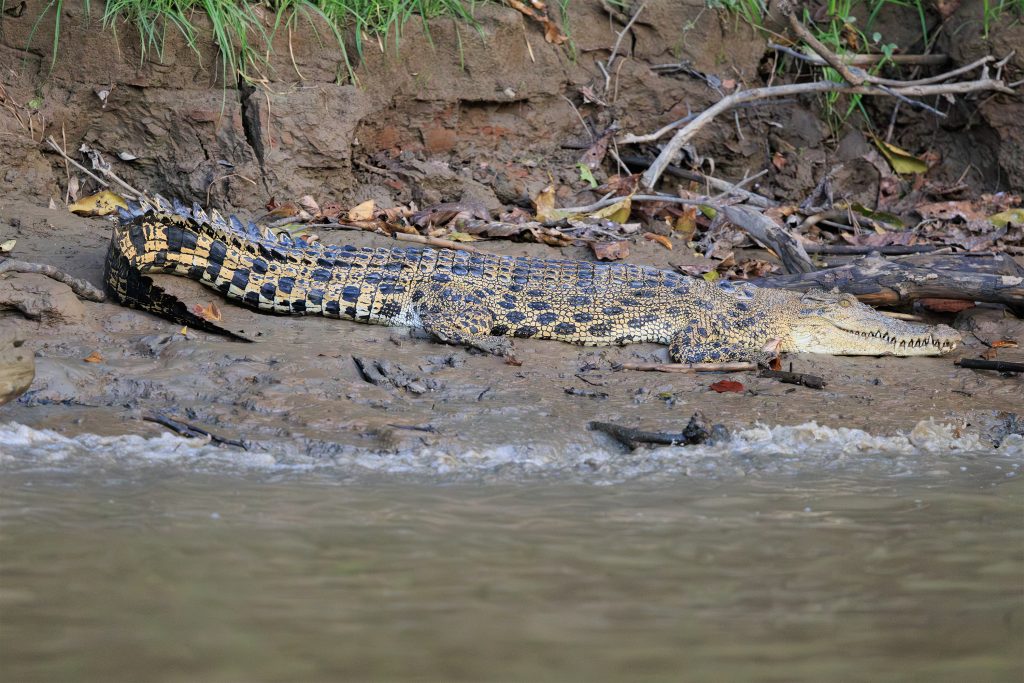
We also saw several large crocodiles lounging on the edge of the mudbanks. Because they remained perfectly still, I managed to get some highly detailed close-ups of their eyes and scales. With White-bellied Sea Eagles and hornbills flying overhead, it concluded a quieter but highly rewarding final cruise.
We got off the boat around 7:30 am and went straight to breakfast. Checkout was at 8:30 am, so I quickly packed my gear and headed to reception. All meals were included in the River Junkie tour package, so I only had to pay the remaining balance for a few extra soft drinks I had purchased, alongside the standard Tourism Tax of 10 Ringgit per night (20 Ringgit total).
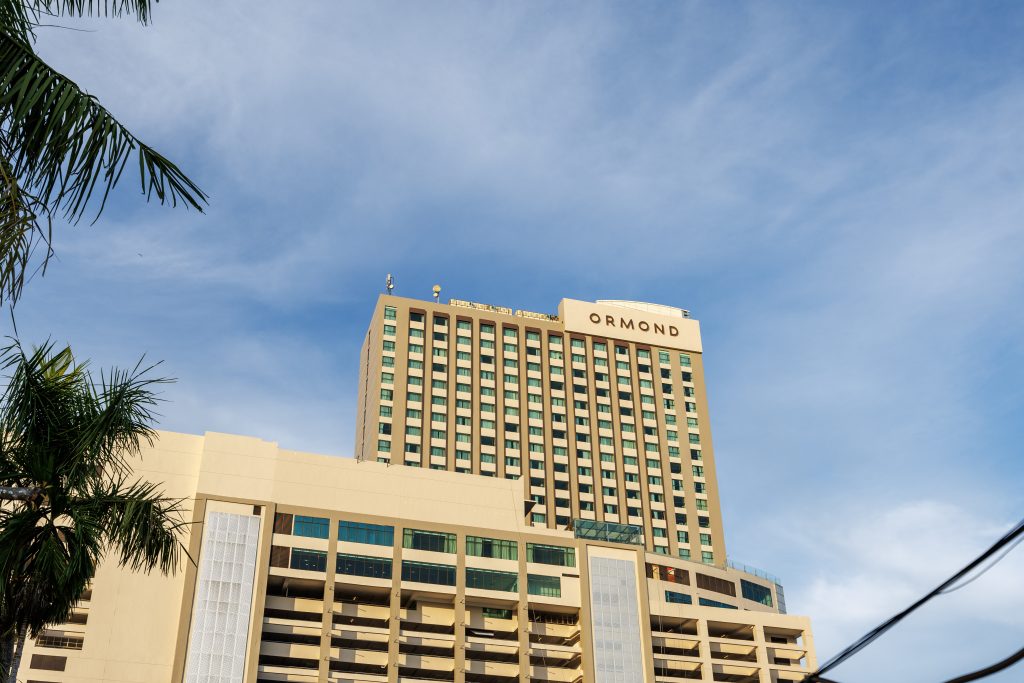
My next destination was a brand-new hotel that had just opened in Sandakan called the Ormond Hotel. It had only been open for four weeks, so it felt incredibly fresh, modern, and clean—a really nice place to relax after a busy few days in the jungle.
Closing Reflections
From the bustling streets and towering skyscrapers of Kuala Lumpur to the historic, art-filled lanes of George Town, my latest trip to Malaysia was already unforgettable. But the real adventure began when I flew across the water to Borneo. As a birdwatcher and wildlife enthusiast, getting into the deep rainforests of Sepilok and cruising down the Kinabatangan River was a dream come true.
Reflecting on this journey, it is safe to say it surpassed every expectation I had. Ticking off four of the “Big 5” on my very first river cruise, tracking down the elusive pygmy elephants not once but twice, and capturing incredibly crisp, detailed portraits of proboscis monkeys and endangered Storm’s Storks made every early 5:30 am wake-up call completely worth it. Whether I was dodging cheeky macaques at Batu Caves, looking out over the misty canopy from Penang Hill, or backing up my day’s shots in a quiet jungle lodge, Malaysia and Borneo delivered an absolute masterclass in both vibrant culture and raw, spectacular wildlife. Packing up my gear at the Ormond Hotel, I am leaving with a completely full hard drive, some of my favourite photographs to date, and memories of a rainforest expedition that I won’t soon forget.