Japan is one of the ultimate travel destinations, a country rich in history, culture, and food. The experience is incomparable to any other place I’ve visited, creating amazing, unforgettable memories. Thanks to Japan’s incredible travel network, getting around is a breeze, making it easy to visit different cities across the country. My best advice? Don’t confine your trip to just Tokyo; you’ll only get a small glimpse of what makes Japan a must-see and explore country. Here is a look at my 14-day journey!
Part 1: Osaka and the Kansai Region
After a 7-hour flight from Chiang Mai, Thailand, to Osaka airport, arriving at 8 AM, I caught a train from the airport to the hotel. I dropped my luggage at the hotel in Tennoji, a great central location. Since I was unable to check in immediately, I walked and explored nearby attractions.
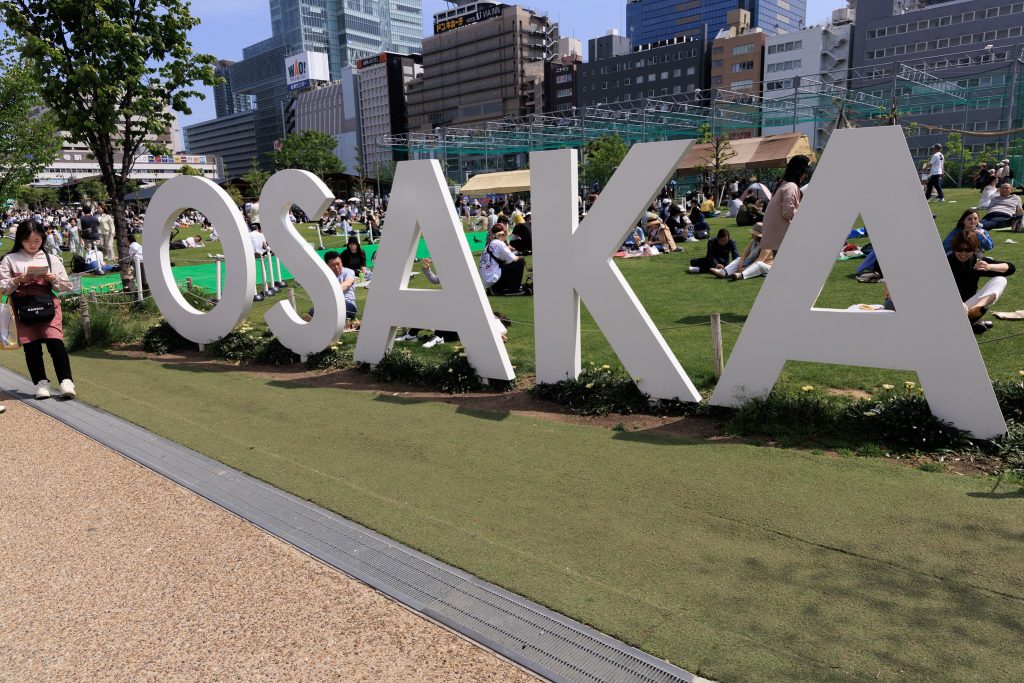
Days 1: Vibrant Osaka
Osaka Tennoji Zoo (大阪市天王寺動物園): which first opened its doors in 1915 and is home to 1,000 animals and 170 different species. The really affordable cost of only £2.60 makes it a very family-friendly attraction for local Japanese people.
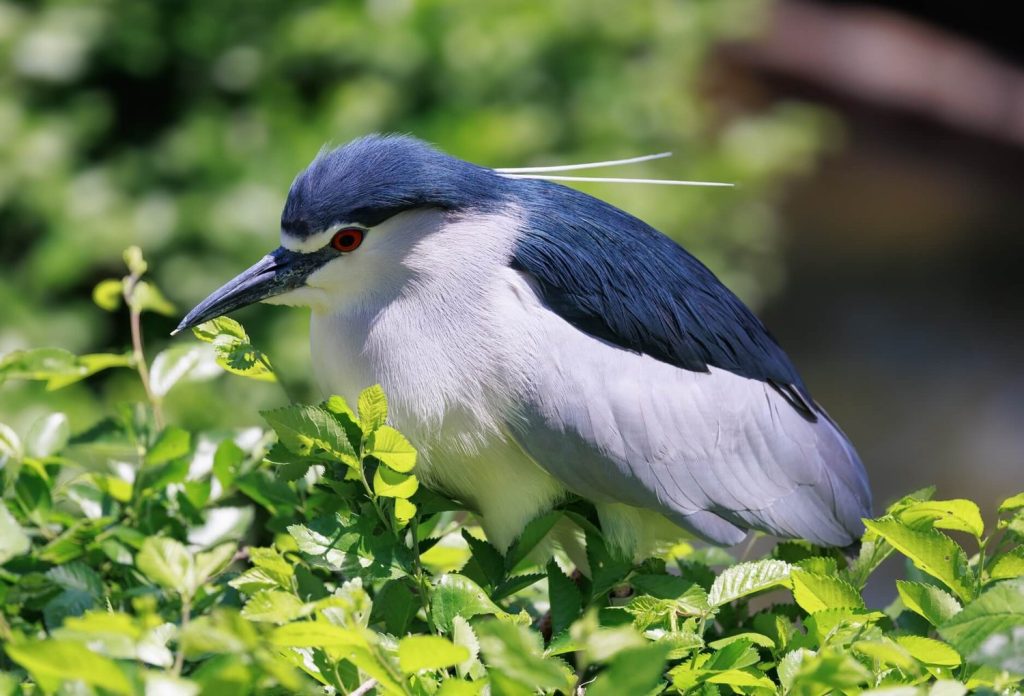
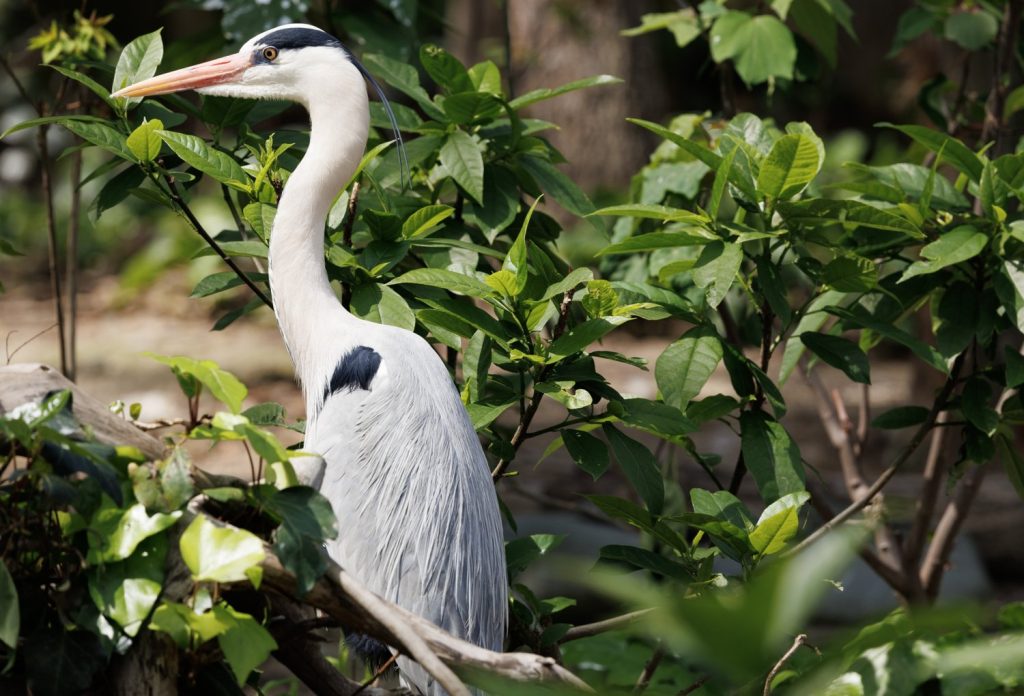
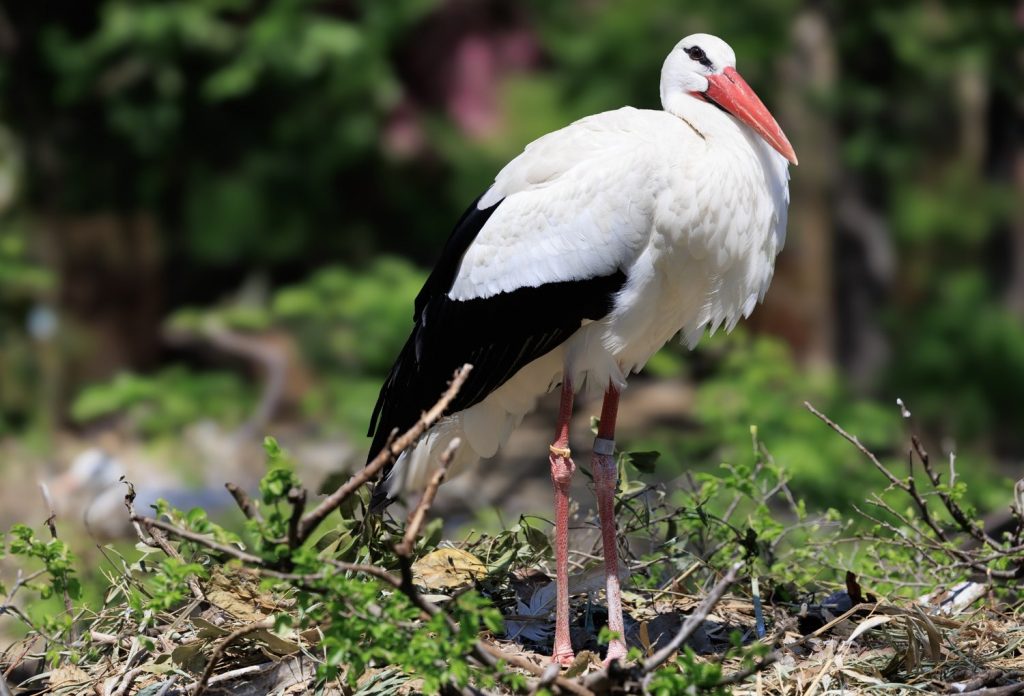
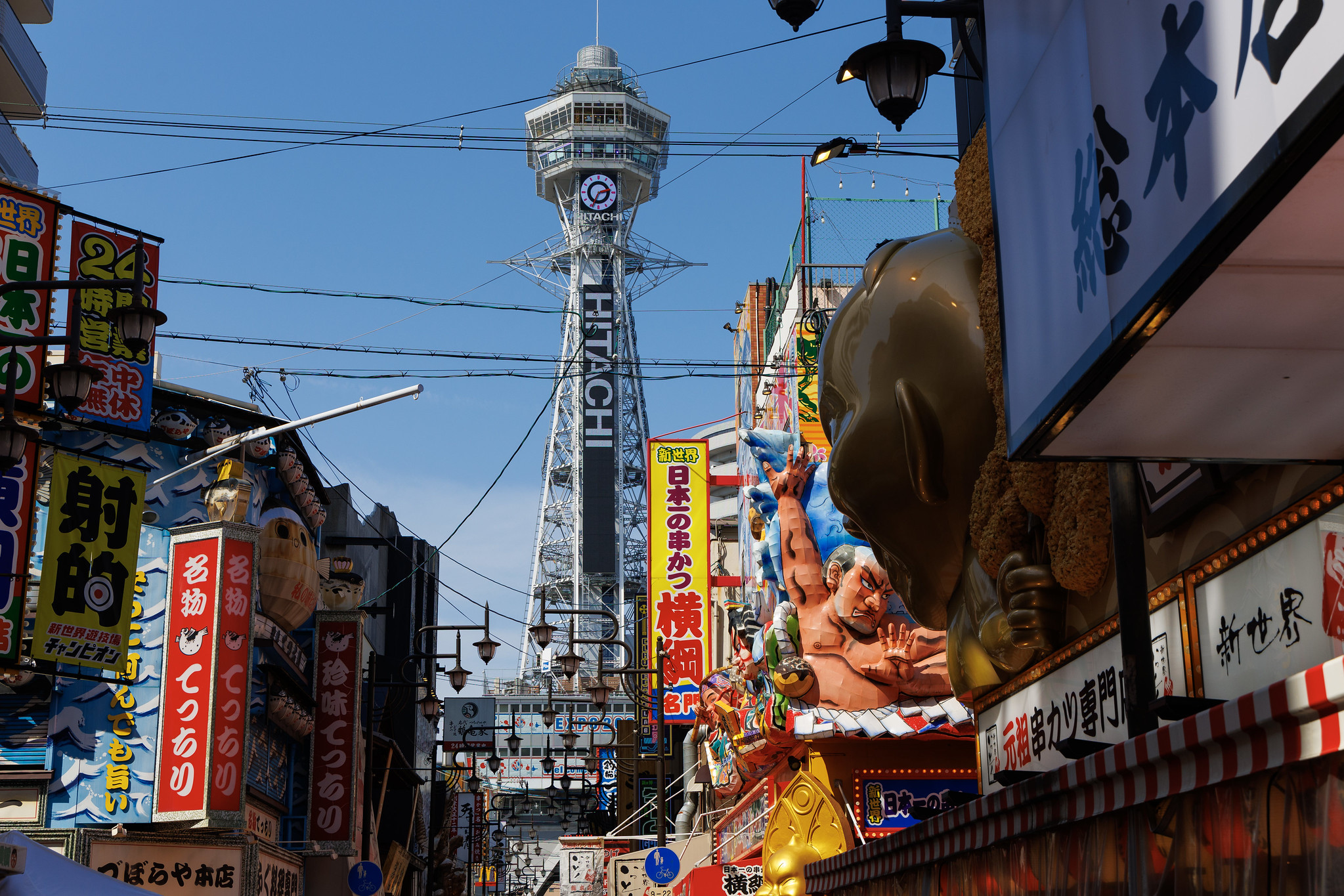
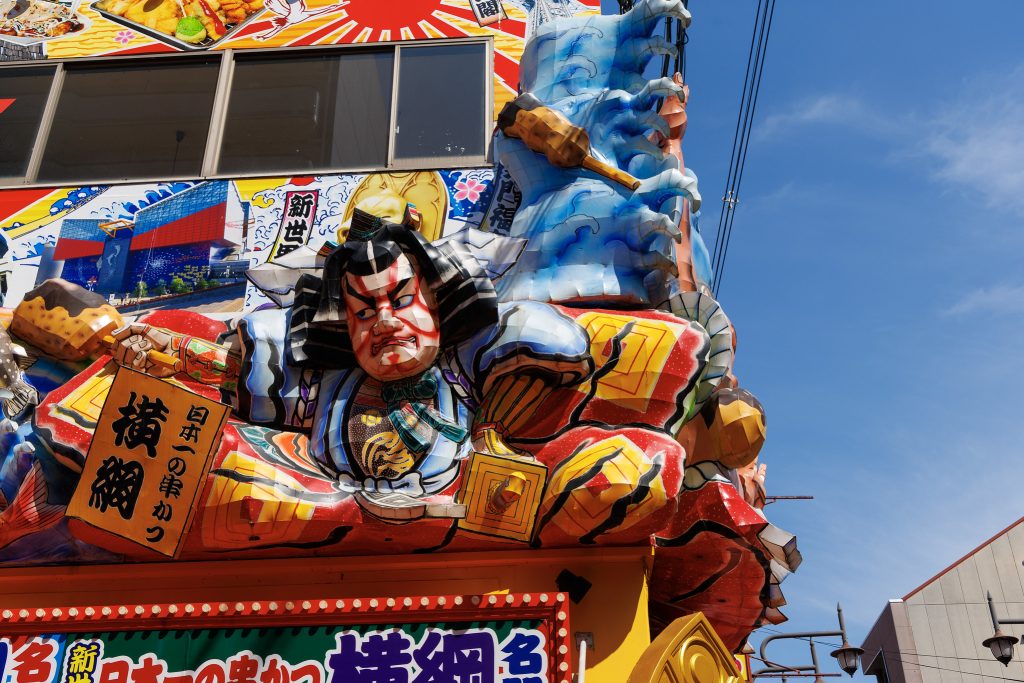
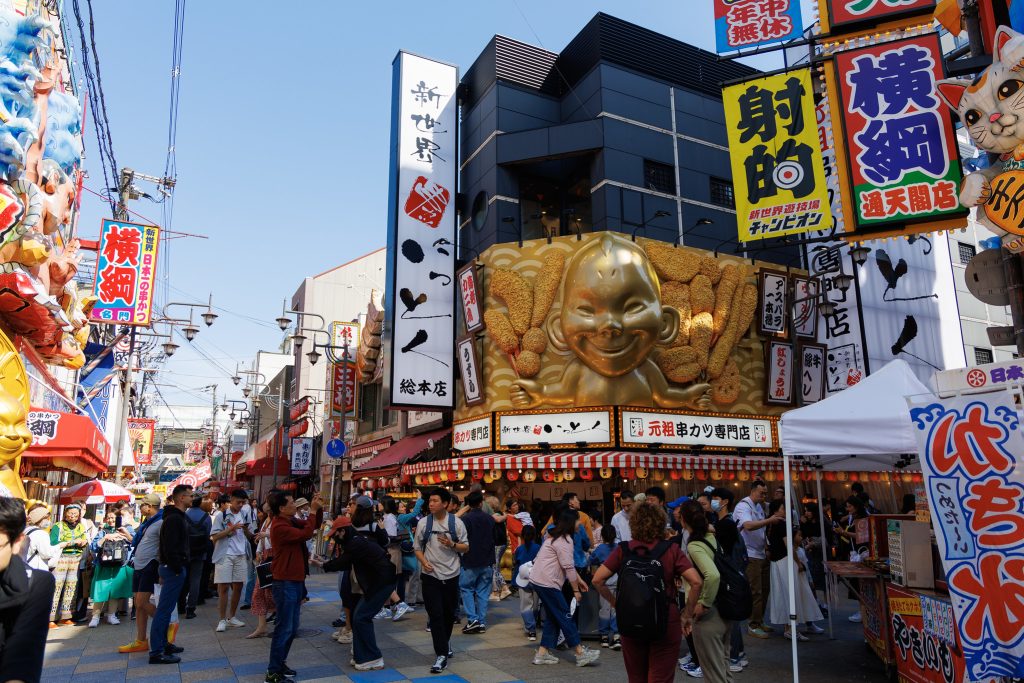
Shinsekai & Tsutenkaku Tower: We grabbed some great food in the picturesque Shinsekai area and took in the city views from the huge observation deck of the Tsutenkaku Tower.
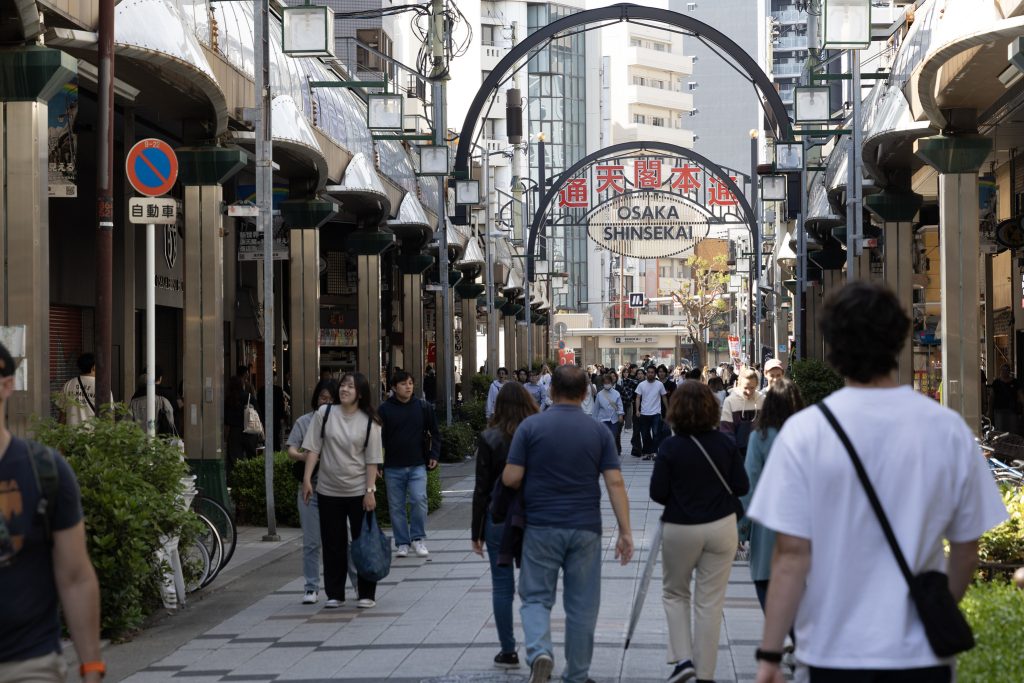
Day 2: Osaka
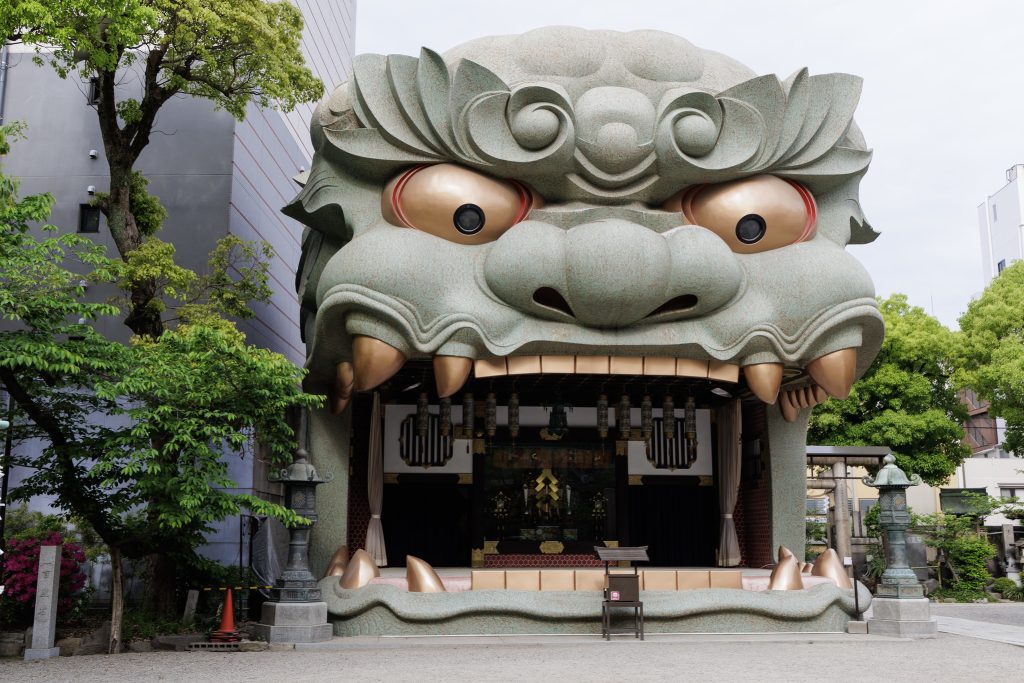
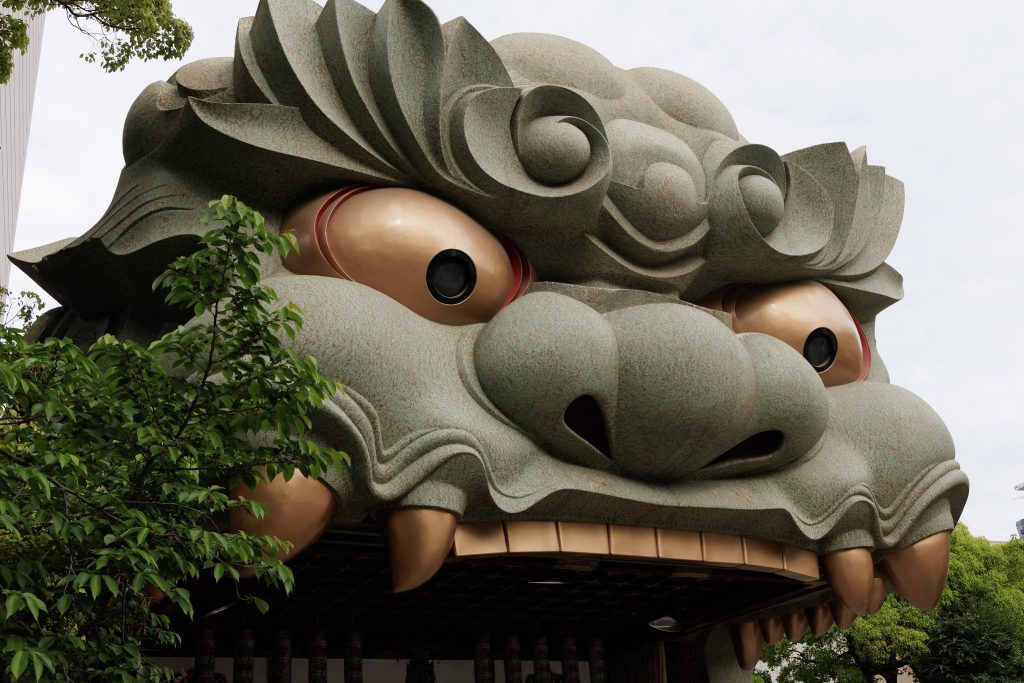
Namba Yasaka Temple: An early start, getting up at 5:30 AM and leaving the hotel by 6 AM. One thing about Japan is that the earlier you get up, the fewer people there are, which is great if you want to capture some photos. Headed straight to Namba Yasaka, a very unique and iconic temple. It is believed that the lion’s giant, open mouth swallows evil spirits, bringing good fortune, particularly for success in business or school.
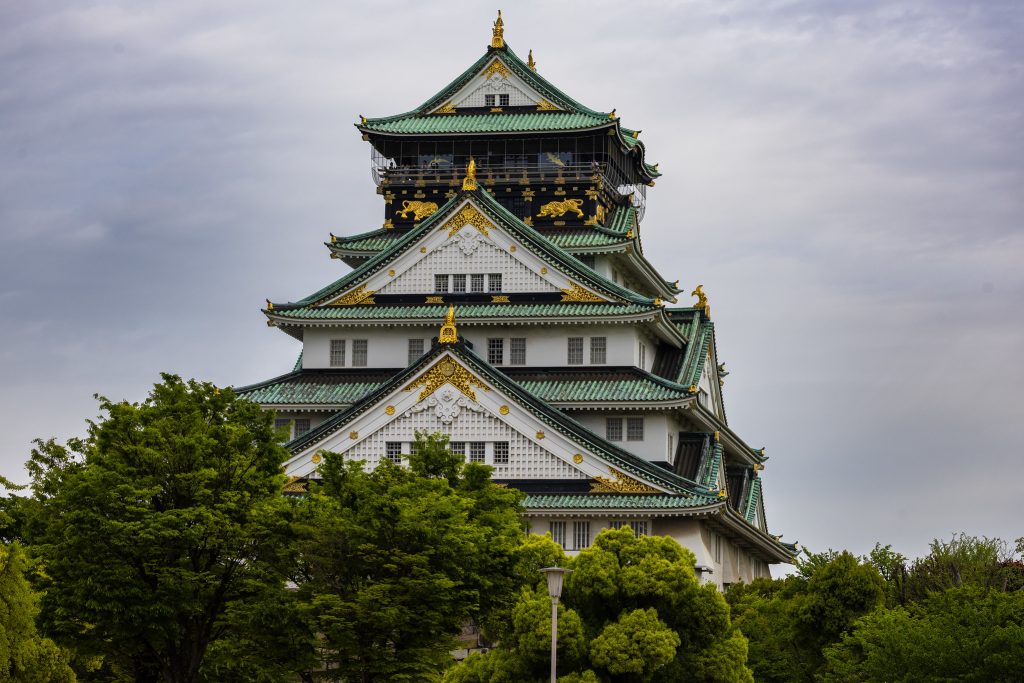
Osaka Castle: This was one of the places I was really excited to visit in Japan after reading so many references to it in books and video games. The castle grounds are huge and free to explore. There is a fee for going inside the castle, which, when the castle was last destroyed, was reconstructed with the inside being turned into a museum. On top is an observation deck for panoramic views of the castle grounds.
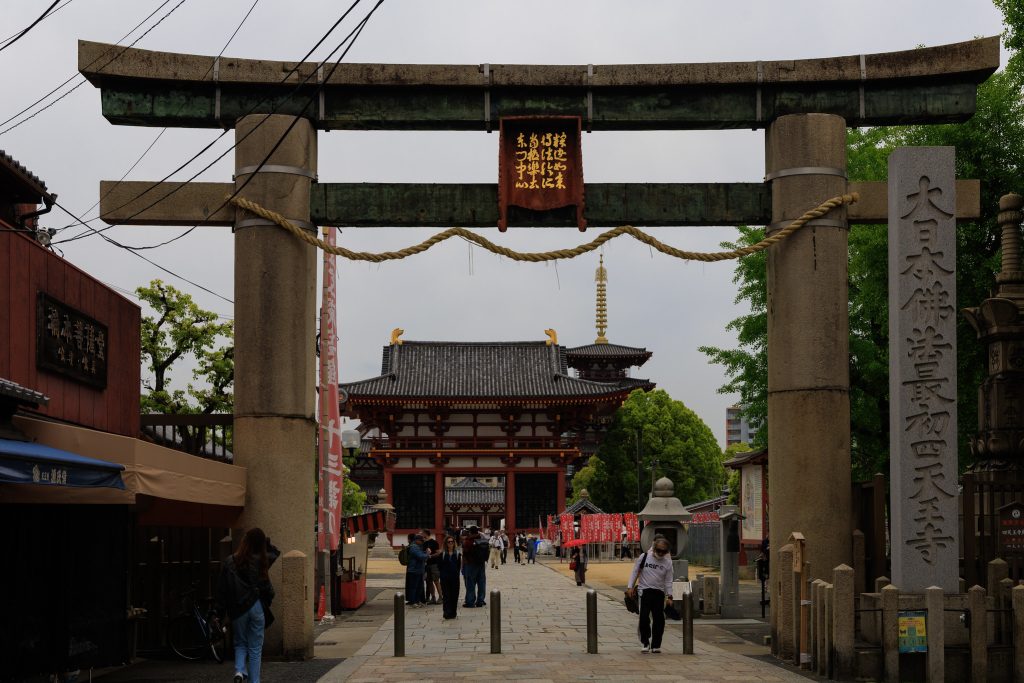
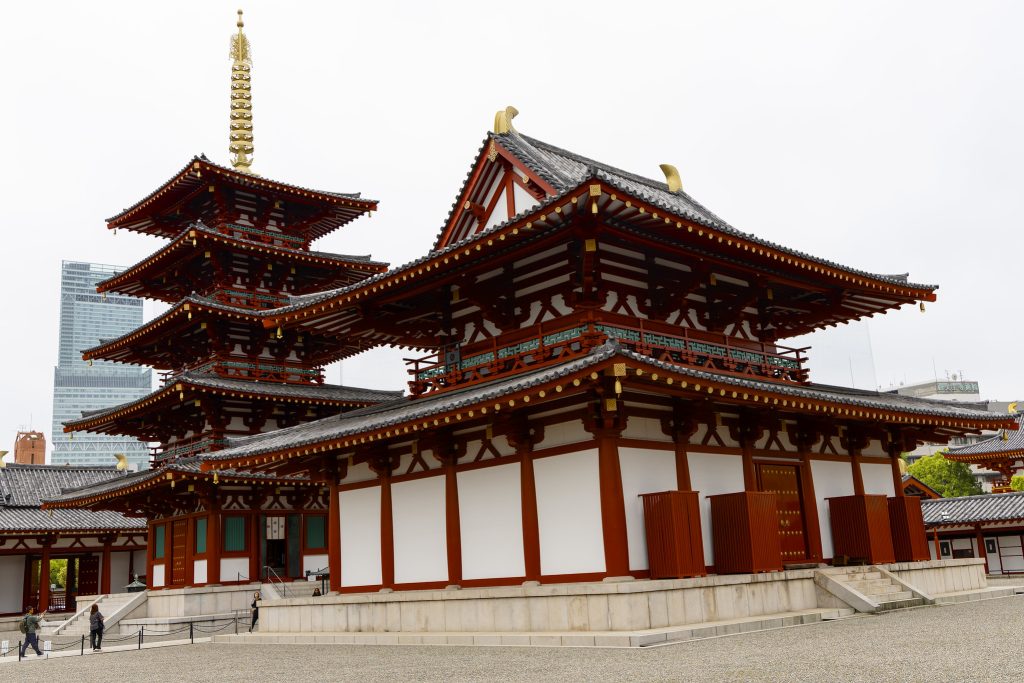
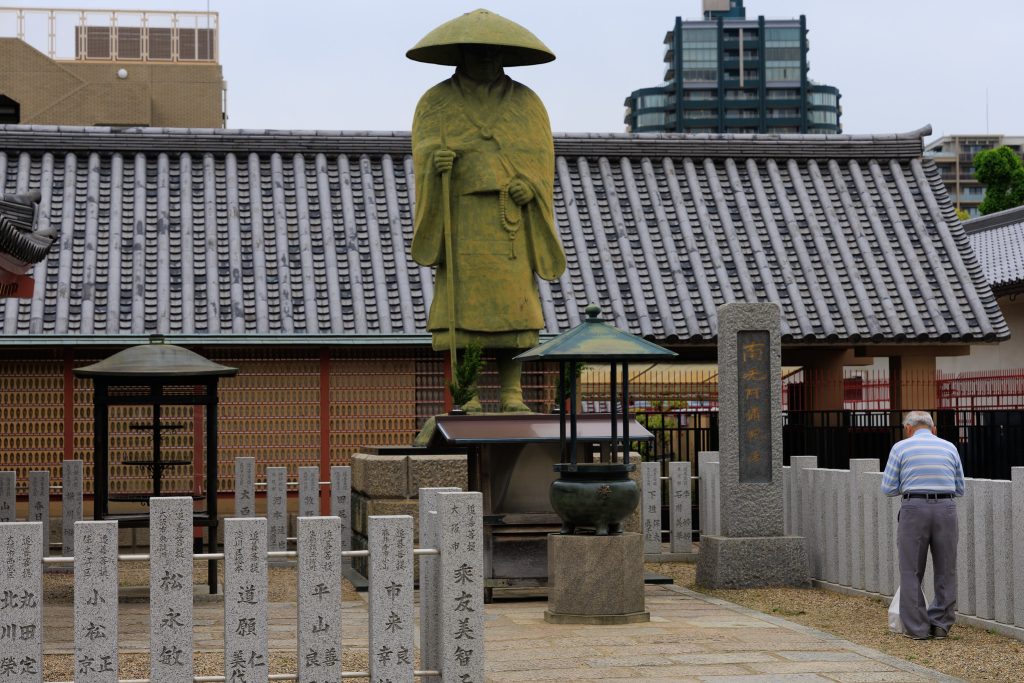
Shitennō-ji Temple: Founded in 593 AD by Prince Shōtoku, Shitennō-ji is regarded as the first Buddhist temple in Japan to be officially administered by the state [1.1]. It was established to honour the Four Heavenly Kings (Shitennō) after the prince prayed for victory in a conflict against anti-Buddhist clans.
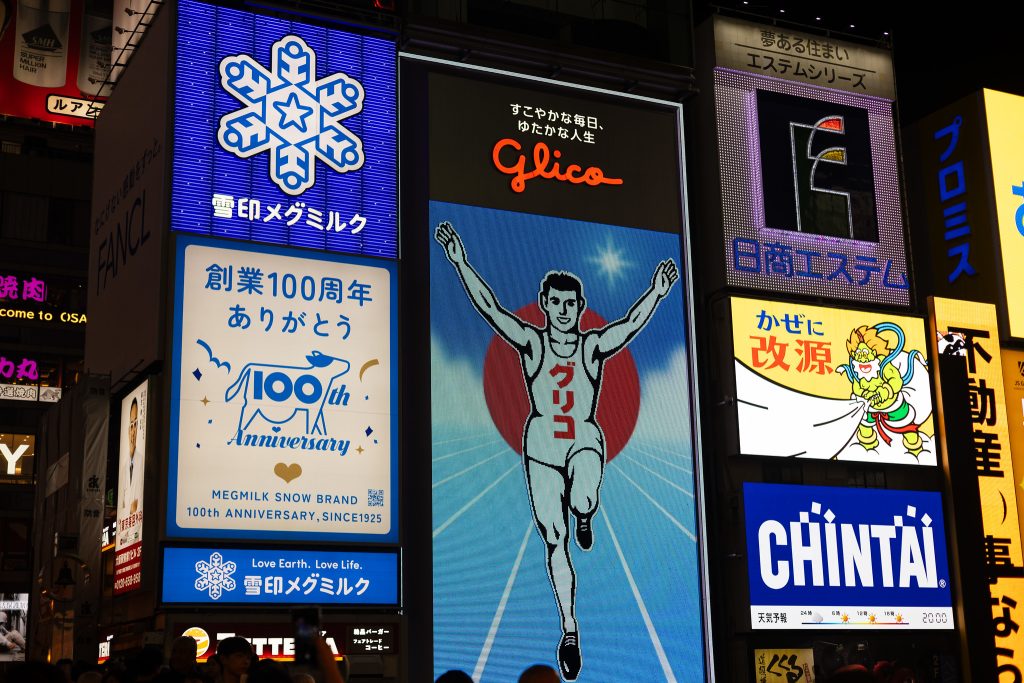
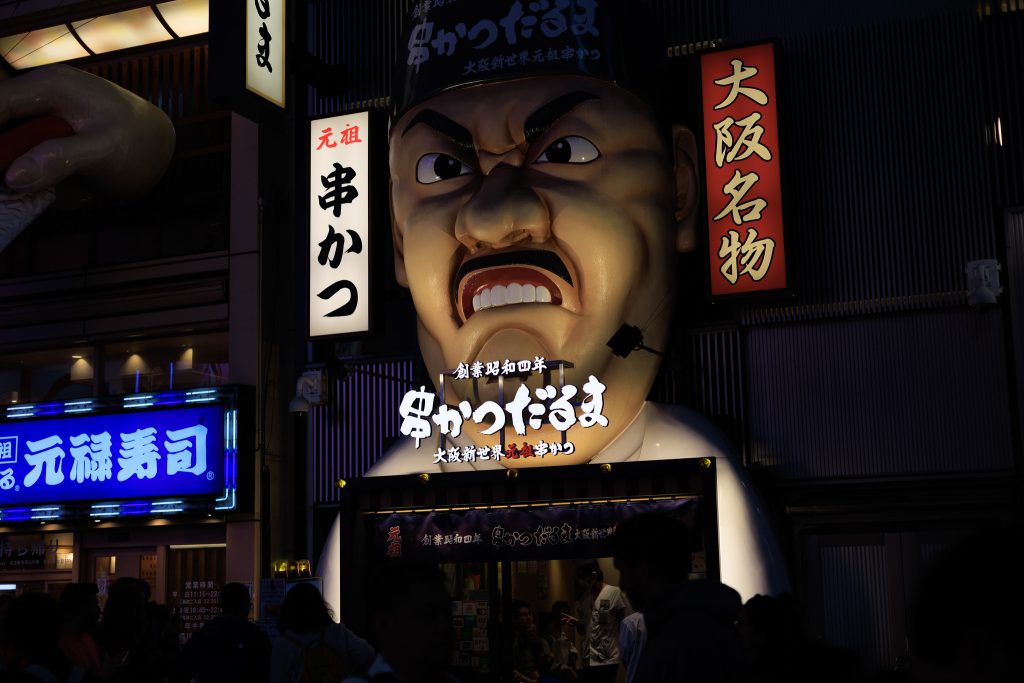
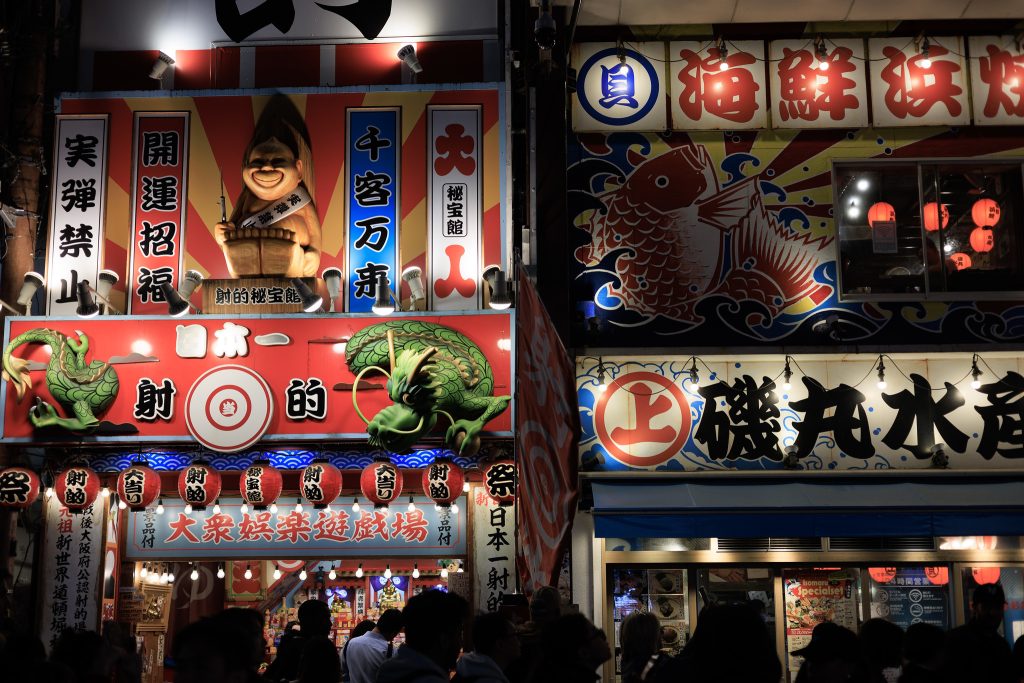
Dotonbori: An abundance of food stands and restaurants. It is really enjoyable to walk along the river and see all the neon signs. This is home to the world’s most popular neon sign and a very popular photo spot: the Glico Man, a large-scale, illuminated advertising billboard located in the bustling entertainment district. The sign advertises Ezaki Glico, a major Japanese confectionery company headquartered in Osaka, famous worldwide for producing snacks such as Pocky and Pretz.
Day 3: The Deer of Nara
Nara is an easy, short train journey (30–55 minutes) from Osaka and makes for a fantastic day trip.
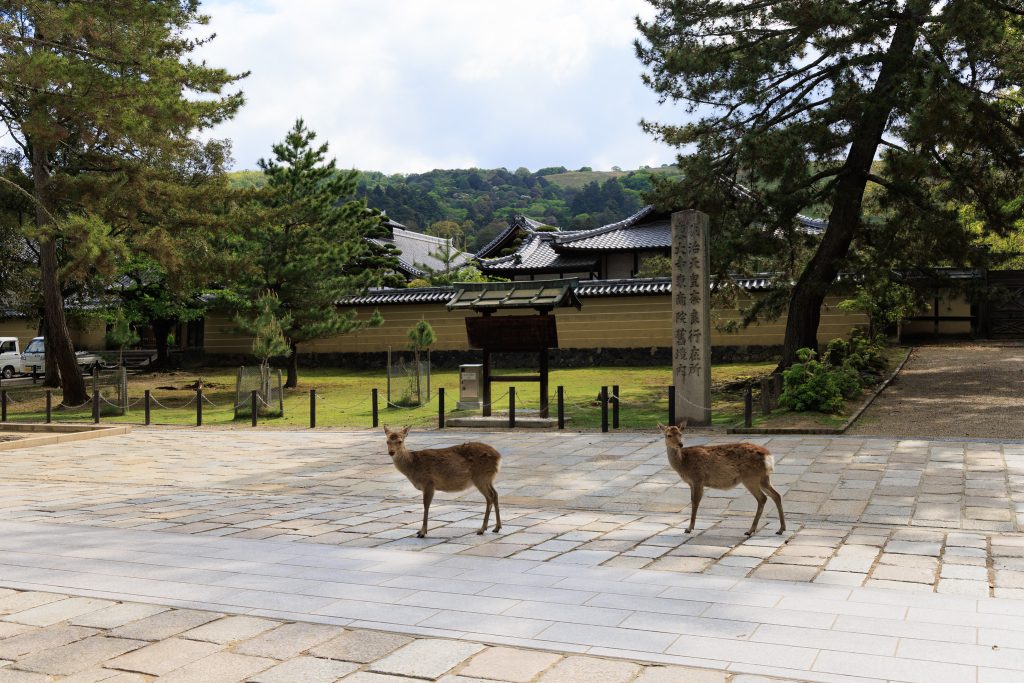
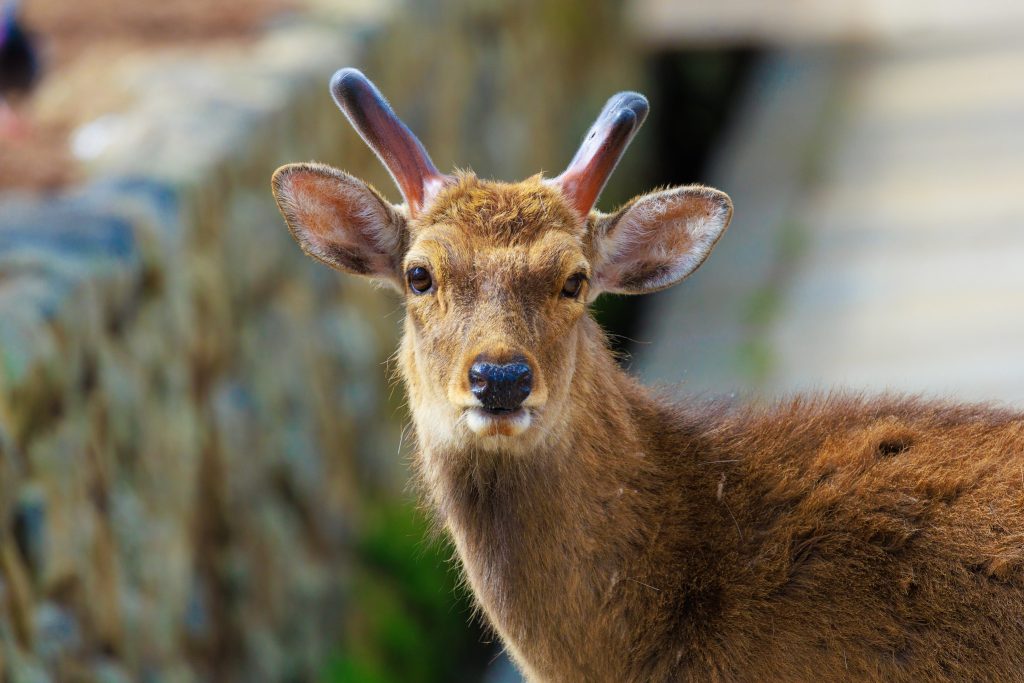
Nara Park: A prime, must-visit spot where hundreds of wild Sika deer roam freely. You can purchase crackers to feed them, and they will even bow before taking the treat—it’s both hilarious and charming!
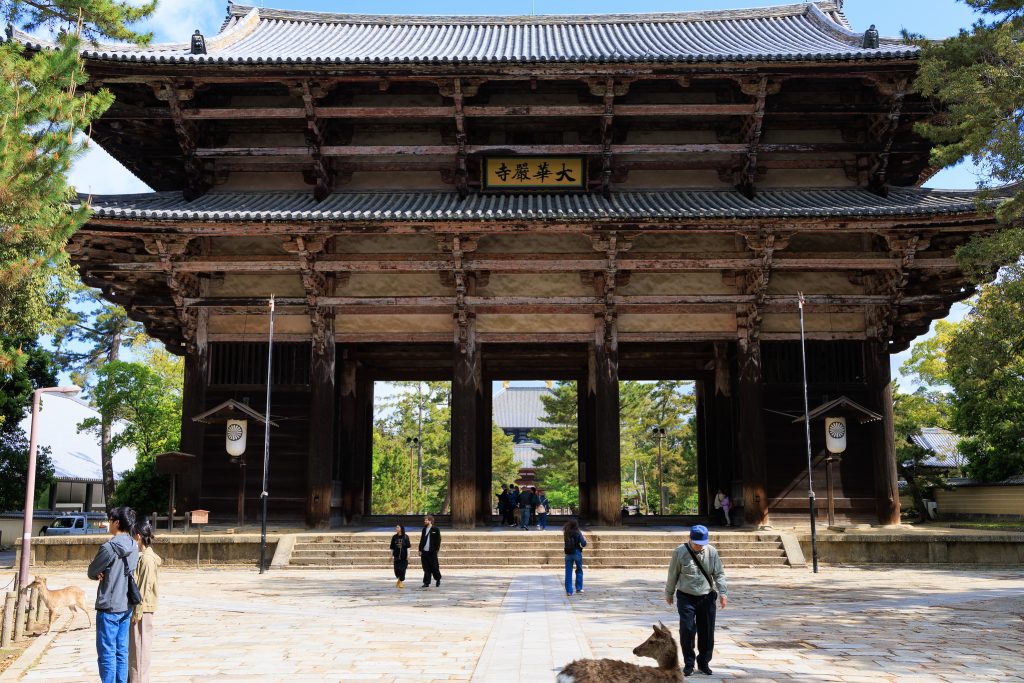
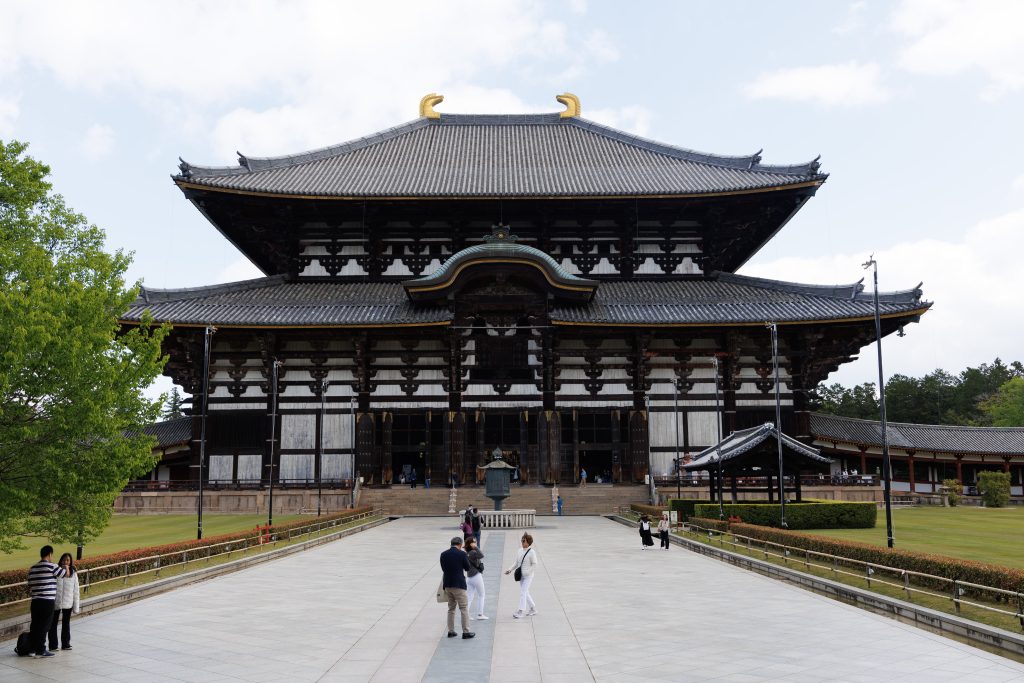
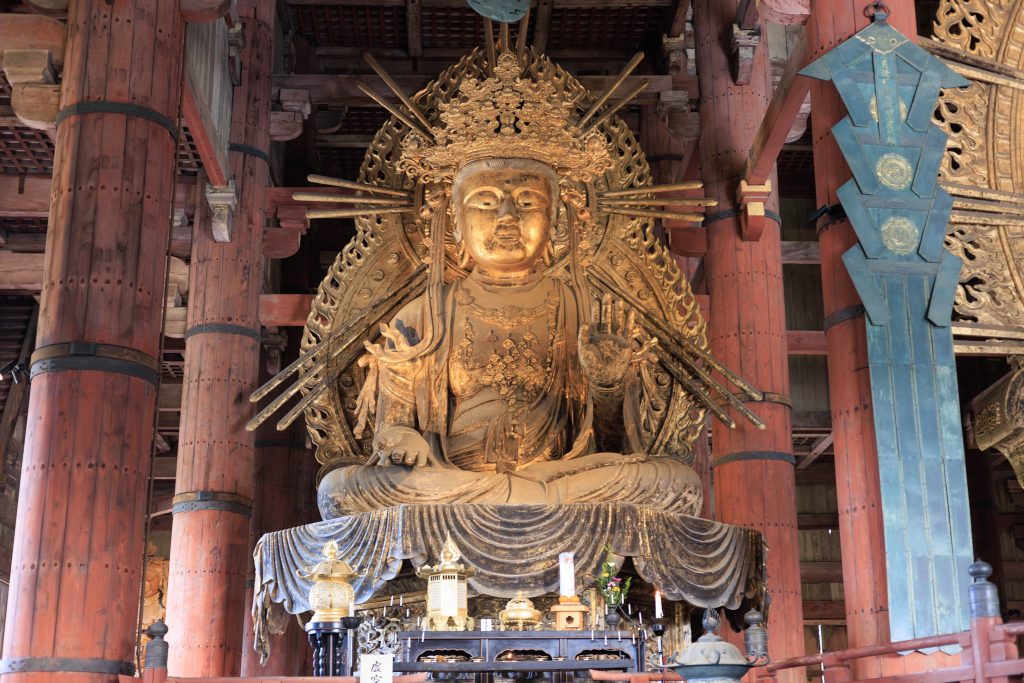
Todai-ji Temple: Visited the Daibutsu-den (Great Buddha Hall), which held the record for the world’s largest wooden building for centuries. The huge Nandaimon Gate with its imposing Nio guardian statues is a national treasure.
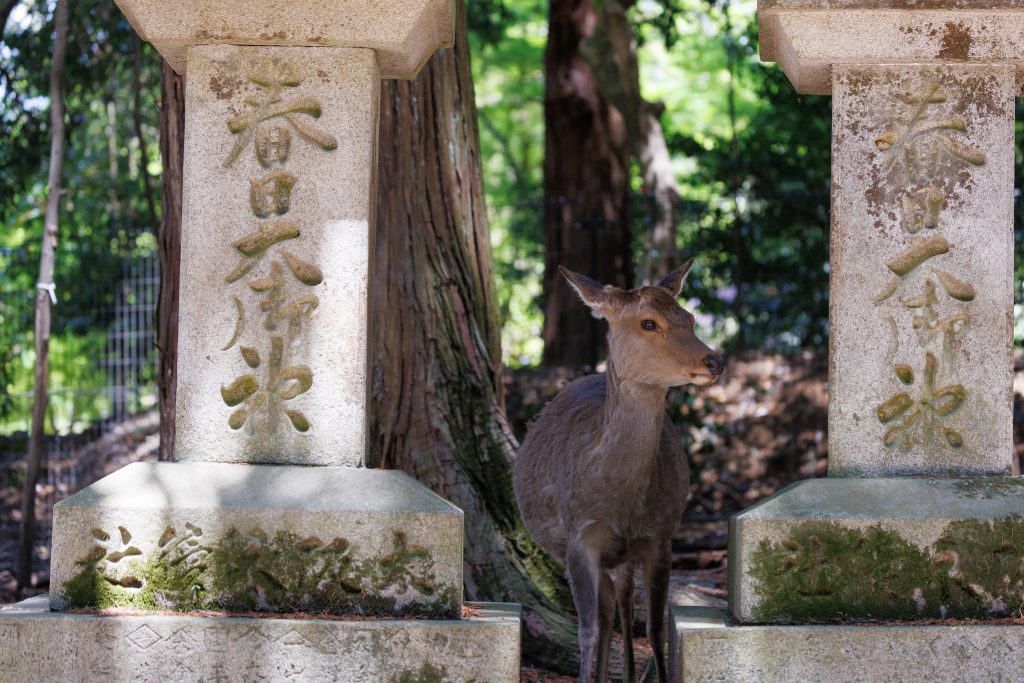
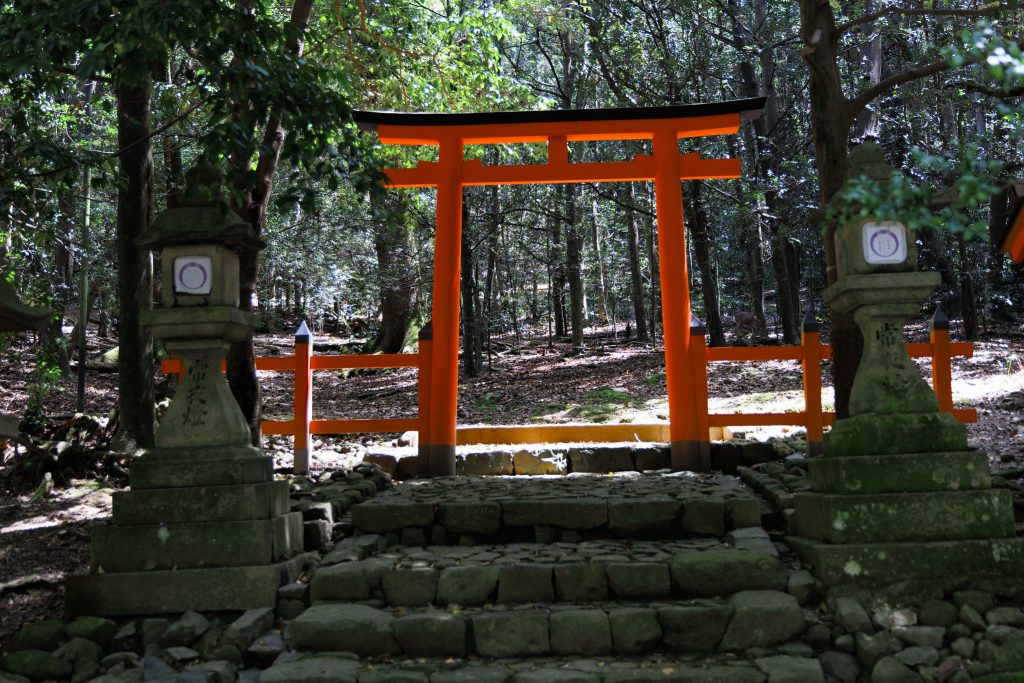
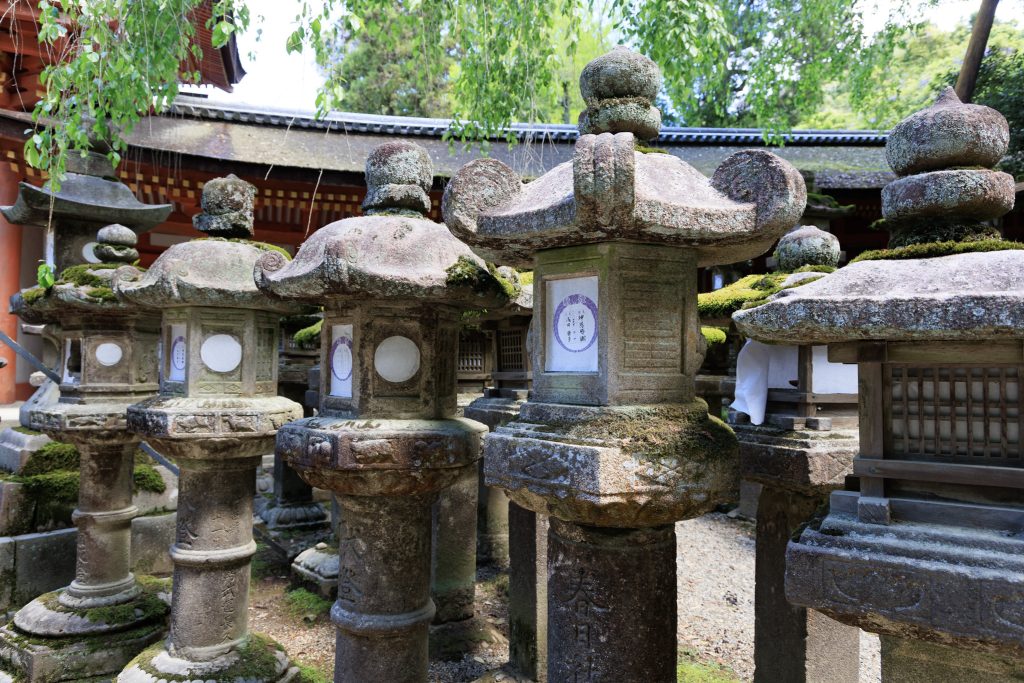
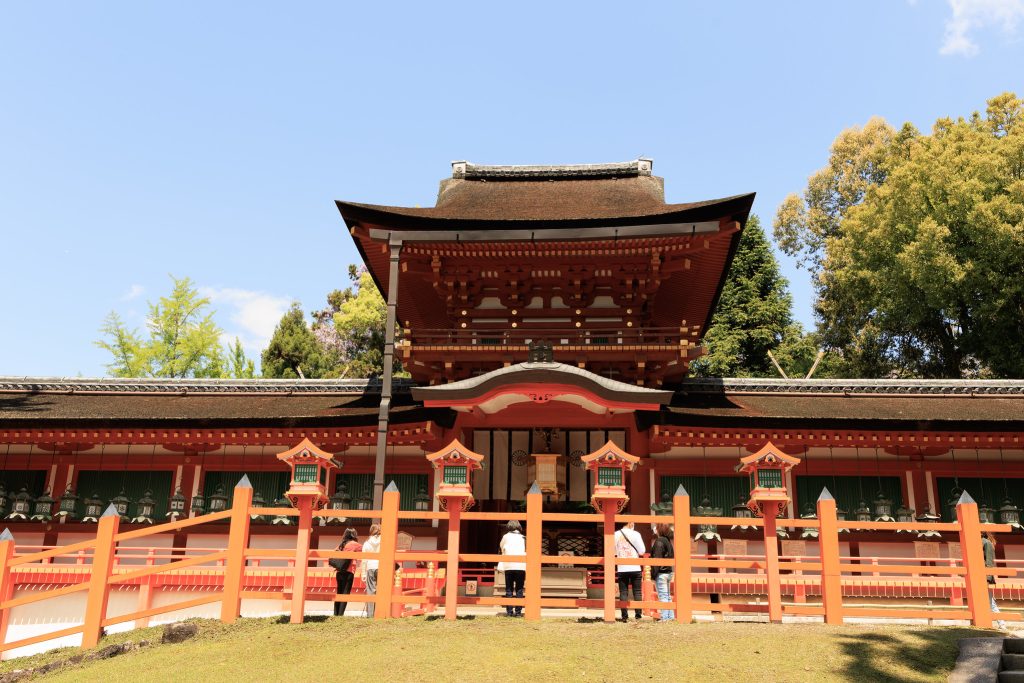
Kasuga Taisha Shrine (春日大社): Famous for its approximately 3,000 stone and bronze lanterns, only fully lit during the Mantoro festivals in February and August.
Day 4: Majestic Himeji & Gastronomic Kobe
Both cities are on the same train line and are easily accessible from Osaka.
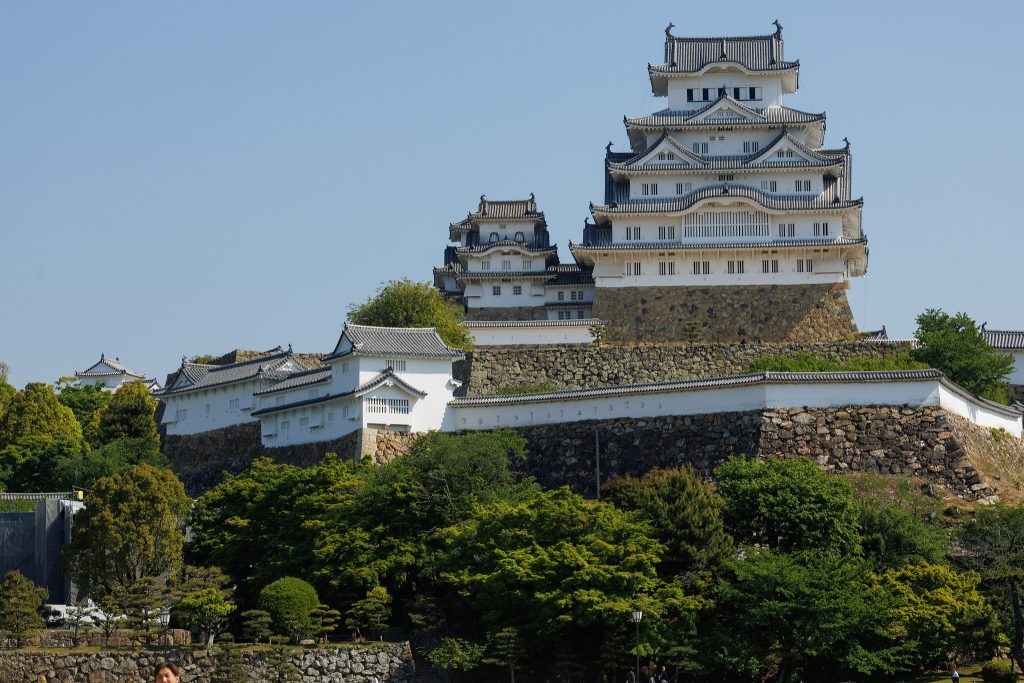
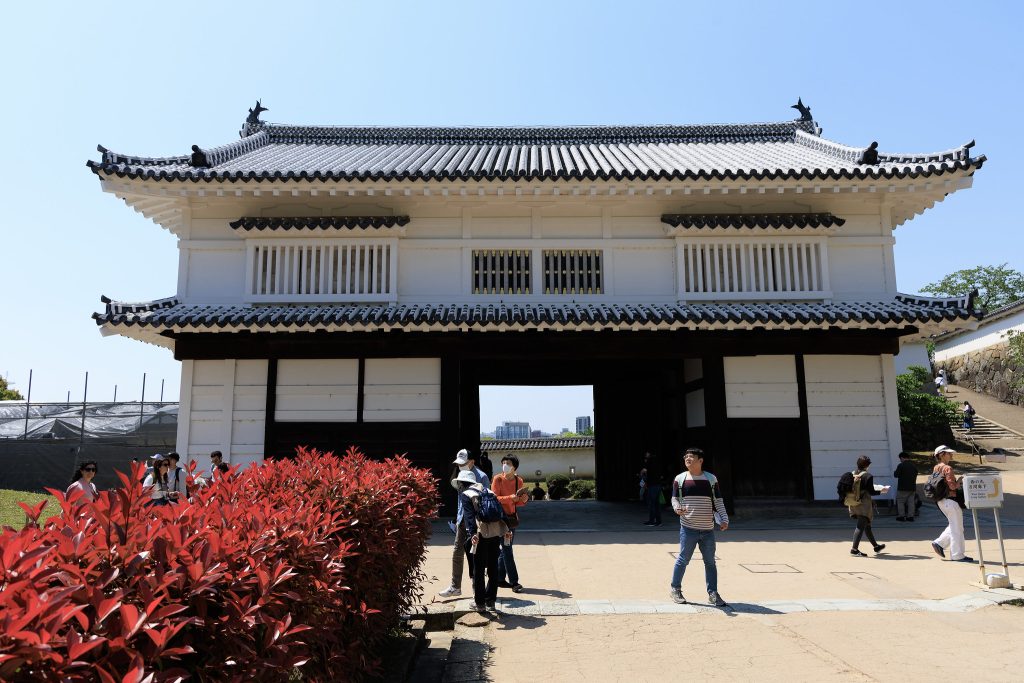
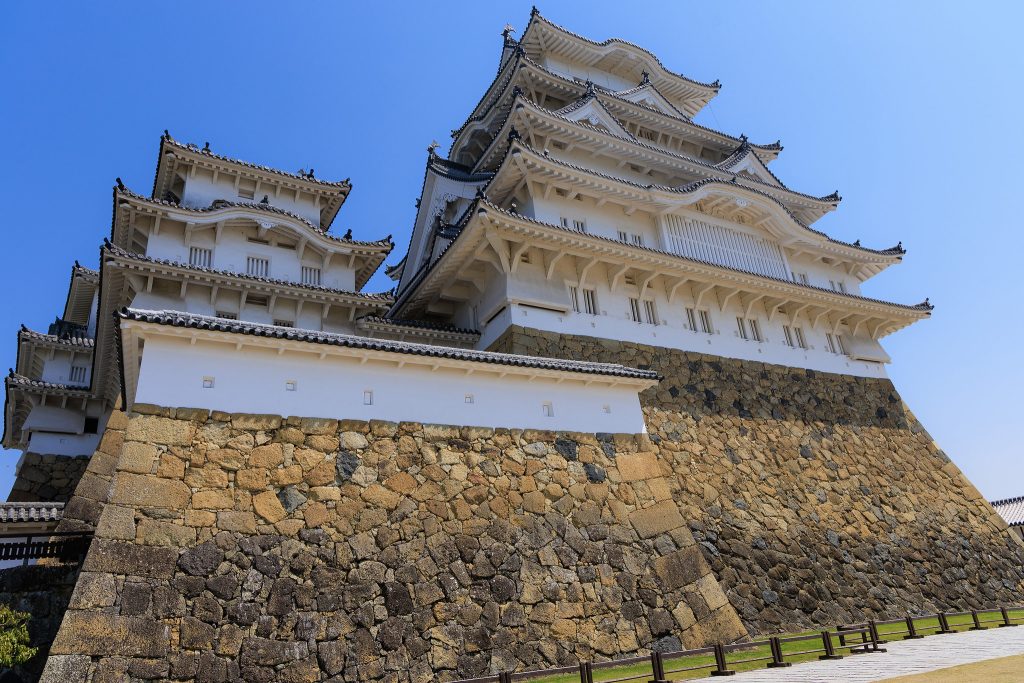
Himeji Castle: A stunning UNESCO World Heritage site built in 1609. Remarkably, it was never destroyed or rebuilt like many others. We spent hours exploring the grounds and climbed to the top for spectacular panoramic views.
Kobe: A pilgrimage for foodies! Indulging in the infamous Kobe beef was pricey but absolutely worth the splurge.
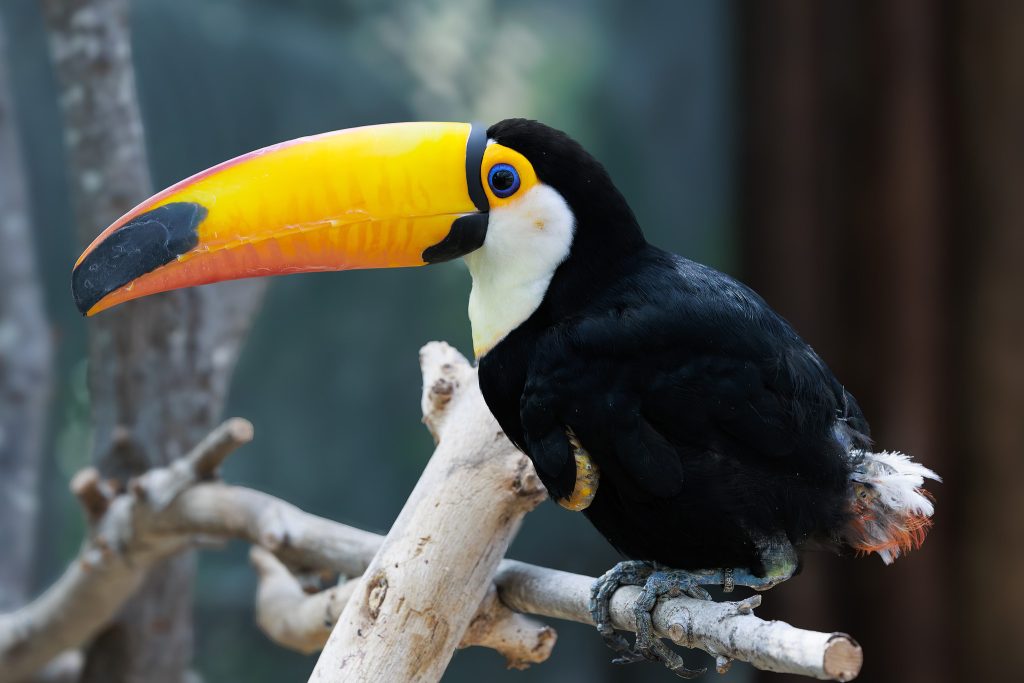
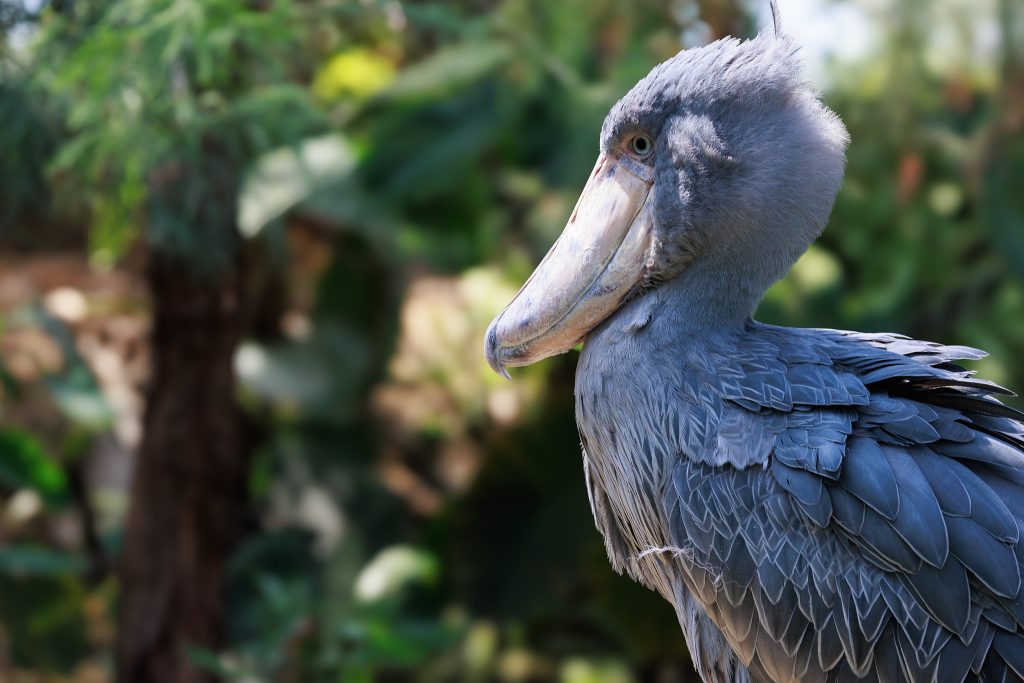
Kobe Animal Kingdom: A wonderful place with huge open enclosures where you can get incredibly close to animals like Chinese Mandarin ducks and the African shoebill—an amazing experience.
Part 2: Remembrance, Serenity, and Culture
Day 5: Poignant Hiroshima
A very poignant day spent exploring the history of Hiroshima, a city that had to be rebuilt after the 1945 atomic bomb.
Atomic Bomb Dome: The only building that wasn’t destroyed by the blast, standing as a powerful and moving symbol of peace.
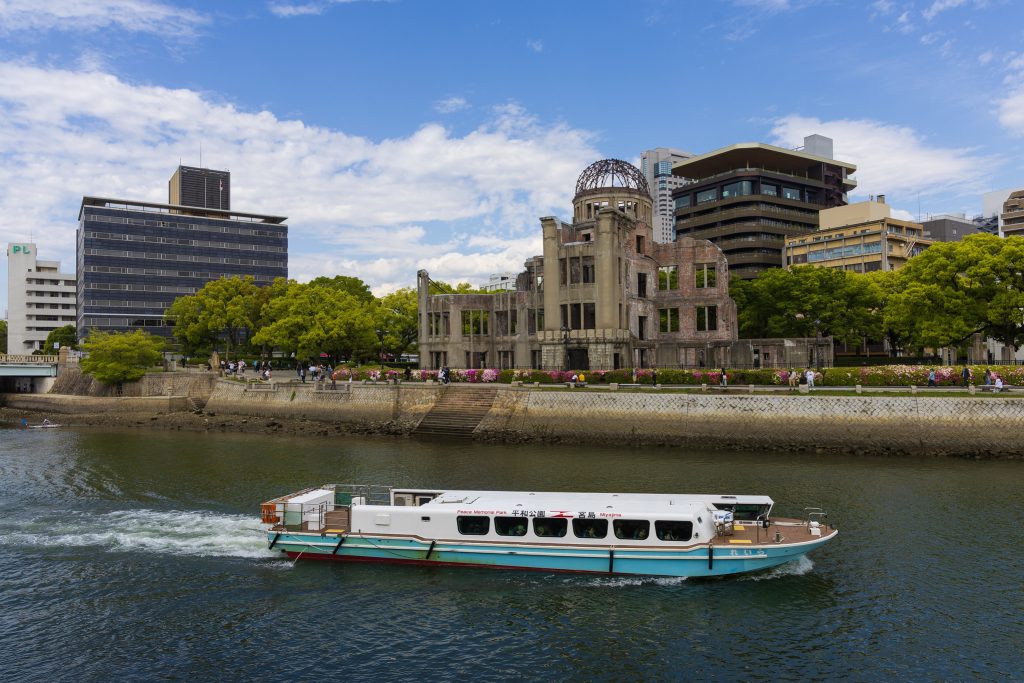
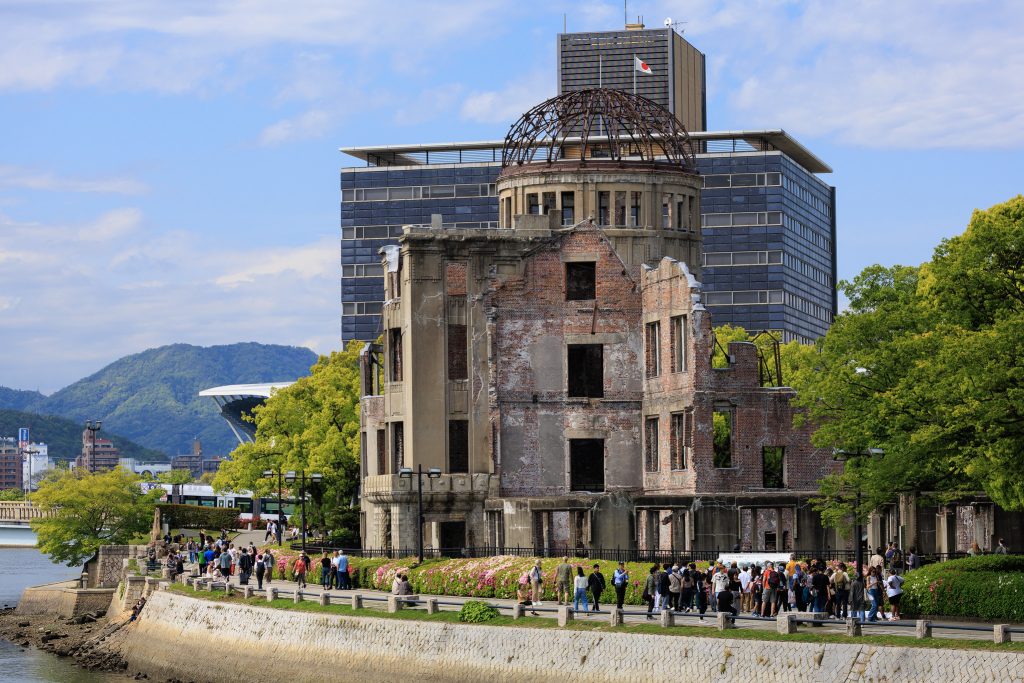
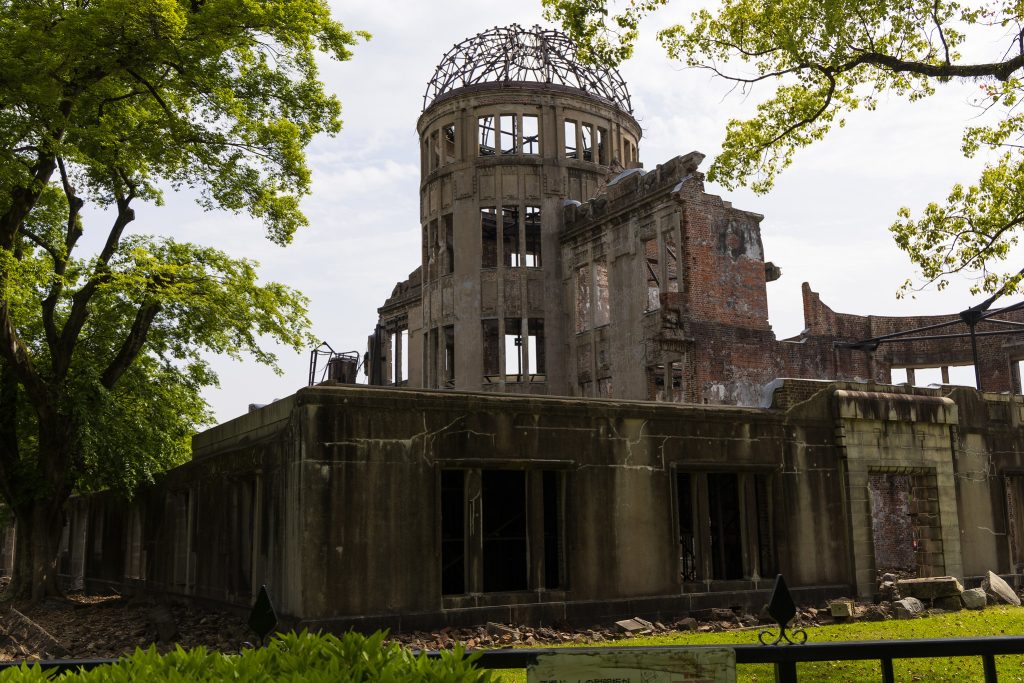
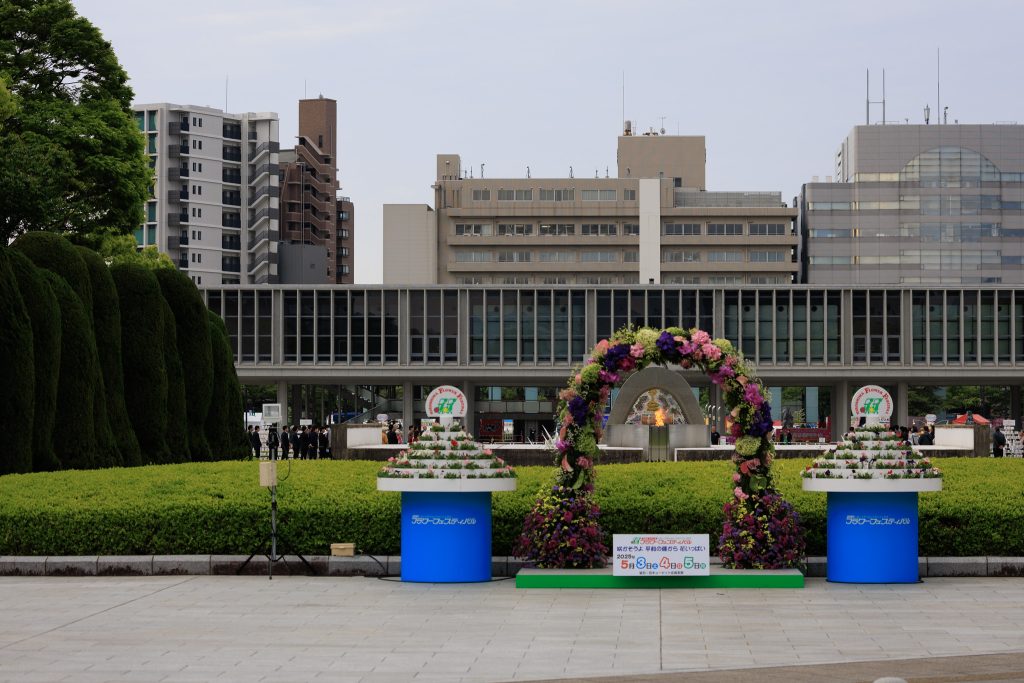
Peace Park & Peace Memorial Museum: A serene, reflective memorial park and an impactful museum documenting the bombing. Be warned, the photographs are very graphic and make for a very emotional experience.
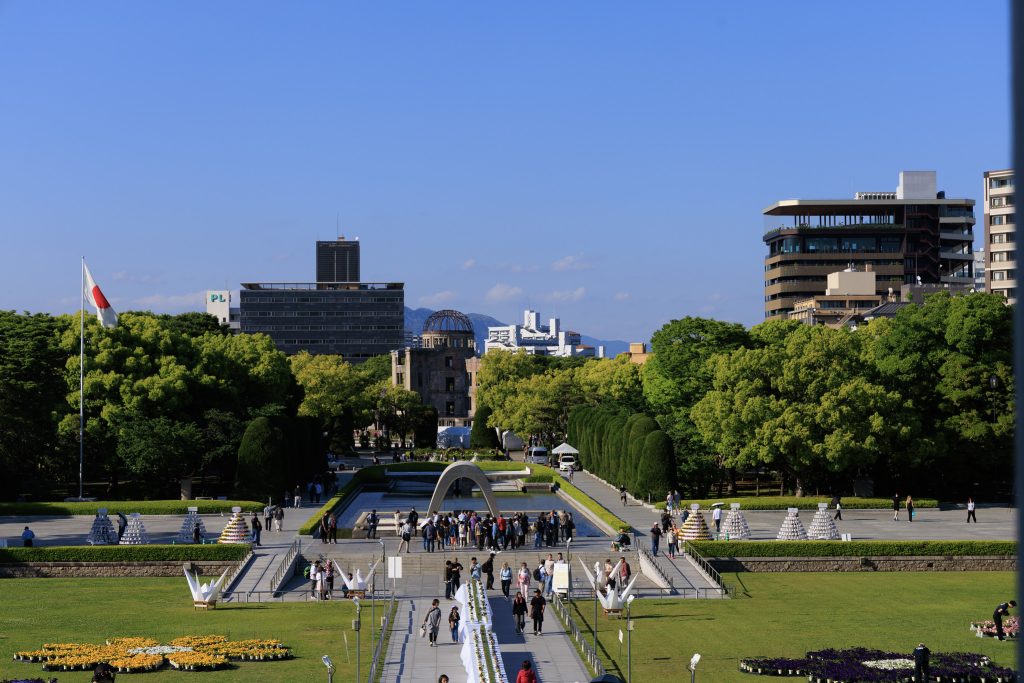
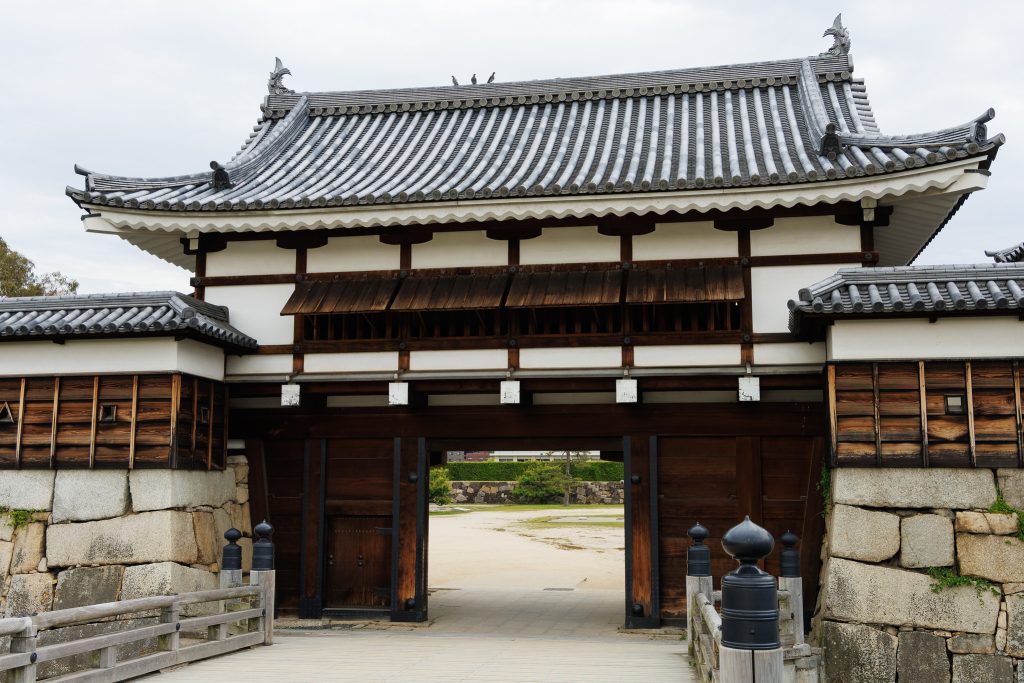
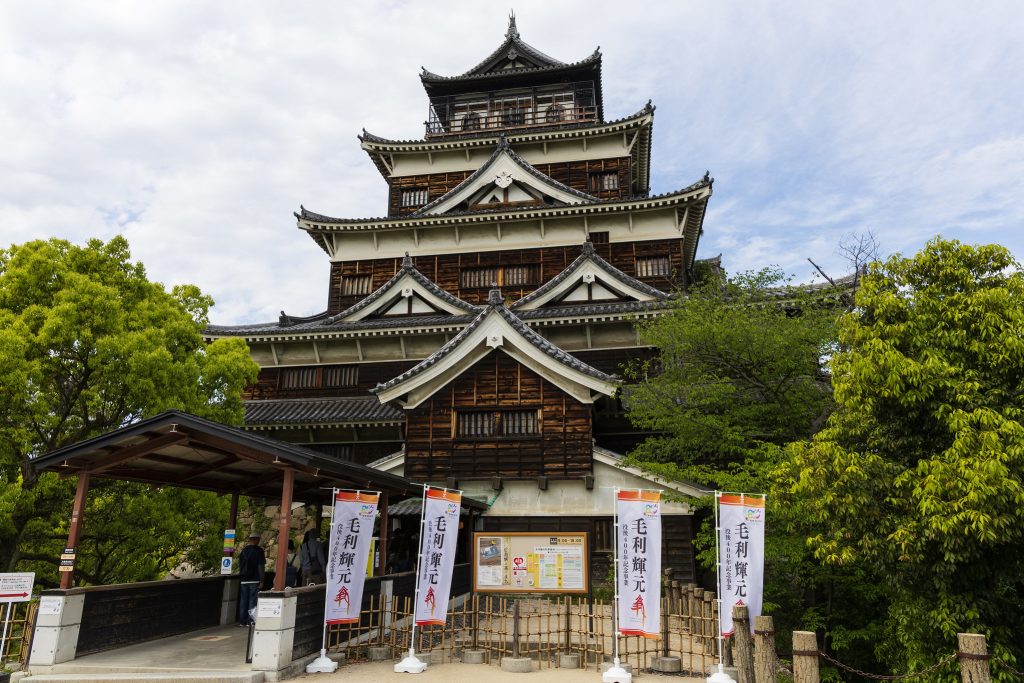
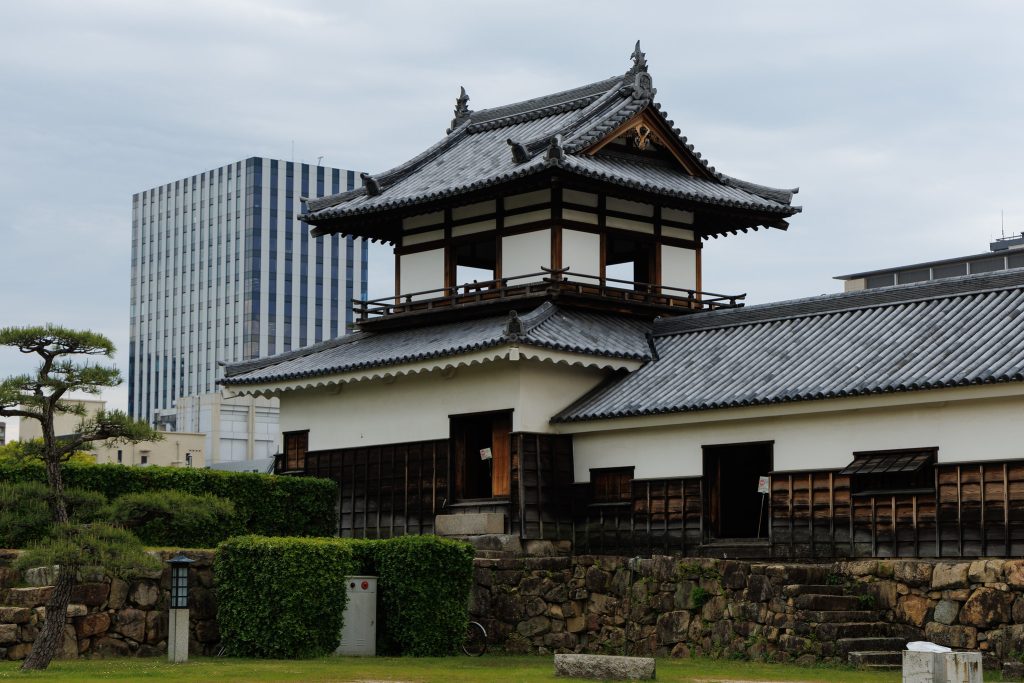
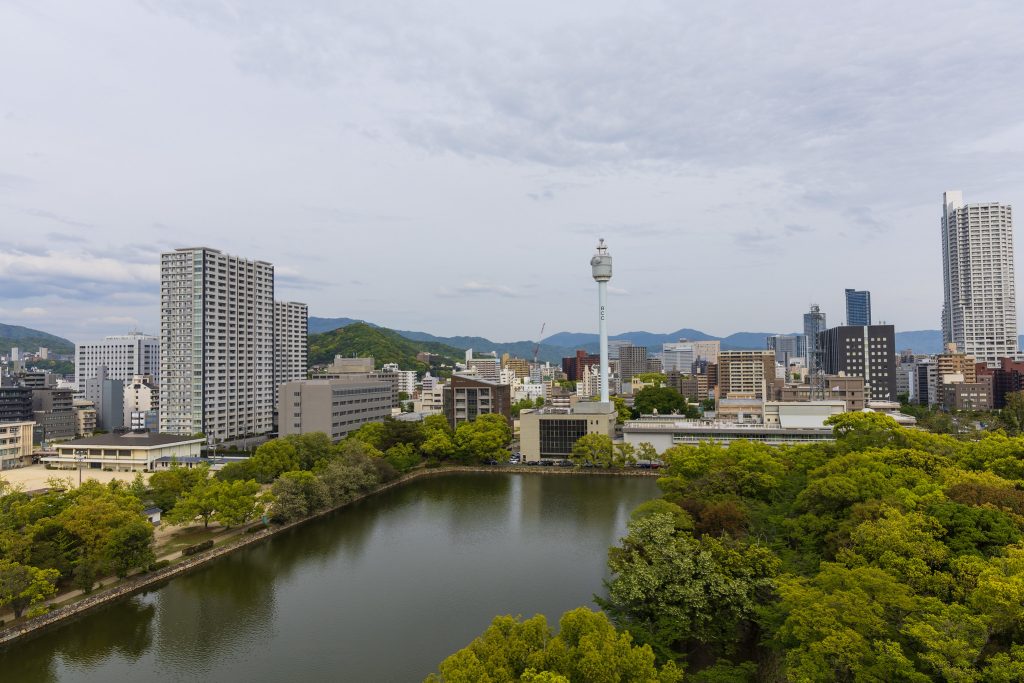
Visited Hiroshima Castle and the Observation Tower Deck for a bird’s-eye view of the city’s incredible recovery.
Day 6: Floating Torii of Miyajima
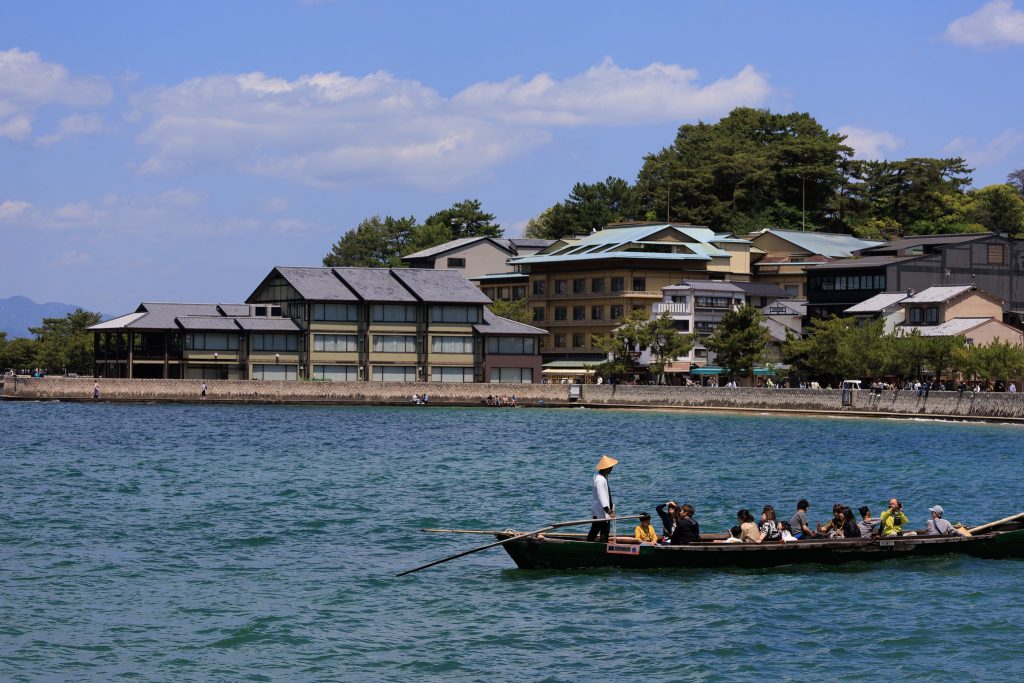
This is a great day trip from Hiroshima, easily reached by speed boat or ferry. The island is famous for shrines, temples, and more wild deer!
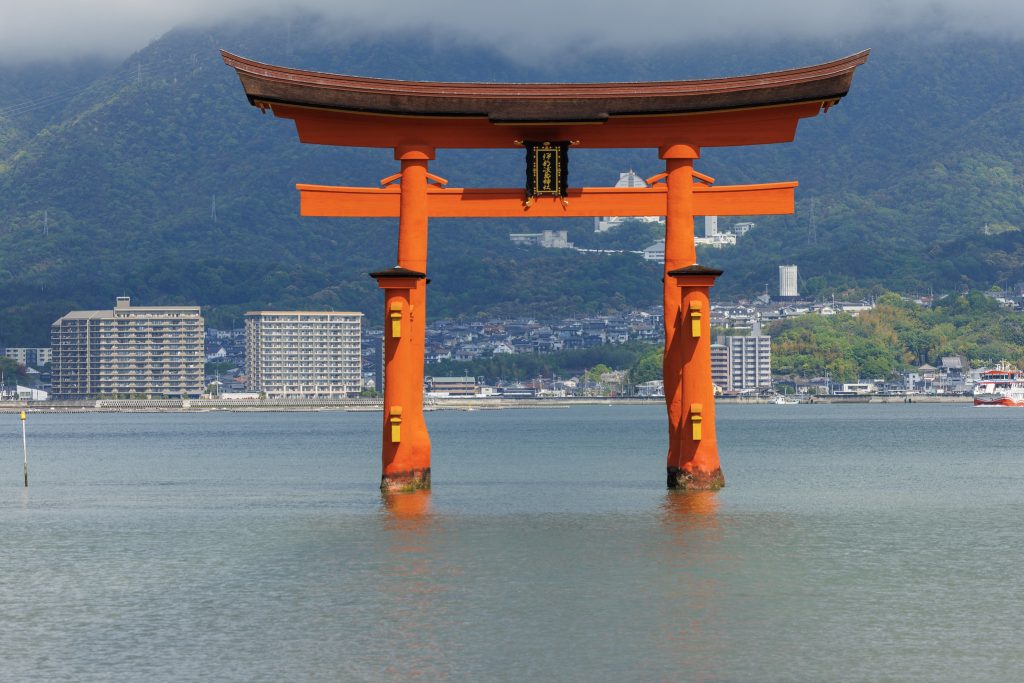
Miyajima Torii Gate: The iconic “floating” gate and entrance to the sacred Itsukushima Shrine. Travel tip: Head straight there upon arrival to beat the crowds and get close to the gate.
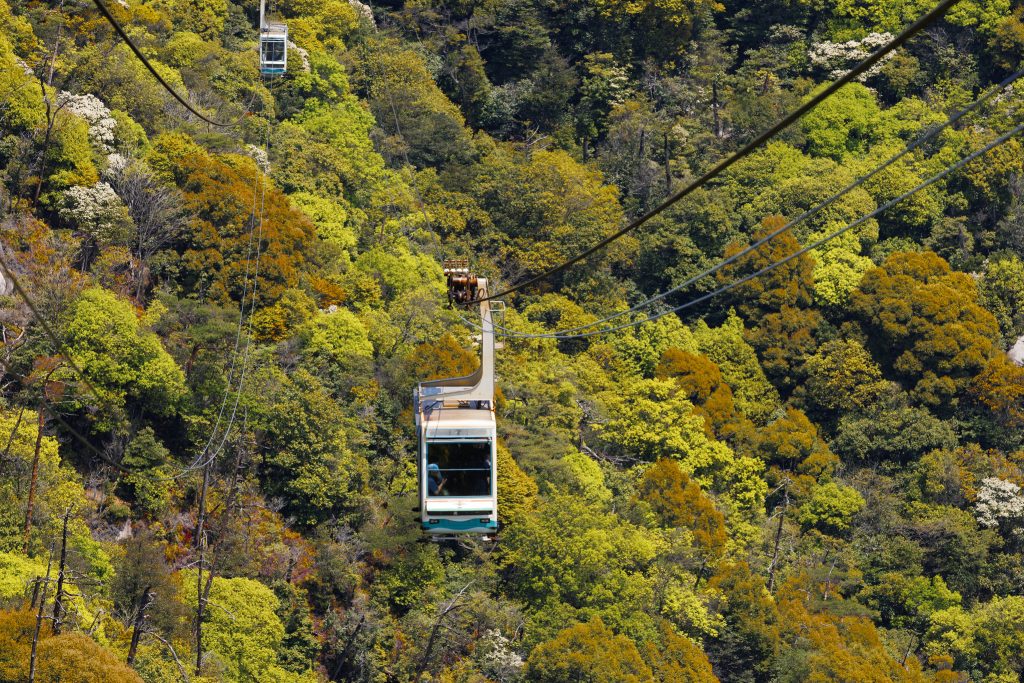
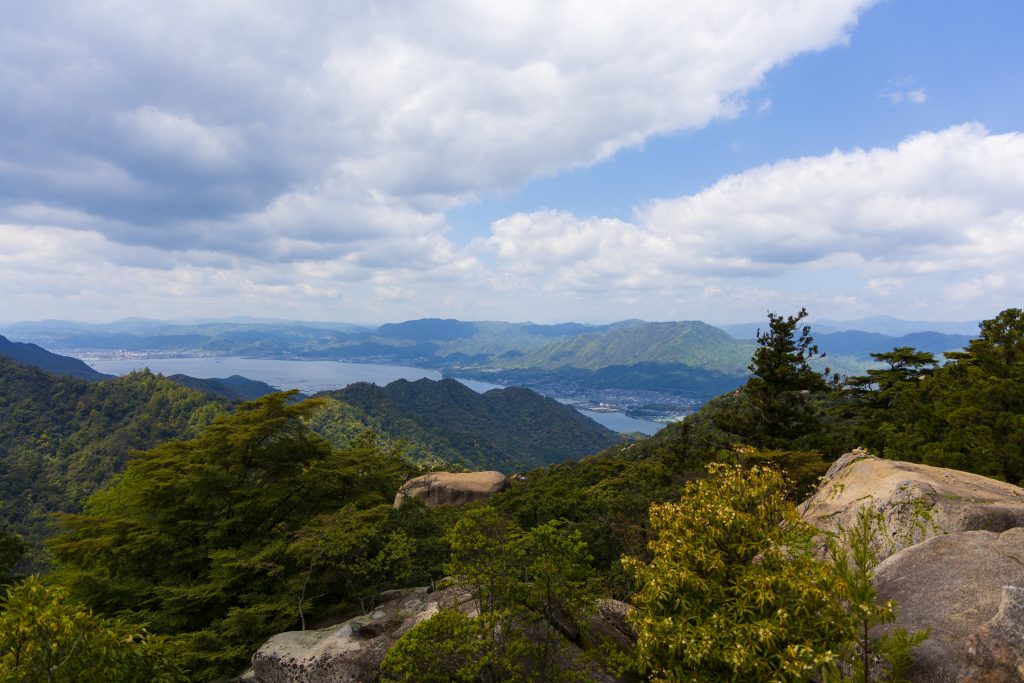
Miyajima Ropeway: A scenic cable car ride offering breathtaking views of the Seto Inland Sea, with various hiking routes to explore the mountain further.
Days 7 & 8: Historical Kyoto
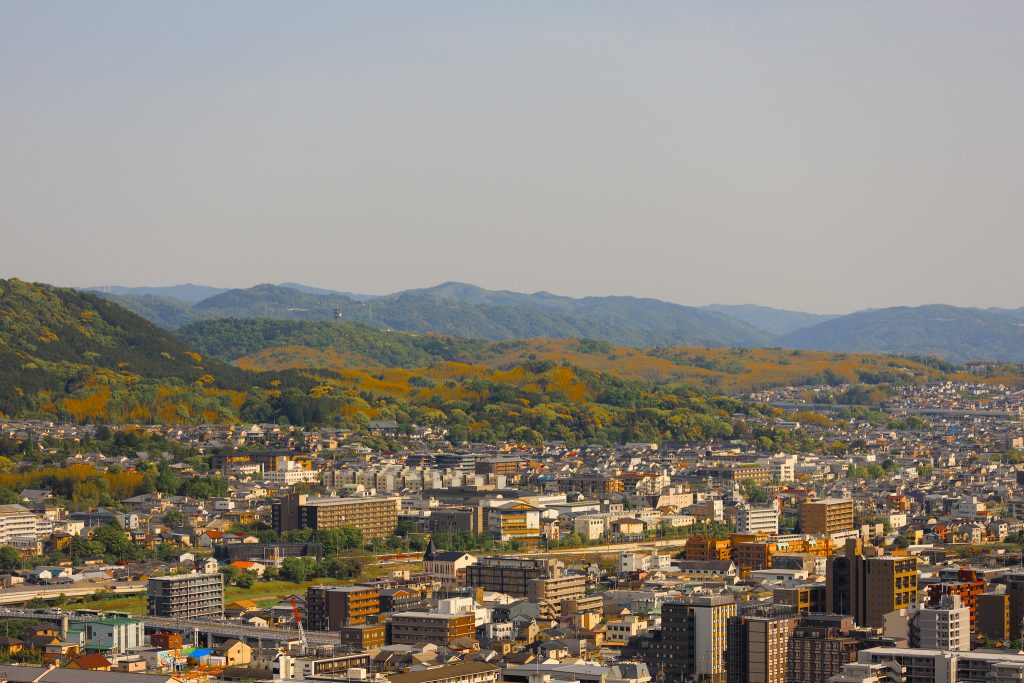
Kyoto is the heart of traditional Japan, and its historical center is unforgettable.
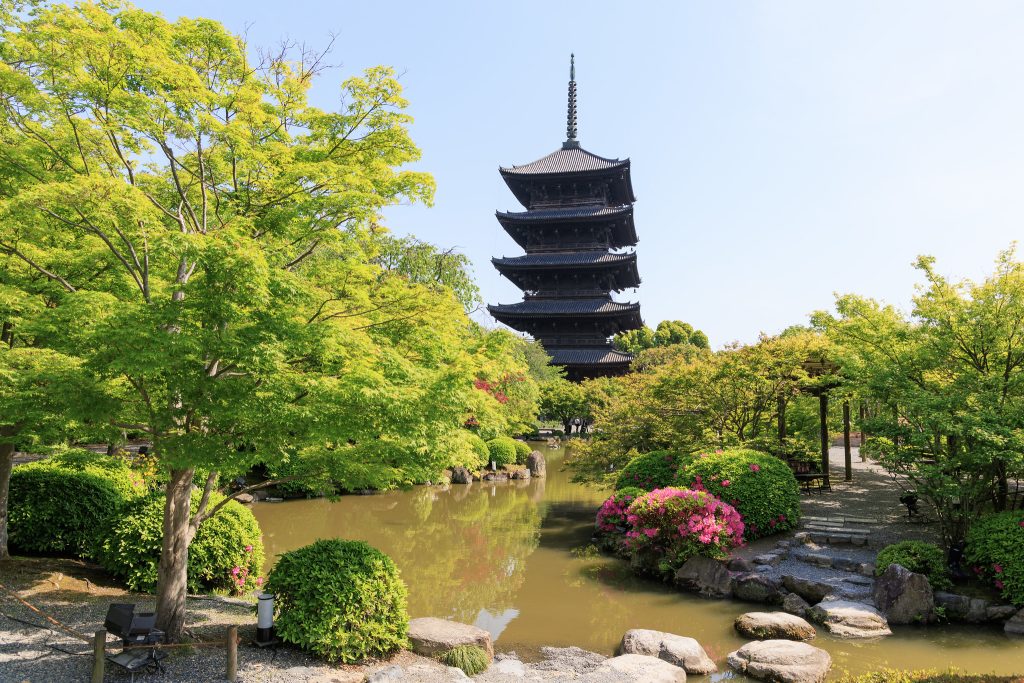
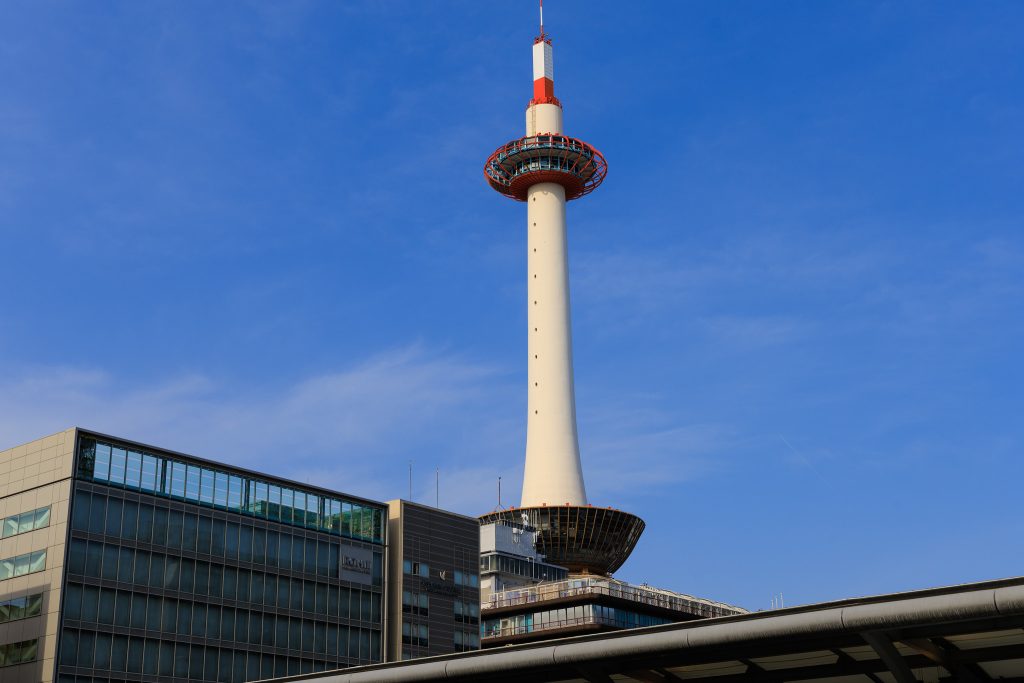
To-ji Temple & Nidec Kyoto Tower Started with To-ji Temple, home to the tallest wooden pagoda in Japan (55 meters), then contrasted it with the modern views from the Nidec Kyoto Tower, the tallest structure in Kyoto.
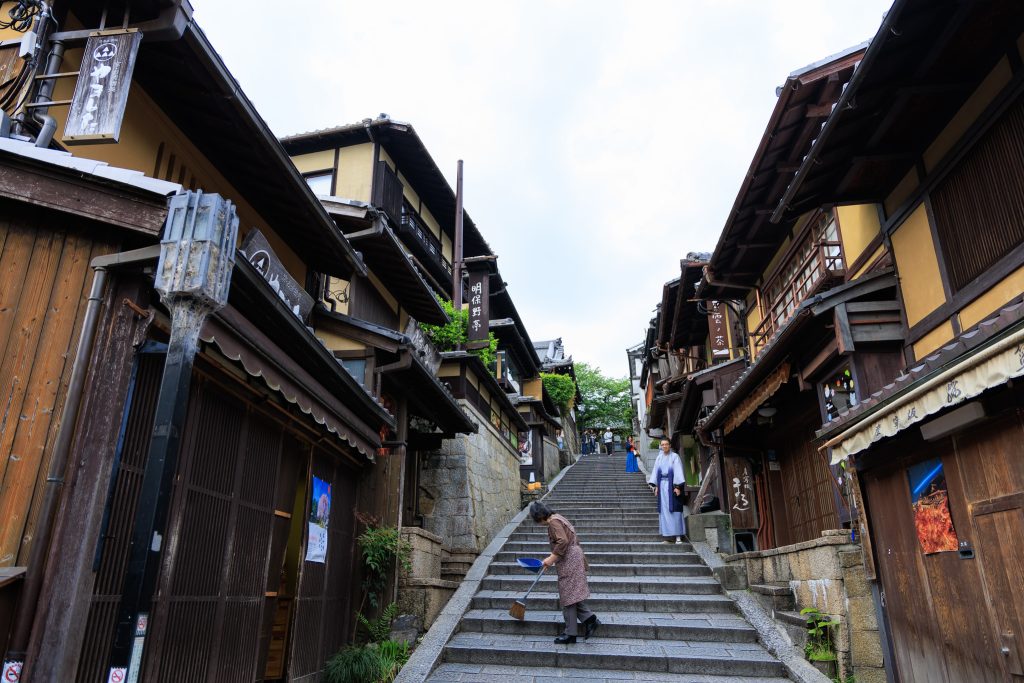
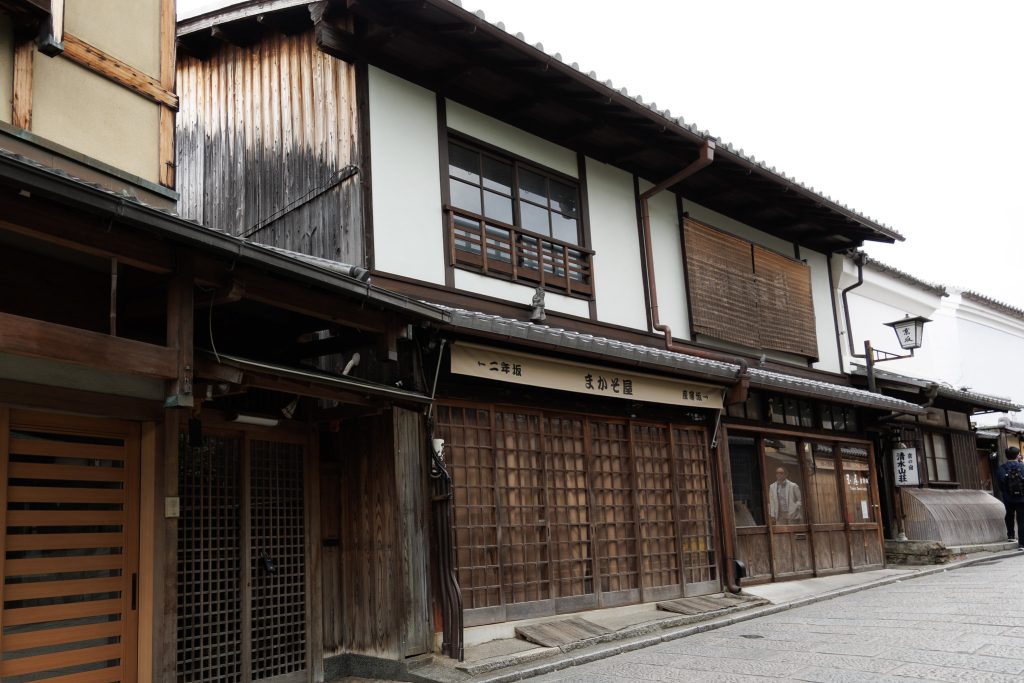
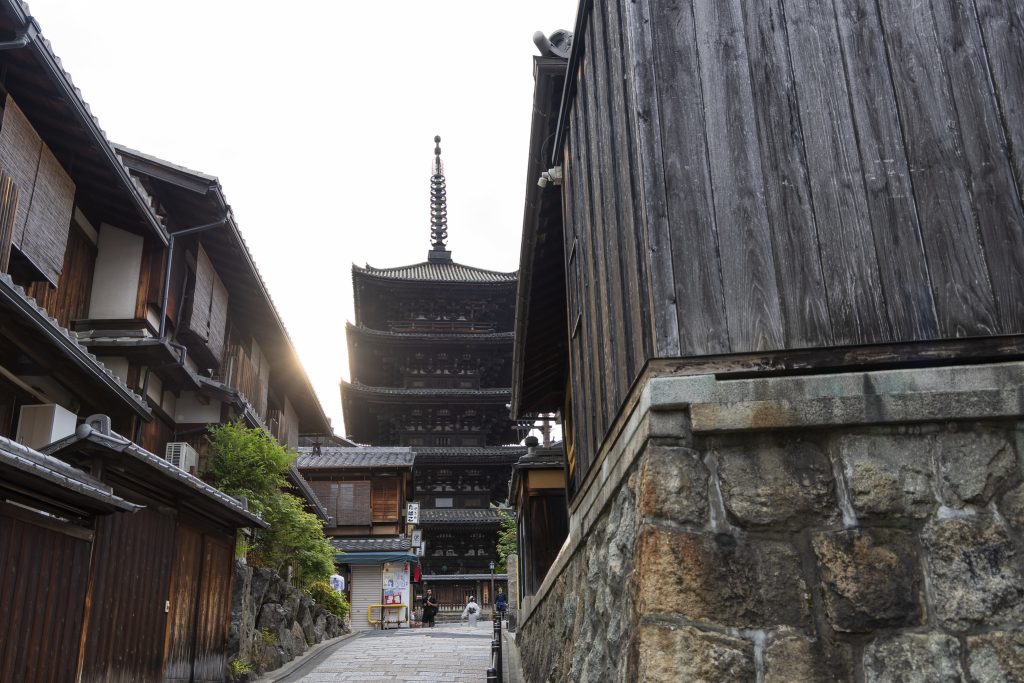
Gion District: The famous Geisha district, where walking through the machiya (traditional wooden merchant houses) feels like stepping back in time.
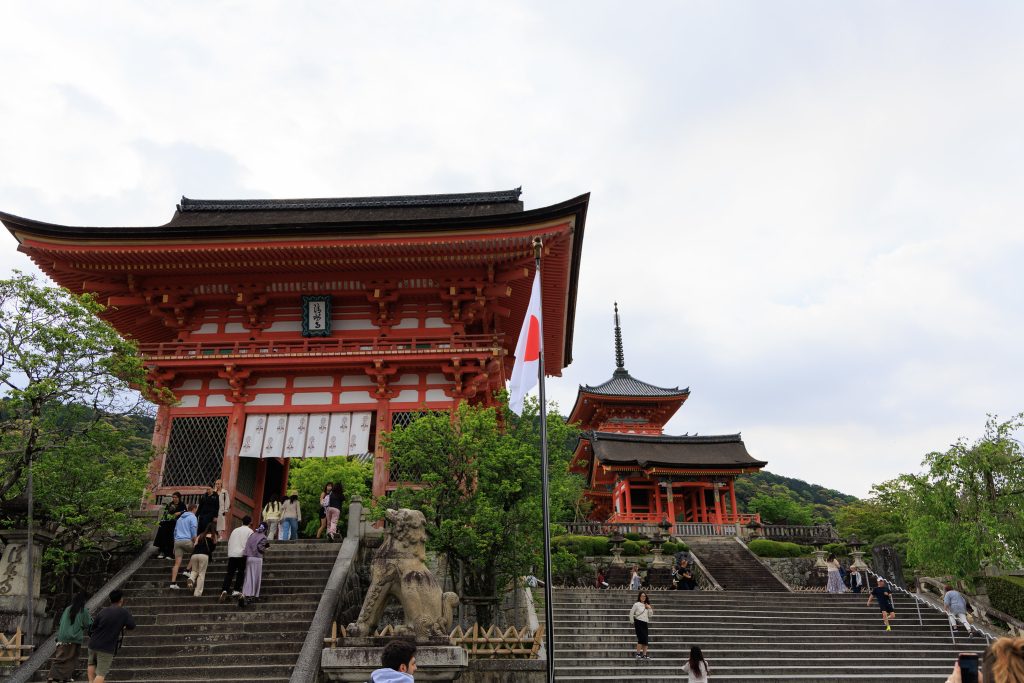
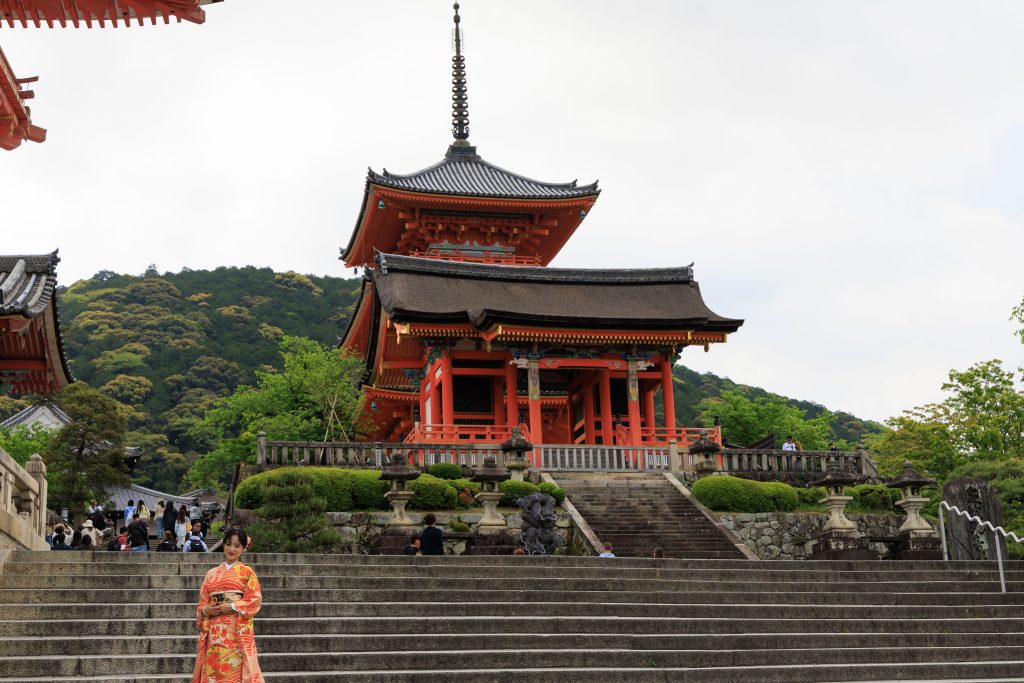
Kiyomizu-dera: A UNESCO World Heritage site whose main hall features a massive wooden stage built without a single nail—a truly mind-blowing marvel of Japanese engineering.
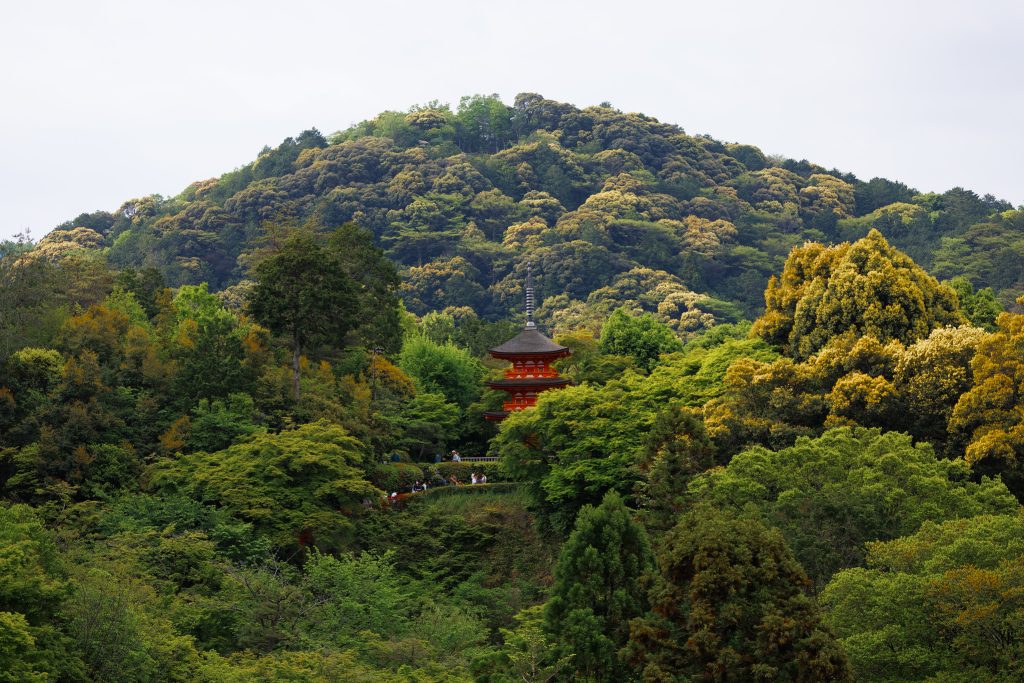
Nijō Castle: The former residence of the Tokugawa shoguns, famous for its “nightingale floors” (uguisubari) that chirp when walked upon to warn of intruders.
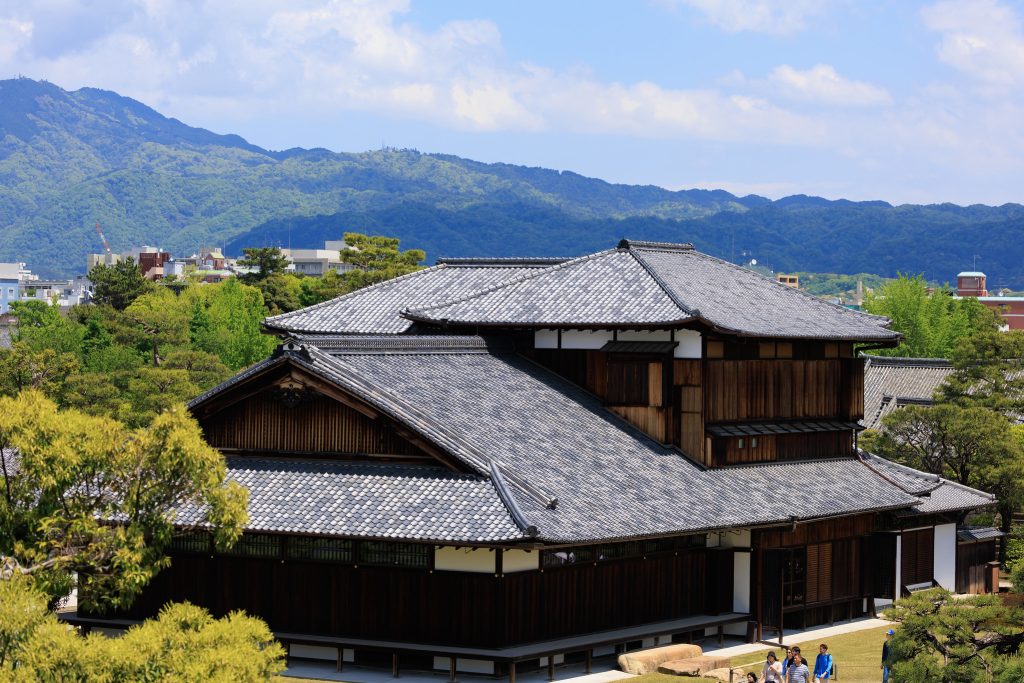
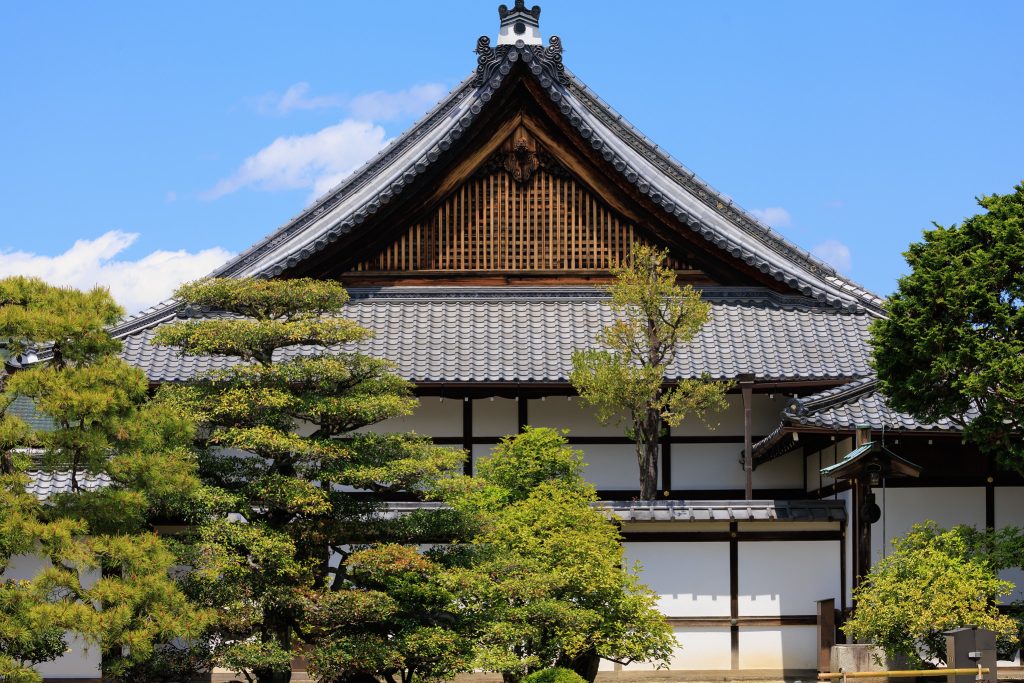
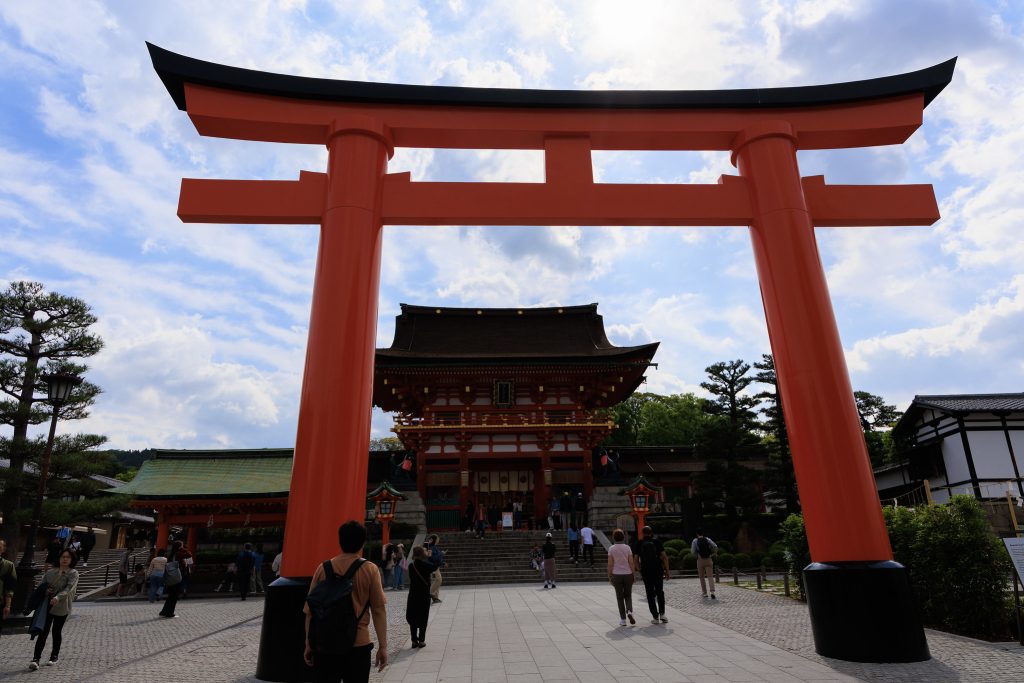
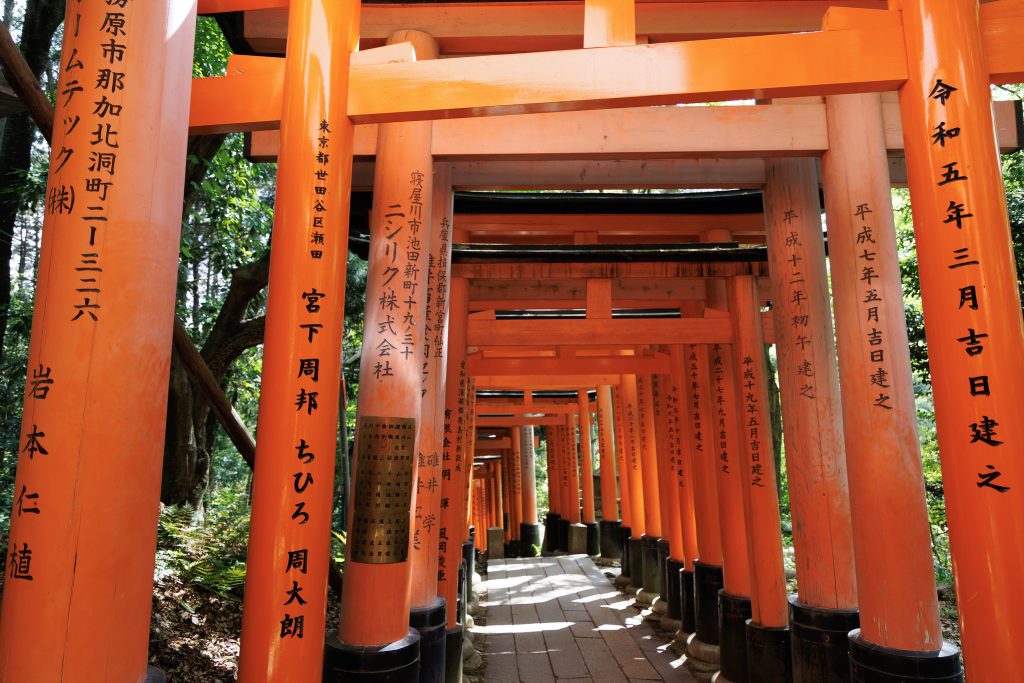
Fushimi Inari-taisha (Senbon Torii): We walked through the famous thousands of vermilion torii gates that straddle the trails up sacred Mount Inari—an incredible photo spot!
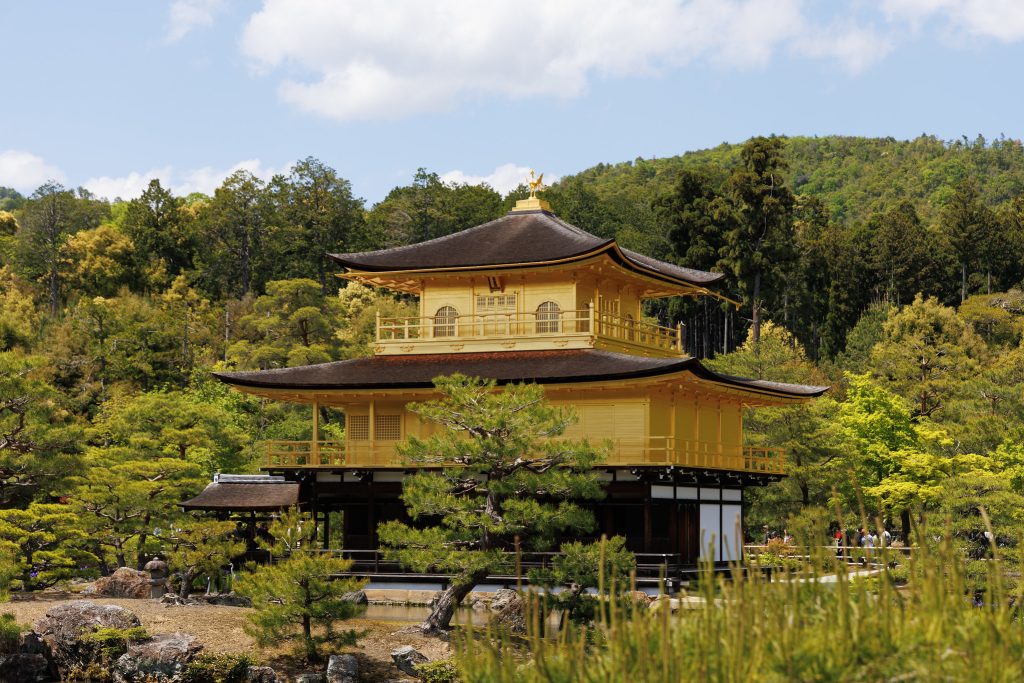
Kinkaku-ji (Golden Pavilion): The top two floors are completely covered in gold leaf. A truly stunning sight against the water.
Part 3: The Modern Metropolis and Natural Beauty
Day 9: Journey to Tokyo
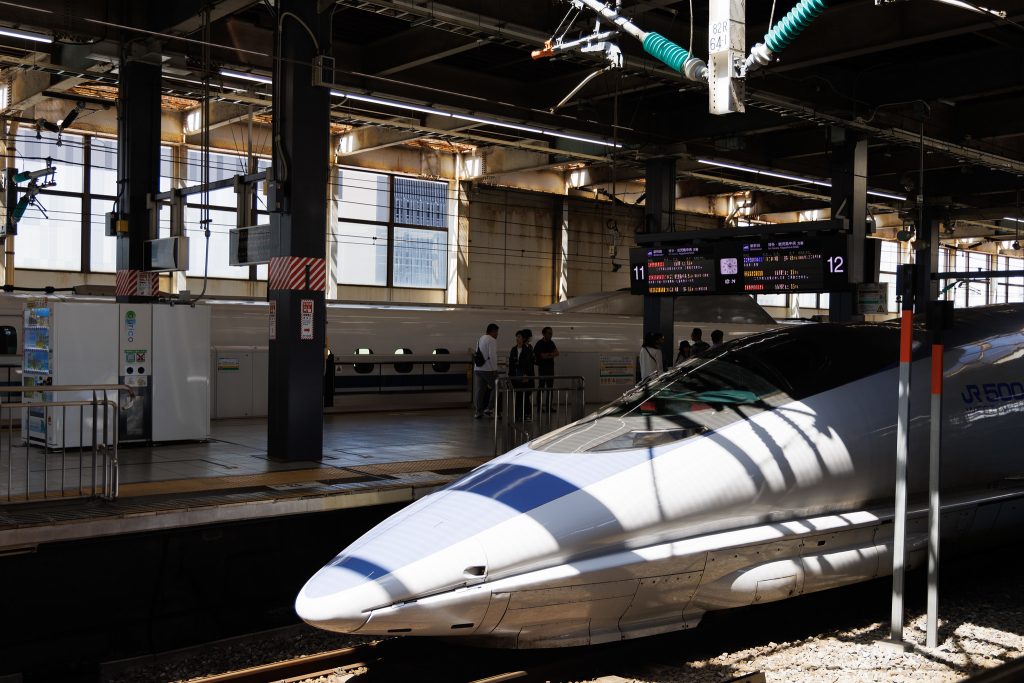
The journey from Kyoto to Tokyo on the Shinkansen (Bullet Train) took just over 2 hours a fast and comfortable way to travel!
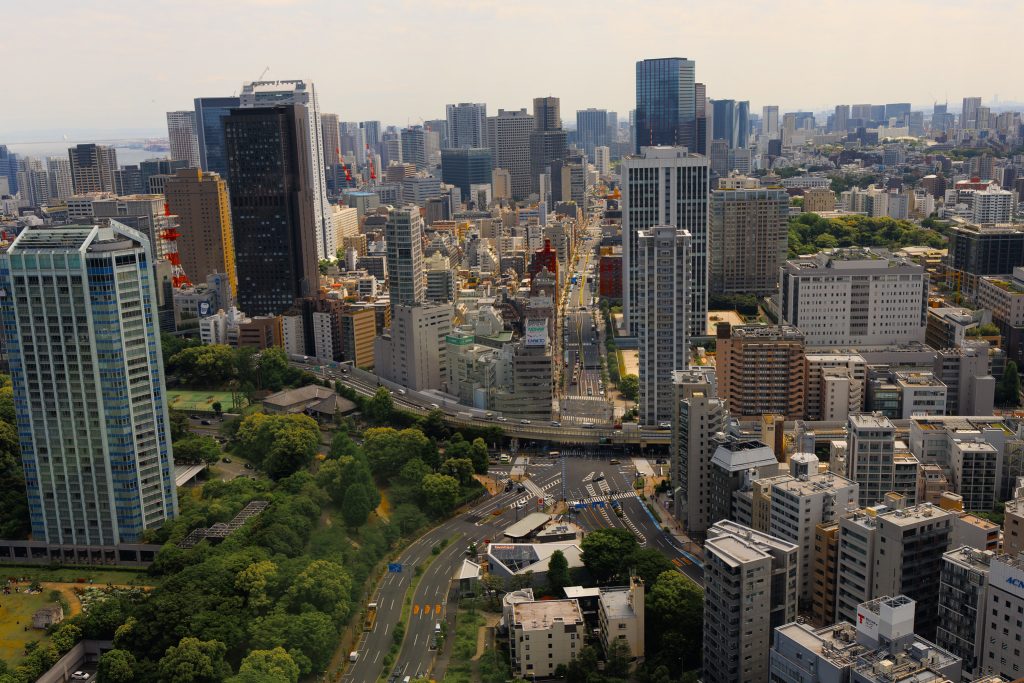
Shinjuku Metropolitan Government Building: We found a fantastic free alternative to the Tokyo Skytree or Tokyo Tower. Its observation deck offers panoramic views of Tokyo and, on clear days, you can even spot Mount Fuji! Definitely go here to save money.
Day 10: Tokyo – Culture & Tech
Tokyo is a blend of old tradition and hyper-modern technology.
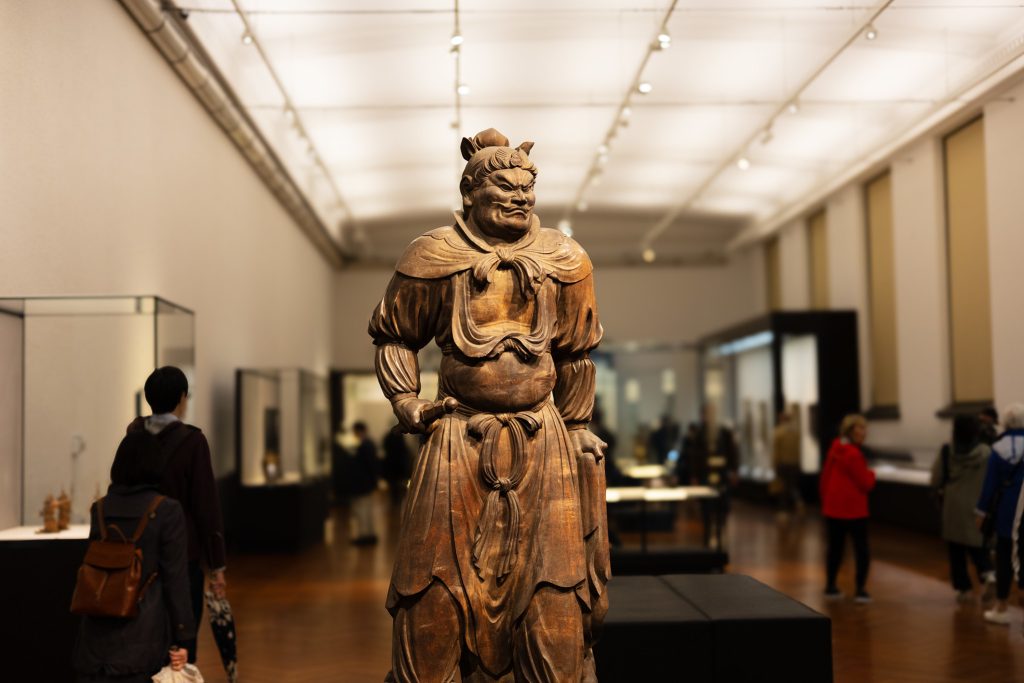
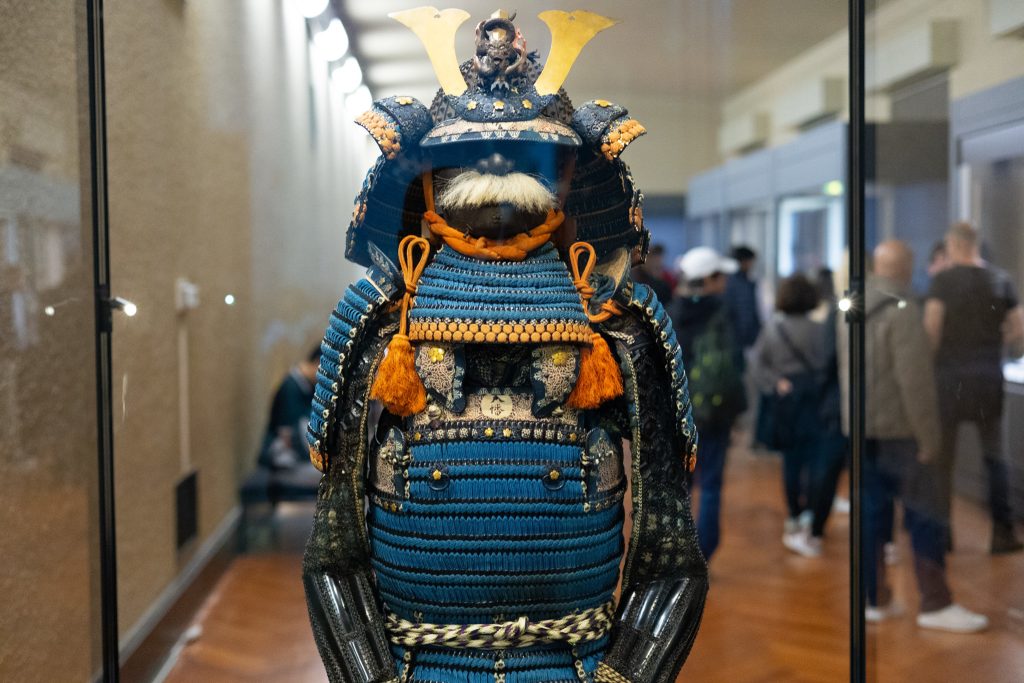
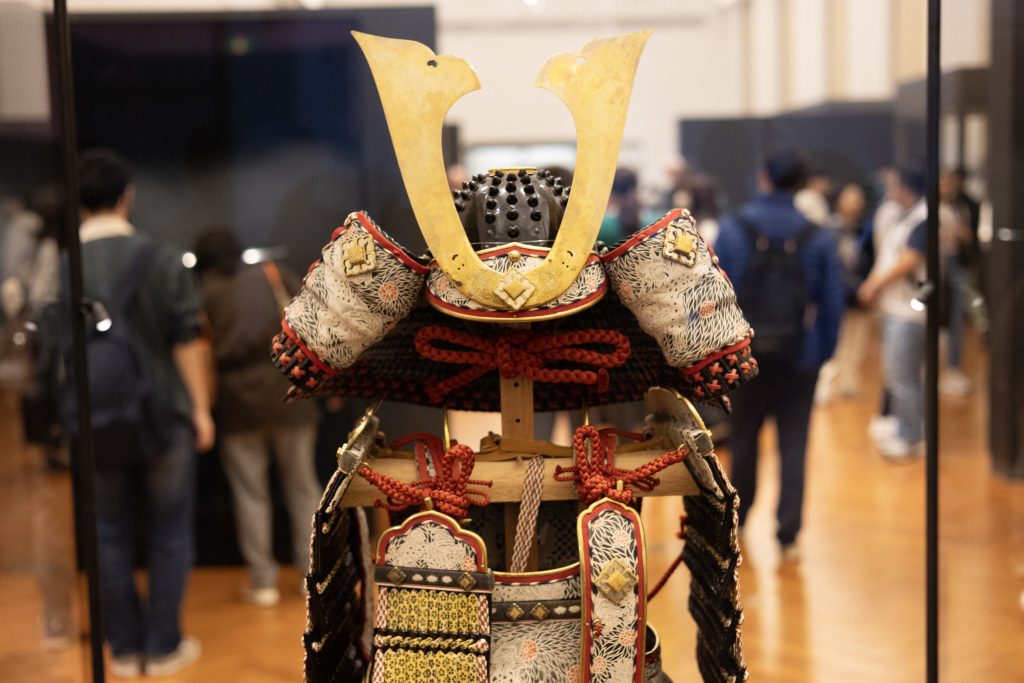
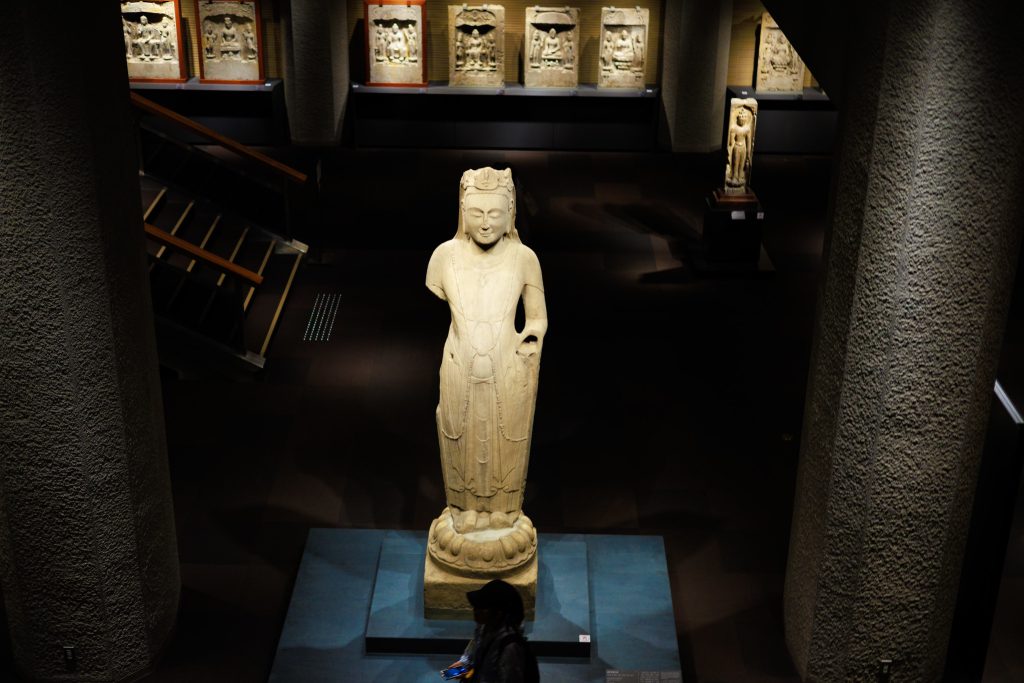
Tokyo National Museum: It rained the whole day so visited the Tokyo National Museum located in Ueno Park, which is the oldest national museum in Japan. It houses a vast collection of art and archaeological artefacts, including samurai armour and katana swords, providing deep theoretical insight into Japanese martial history.
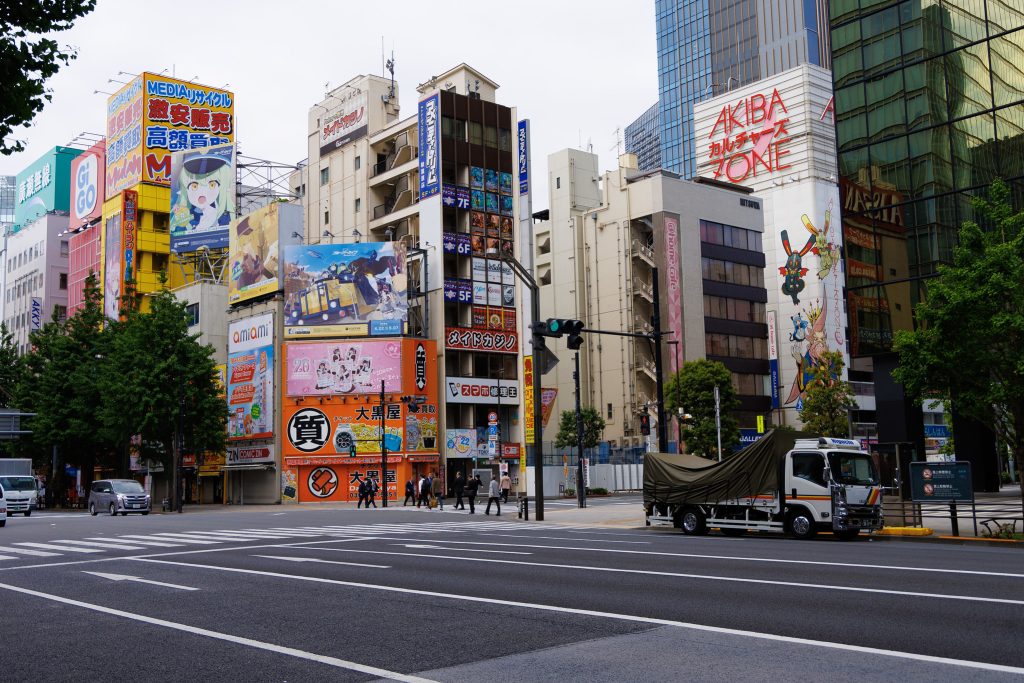
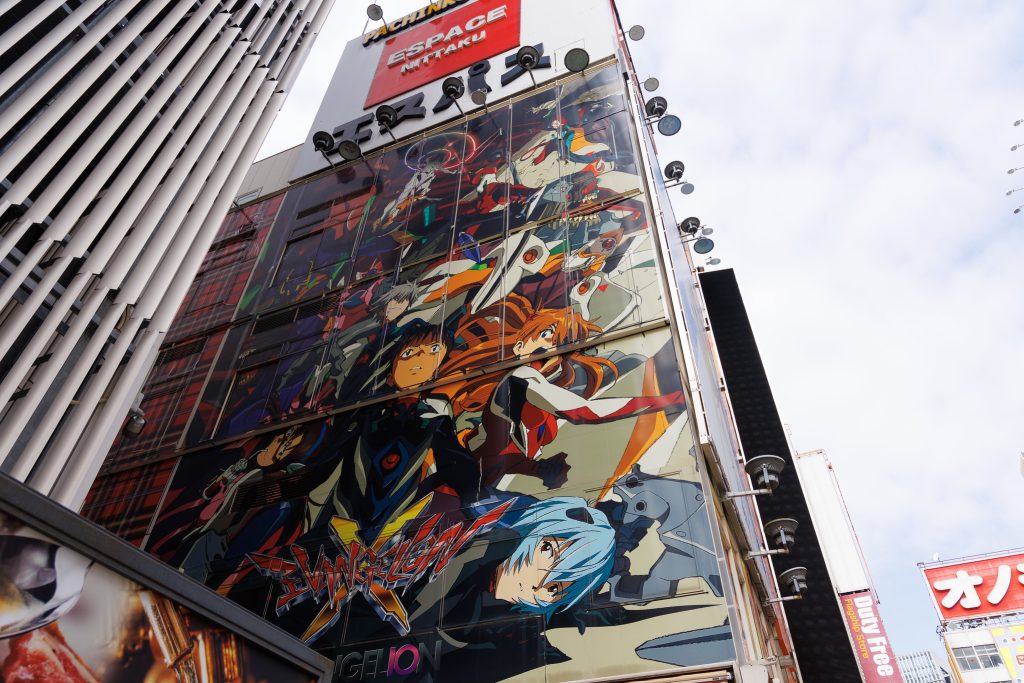
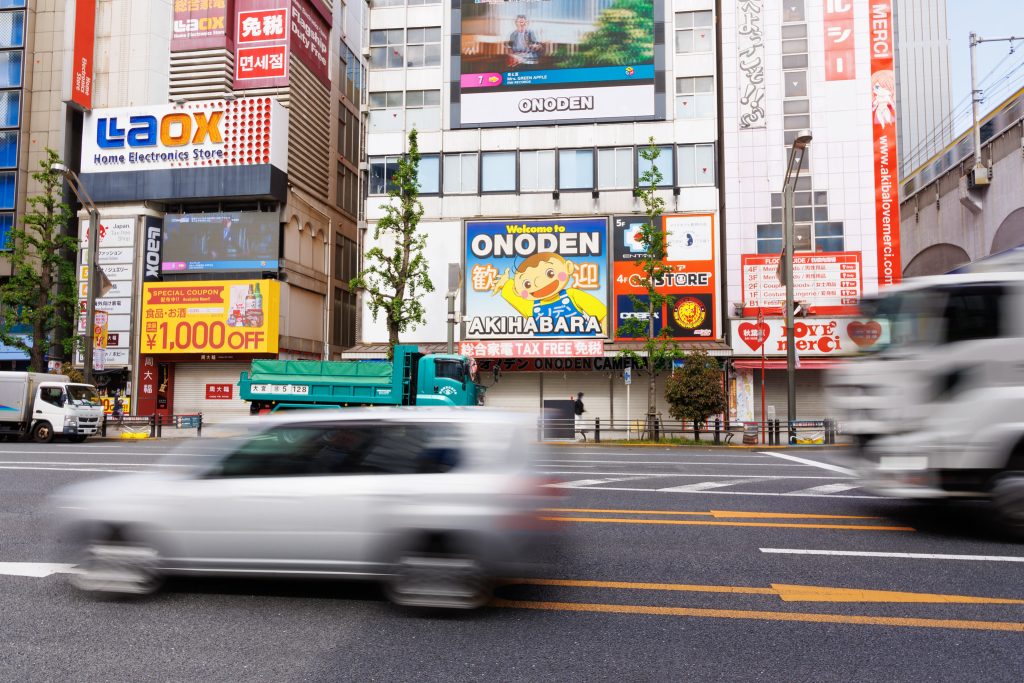
Akihabara Electronics District (“Electric Town”): The center of Japan’s otaku (diehard fan) culture. As a video game fan, visiting “Super Potato” for retro gaming history was a must, along with checking out the various Sega/Gigo arcades.
Day 11: Mount Fuji – The Iconic Landscape
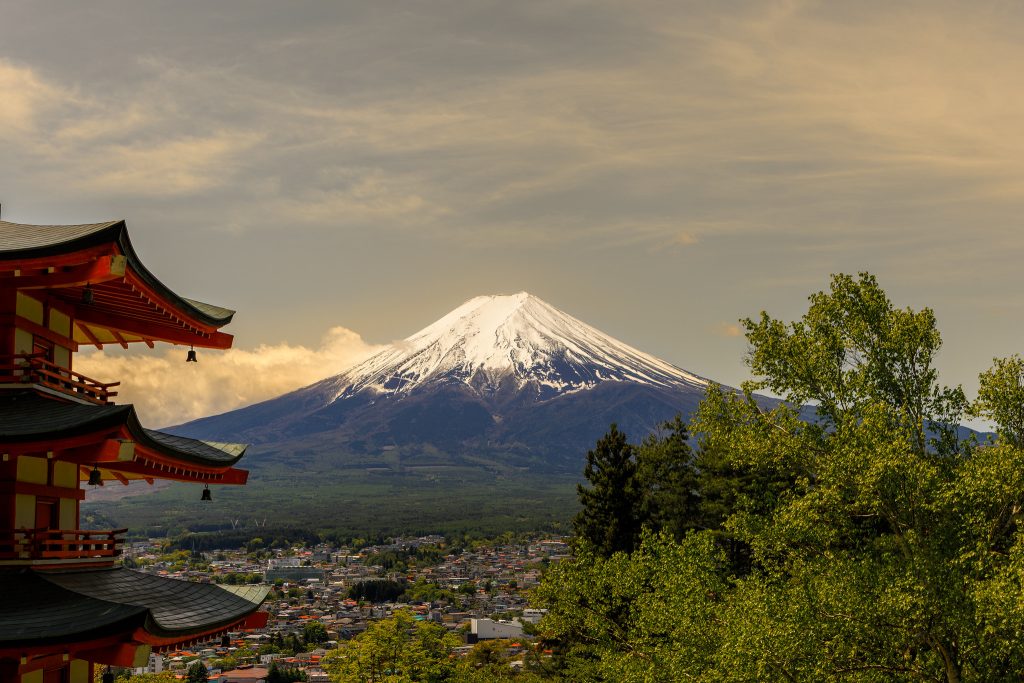
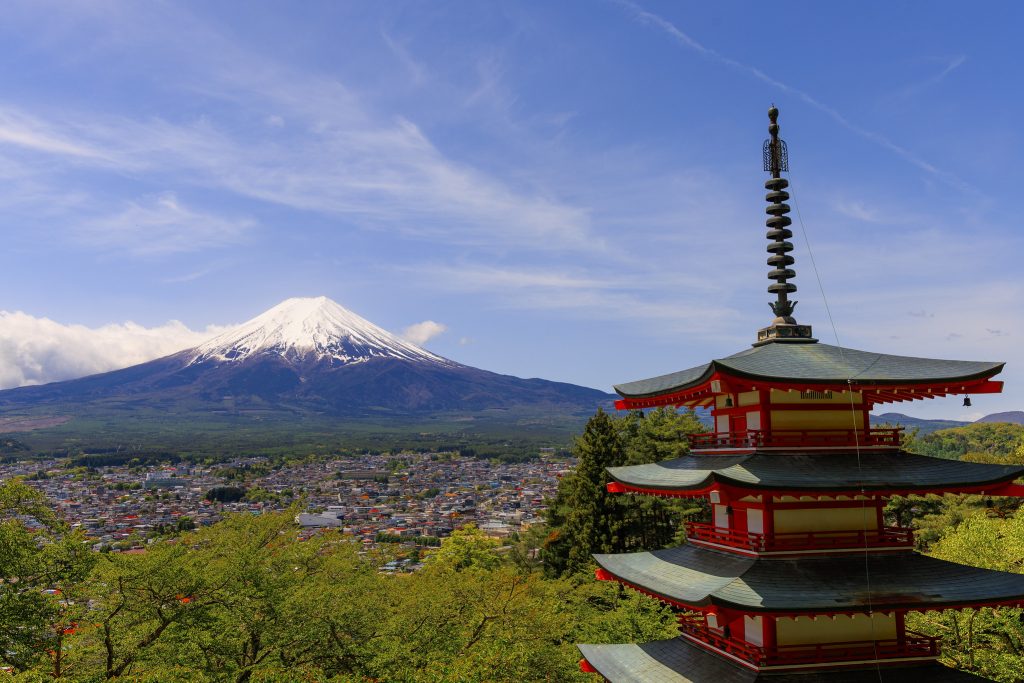
Chureito Pagoda: This day was all about getting that classic photo! We visited the Chureito Pagoda, which is the location of the “classic” Japan photo featuring the pagoda in the foreground with Mount Fuji in the background. It is worth the climb.
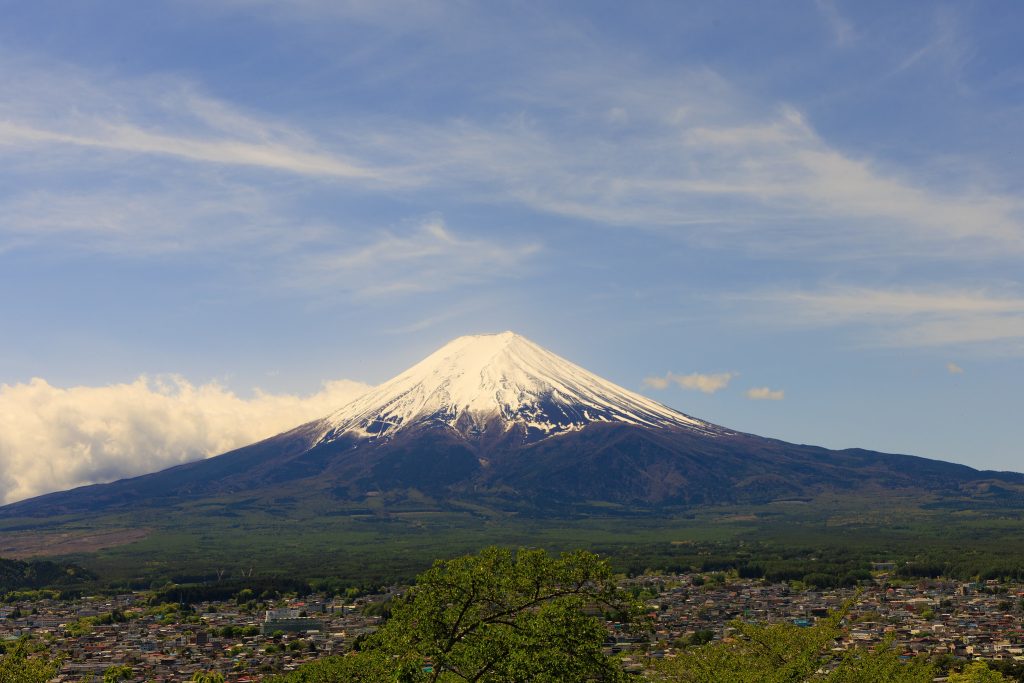
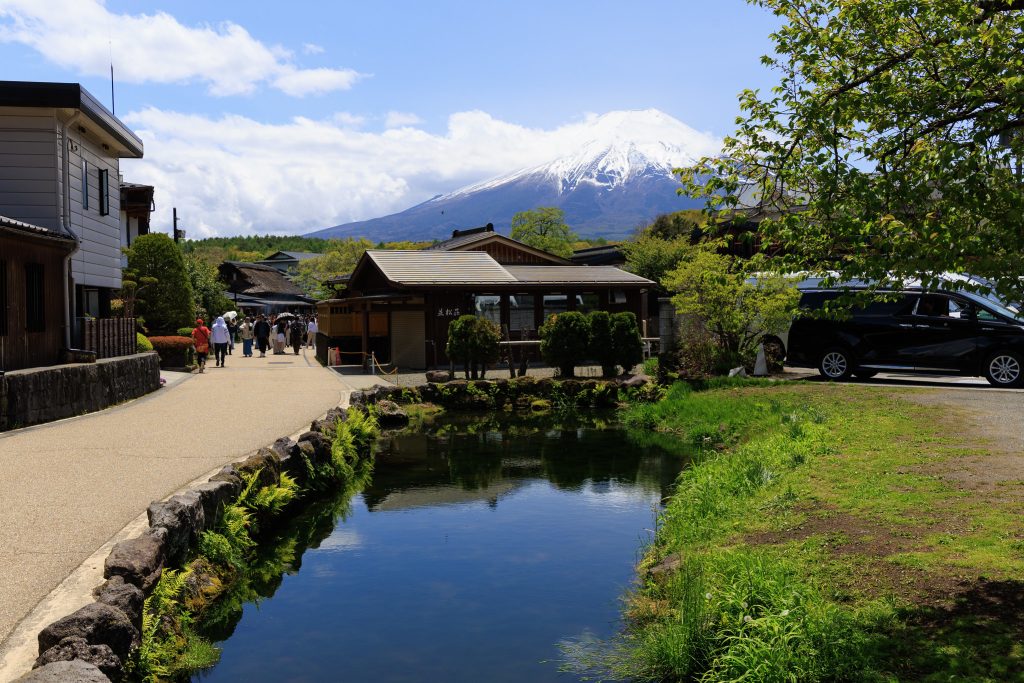
Lake Kawaguchi: On a calm day, the lake acts as a perfect mirror for the mountain. We were lucky enough to catch a great reflection.
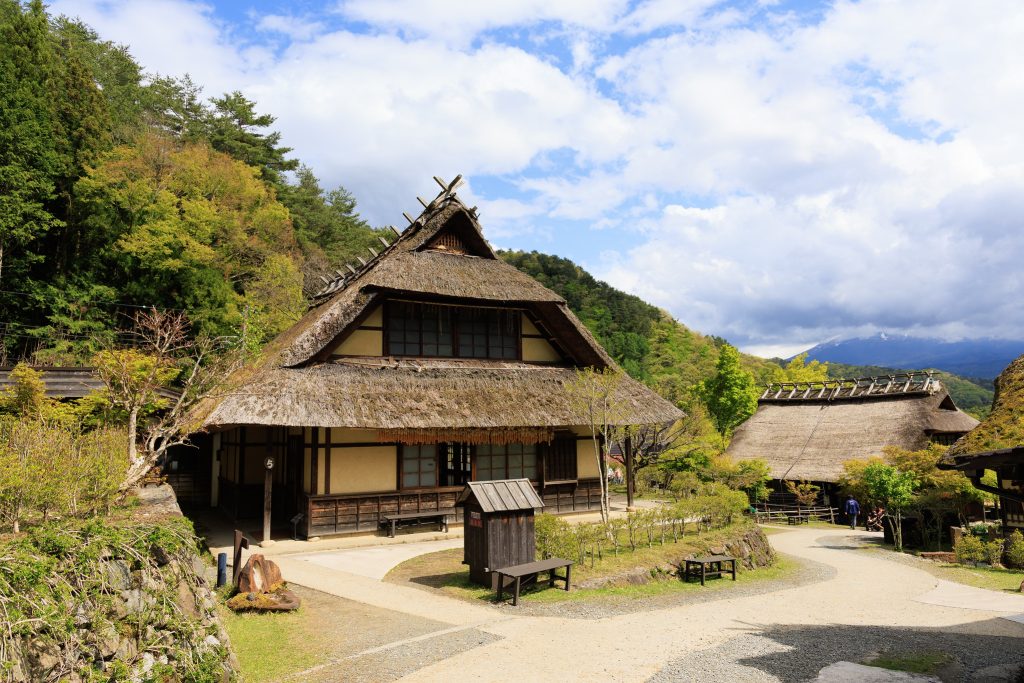
Saiko Iyashi no Sato Nemba: A beautiful, reconstructed traditional Japanese village with thatched-roof houses, now an open-air museum and craft village.
Day 12: Tokyo – Nature & Tradition
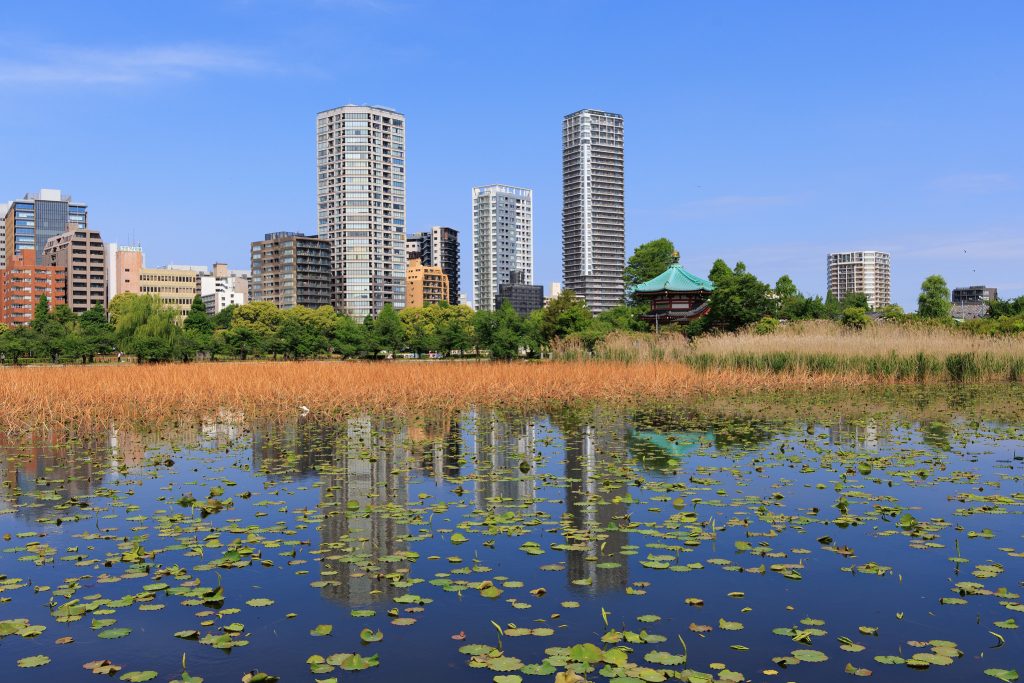
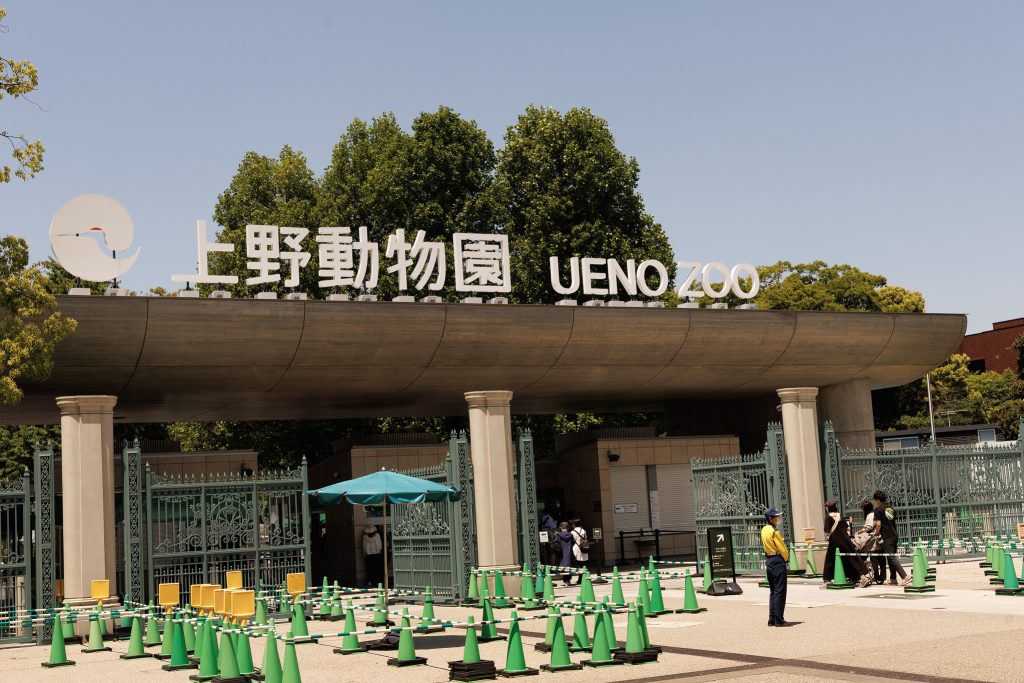
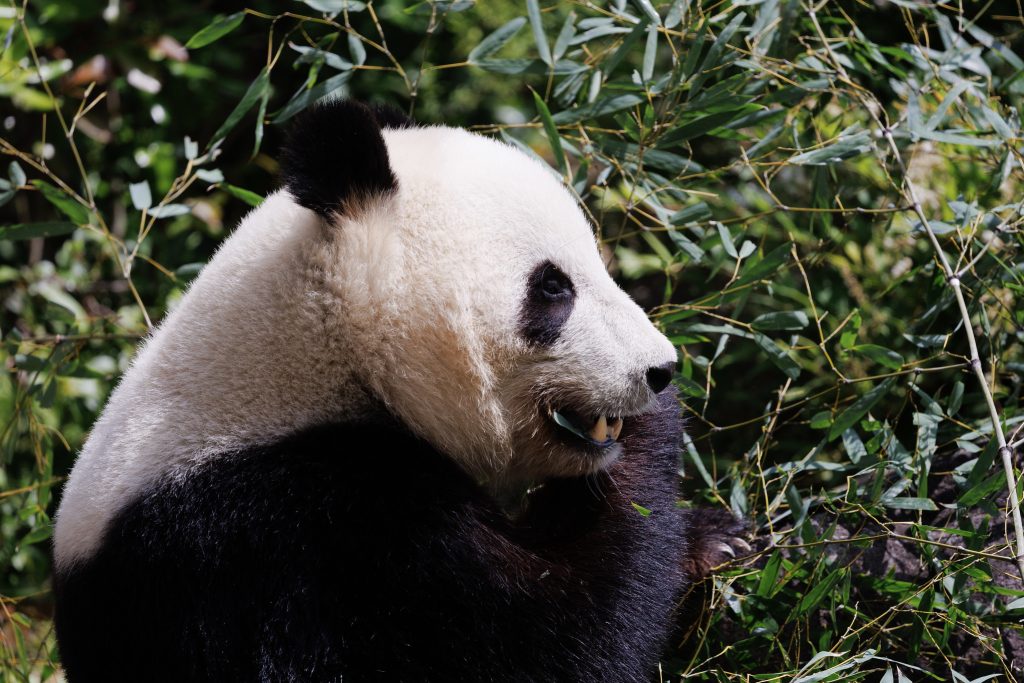
Ueno Park & Ueno Zoo: Started the day at Ueno Zoo, Japan’s oldest zoo, opened in 1882. It is located in Ueno Park, a massive public park known for its museums and shrines. It is a prime spot for bird watching in the city; keep an eye out for Azure-winged Magpies, which are common here but rare in Europe a nice little wildlife bonus!
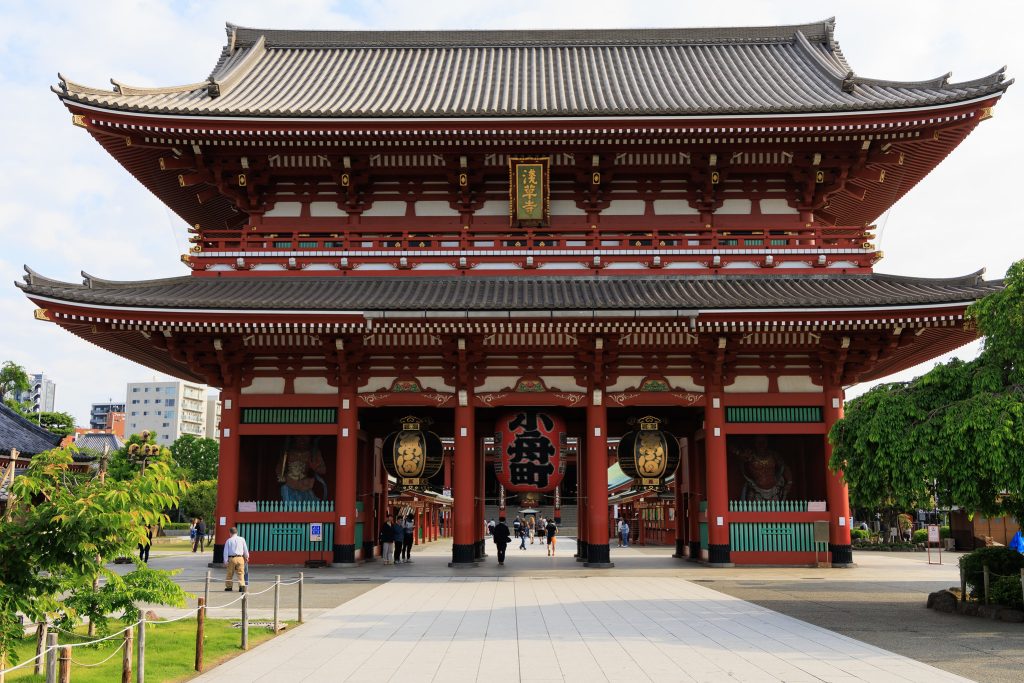
Senso-ji Temple: Tokyo’s oldest temple in Asakusa. The Kaminarimon (Thunder Gate) with its massive red lantern is a major symbol of the city.
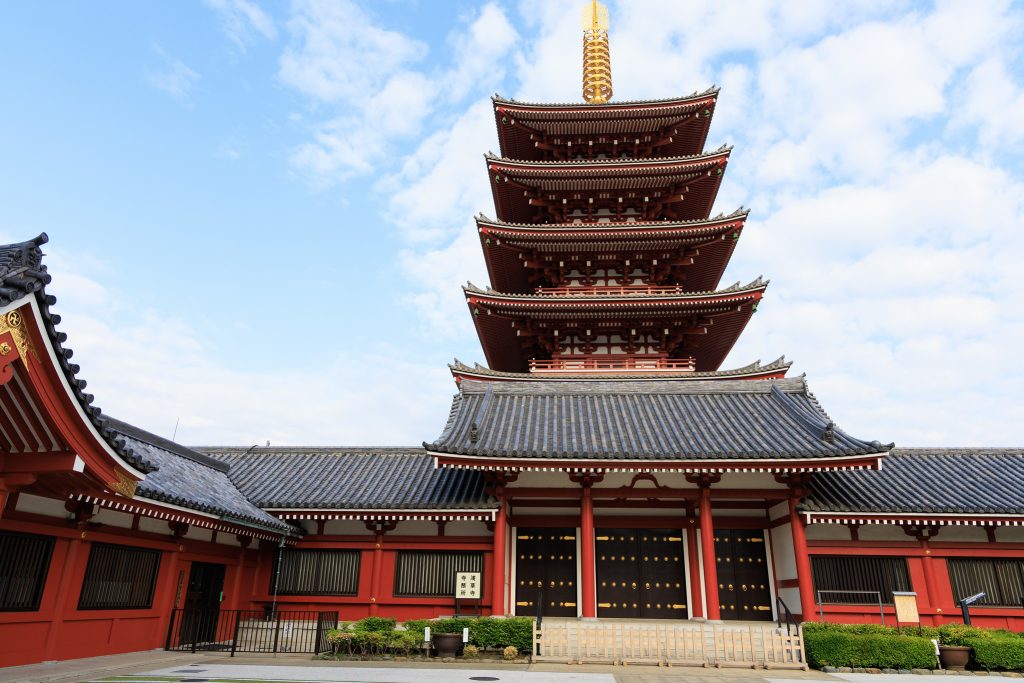
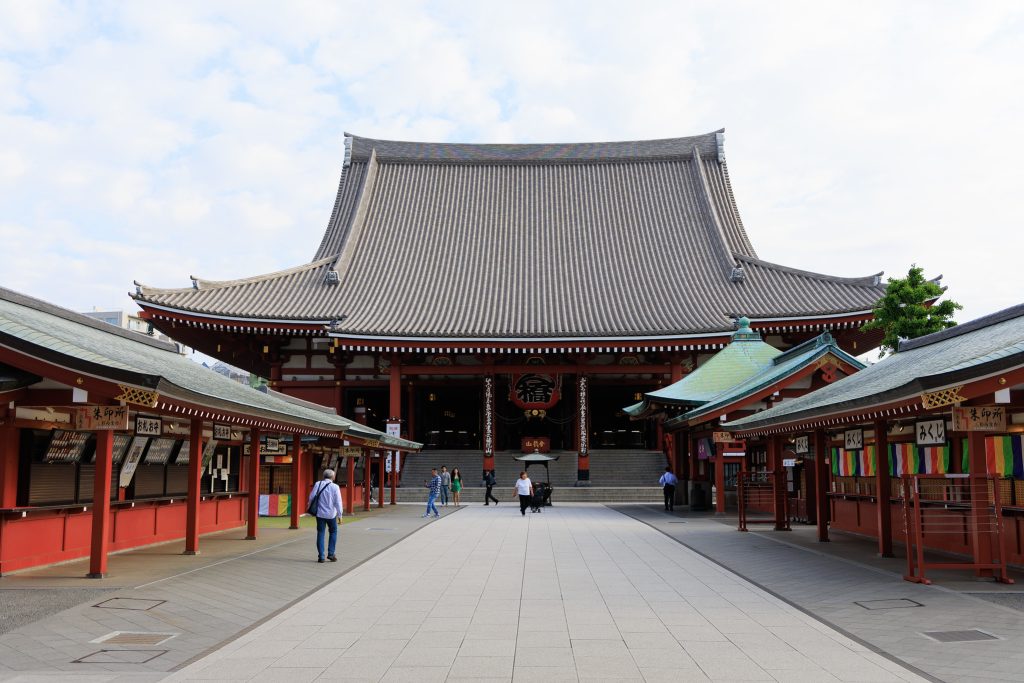
Tokyo Skytree: At 634 metres, it is the tallest tower in the world. Its earthquake resistance engineering, which mimics the central pillar (shinbashira) of traditional pagodas, is a fascinating architectural study.
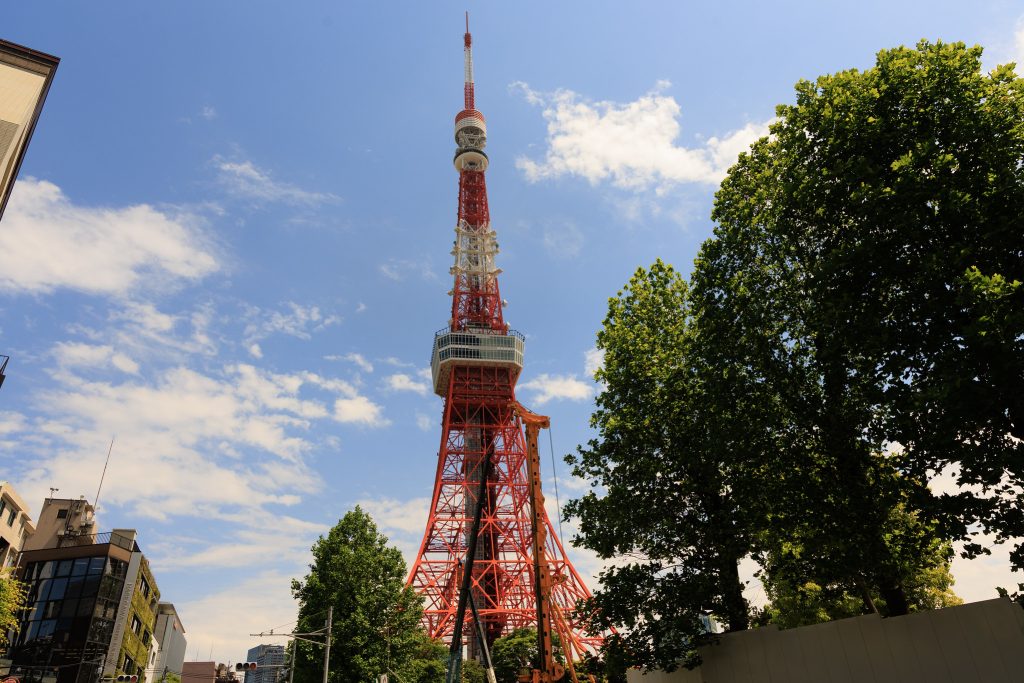
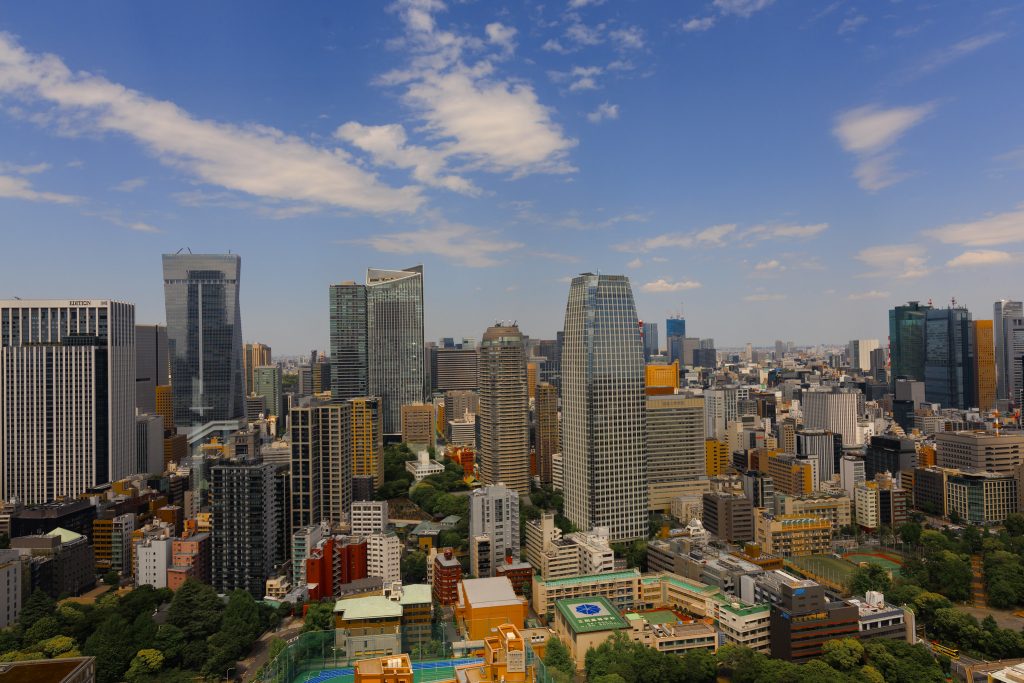
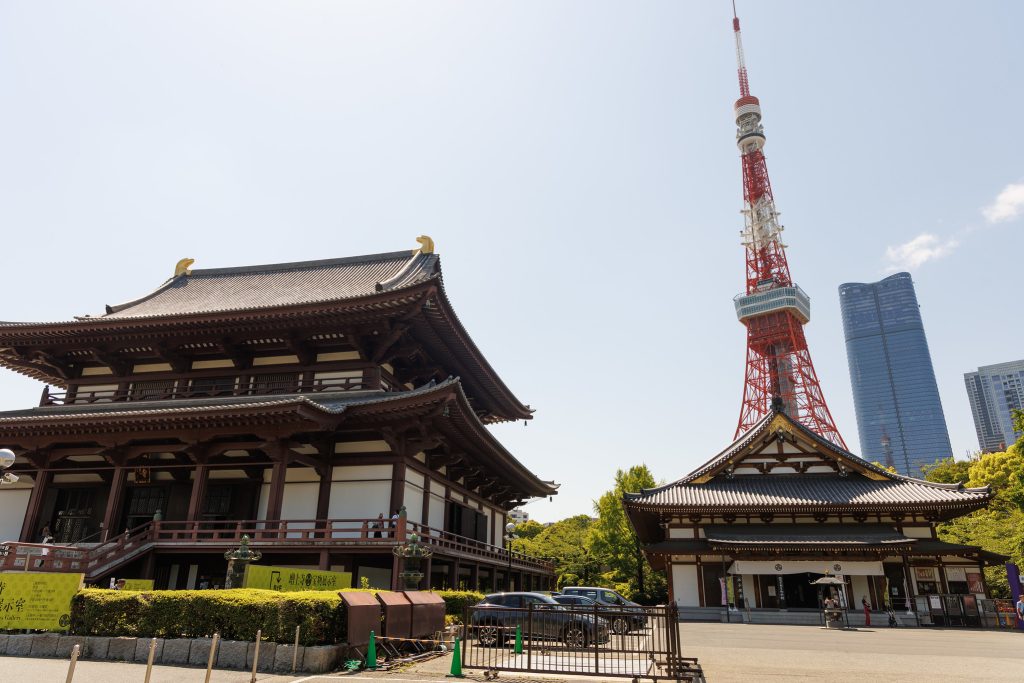
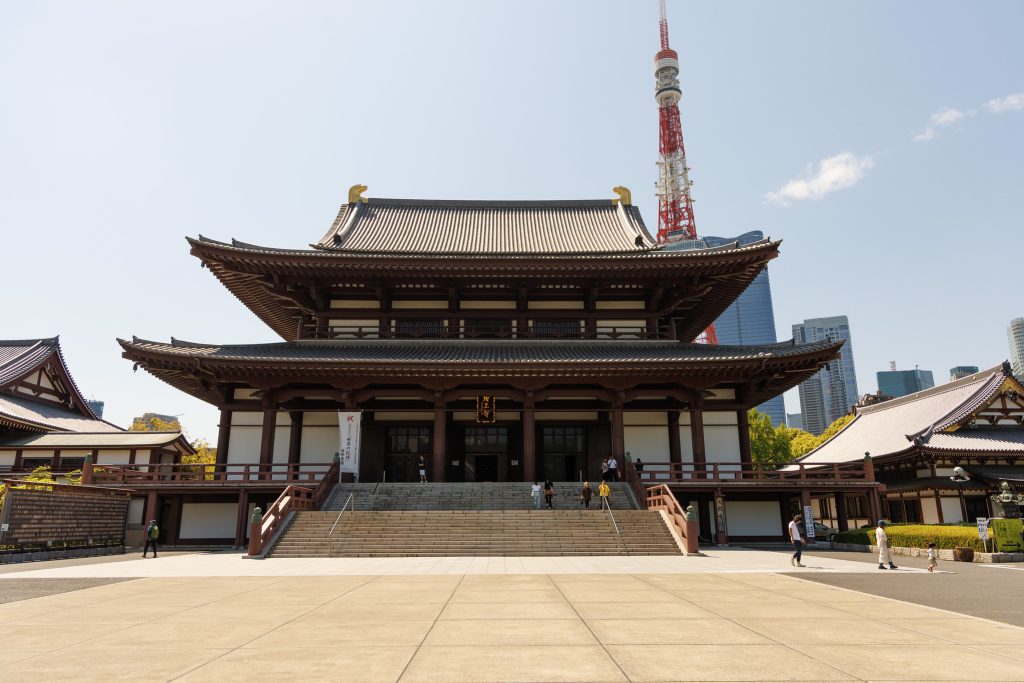
Great Hall (Daiden) of Zōjō-ji Temple (San’en-zan Zōjō-ji), located in the Minato ward of Tokyo, Japan. The red and white lattice structure visible in the background is the Tokyo Tower.
Day 13: Narita
Narita is an hour away from Tokyo and is where the airport is located. If you have a late or early flight, you can stop in Narita and take advantage of what the city has to offer instead of just heading straight to the airport.
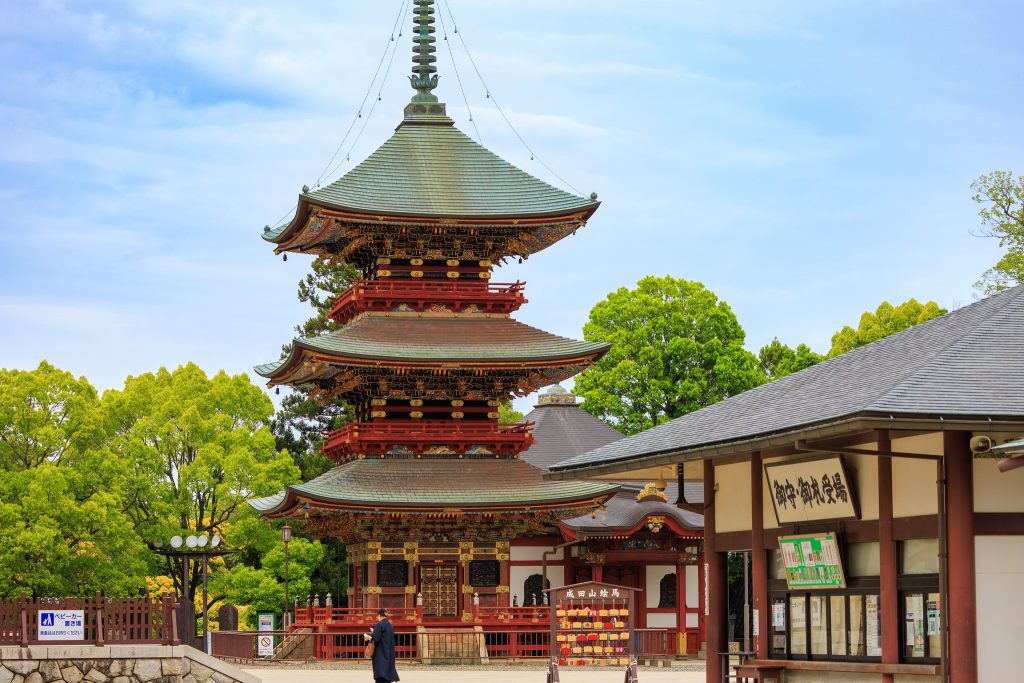
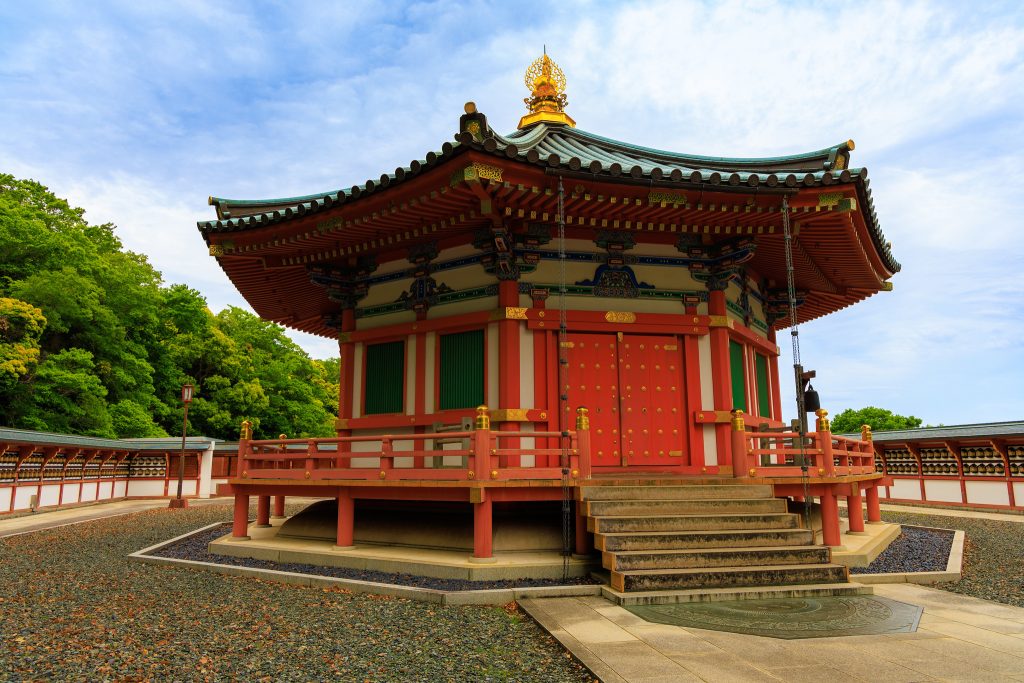
Naritasan Shinshoji Temple: One of Japan’s largest and most popular Buddhist temple complexes, famous for its daily Goma fire rituals performed in honor of Fudo Myoo. It’s a powerful thing to witness before heading home. Naritasan Shinshoji Temple, one of Japan’s largest and most popular Buddhist temple complexes, founded in the year 940.
Final Thoughts
Japan has to be one of the ultimate travel destinations, rich in history, culture, and food. The culture is incomparable to any other country I have visited in the world, creating amazing, unforgettable memories I will cherish and never forget. Japan has an incredible travel network, making it easy to visit different cities across the country. The best advice would be to not confine your itinerary to only exploring Tokyo, as you’ll only get a small glimpse into what makes Japan one of the countries to see and explore.